

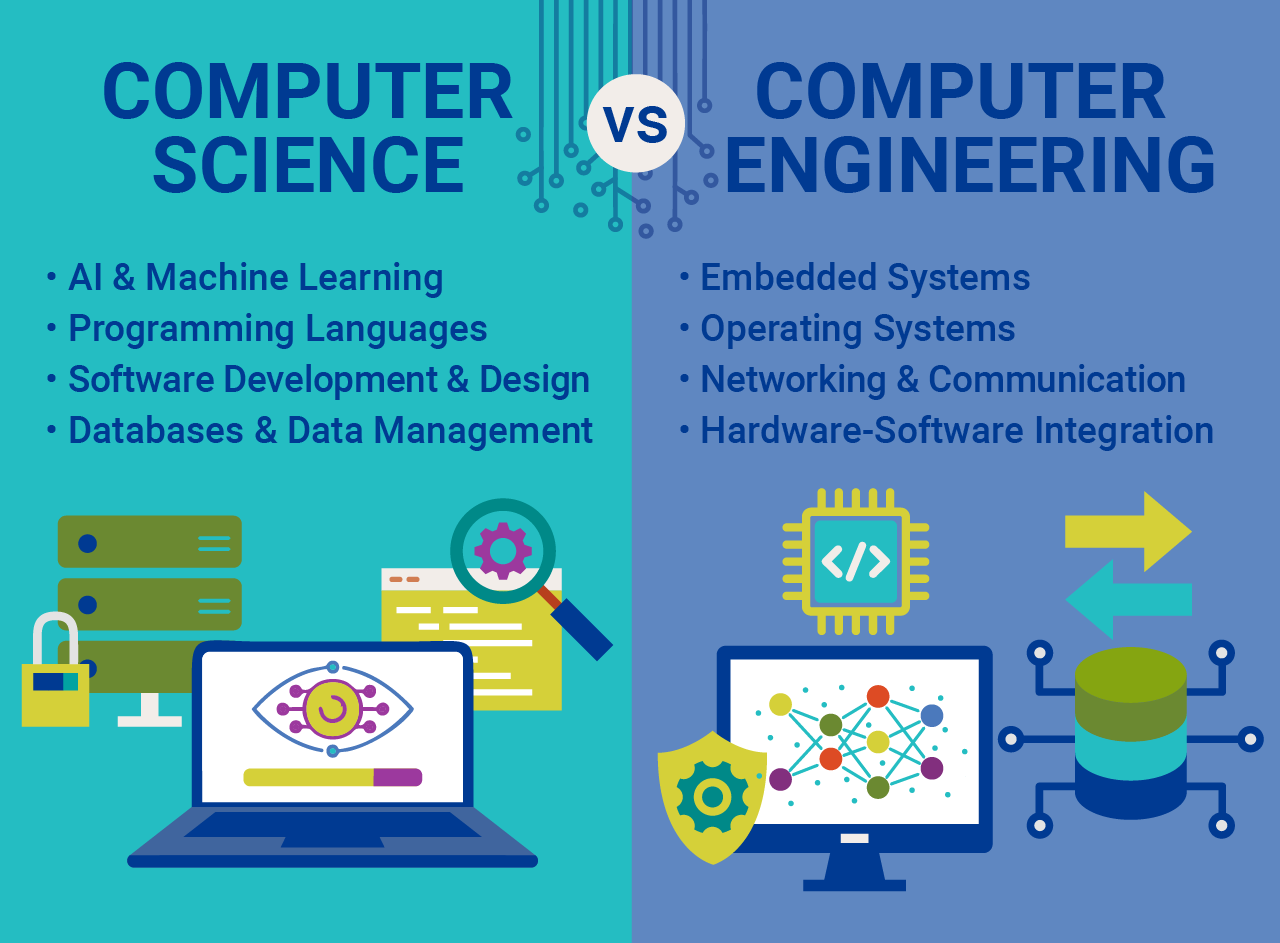
The Senate of Pakistan has officially calibrated the national curriculum for the digital age by passing the Free and Compulsory Education Amendment Bill 2026. This landmark legislation establishes mandatory coding education and computer science as fundamental subjects from elementary through high school. Presided over by Senator Sherry Rehman, the bill represents a strategic shift toward modernizing the nation’s educational framework.
Modernizing the National Curriculum for Global Competitiveness
Lawmakers designed this amendment to the Right to Free and Compulsory Education Act 2012 to integrate digital literacy into the core academic experience. Consequently, students will now gain essential programming skills to compete in an increasingly technology-driven global job market. The legislation took effect immediately following the Senate’s approval on Friday.
In addition to educational reform, the Senate navigated complex legislative hurdles. Federal Health Minister Mustafa Kamal secured the passage of the Pakistan Nursing and Midwifery Council bill after a critical 13-13 tie. The presiding officer cast the deciding vote, ensuring the legislation did not lapse. This legislative precision underscores the government’s focus on structural stability across multiple sectors.
Economic Realities and the Case for Mandatory Coding Education
The Senate recently reviewed data from the Pakistan Labor Force Survey 2024-25, revealing that 5.9 million citizens remain unemployed. With the unemployment rate exceeding 7%, lawmakers emphasized that mandatory coding education acts as a vital catalyst for future job creation. By equipping students with technical proficiency, the state aims to reduce these figures over the next decade.

Furthermore, the upper house addressed infrastructure and university management. Revenue from Pakistan’s motorways reached 71 billion rupees between July 2024 and March 2026, with the M-Tag system accounting for 85% of collections. Meanwhile, the education ministry confirmed that 23 public universities are currently operating without permanent vice-chancellors, though appointments remain a priority.
The Situation Room: The Translation
This policy shift moves beyond basic “computer literacy” into the realm of computational thinking. By mandating coding, the government isn’t just teaching students how to use software; they are teaching them how to build it. This logic transforms the student from a passive consumer of technology into an active architect of digital solutions. It aligns the Pakistani workforce with the high-margin exports of the global software industry.

The Socio-Economic Impact
For the average Pakistani household, this mandate levels the playing field between elite private institutions and public schools. Previously, high-quality STEM education was a luxury; now, it is a legal right. For students in rural or underserved urban areas, these skills provide a direct pathway to remote work and international freelance markets, effectively bypassing local economic stagnation.
The Forward Path: Strategic Opinion
This development represents a significant Momentum Shift. While the legislation is a vital first step, the success of this blueprint depends on the precision of its implementation. The focus must now shift to teacher training and infrastructure deployment. If executed with the same urgency seen in the Senate, this mandate will serve as the structural baseline for Pakistan’s 21st-century economic resurgence.









