
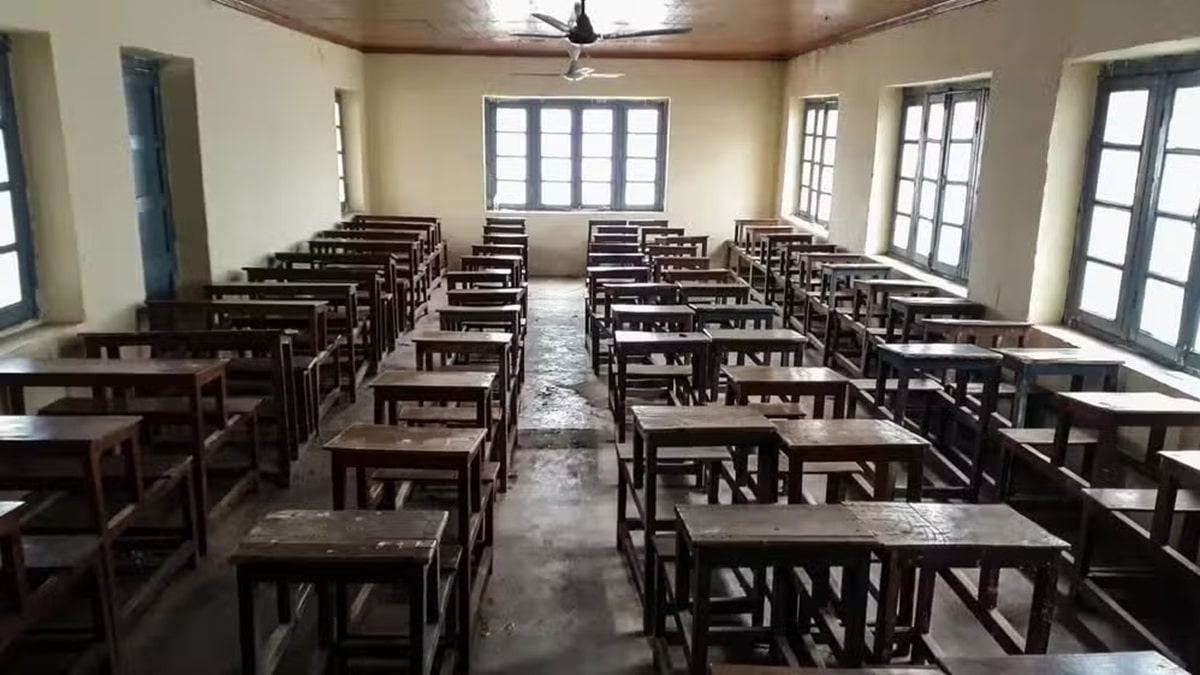
Strengthening Educational Infrastructure: The Punjab School Safety Audit
The structural integrity of our educational infrastructure serves as the baseline for national progress and student security. Consequently, Punjab Chief Minister Maryam Nawaz Sharif has mandated an immediate school safety audit for institutions located in high-density urban zones across the province. This strategic directive follows a catastrophic structural failure at a private school in Lahore, where an unauthorized construction project led to a fatal roof collapse. Authorities must now calibrate existing building codes to prevent future tragedies and ensure the safety of our most vital demographic: our students.
The Translation: Structural Oversight and Compliance
This mandate translates the government’s stance on urban safety from reactive measures to proactive structural oversight. Instead of merely penalizing negligence after an incident, the school safety audit enforces a rigid baseline of construction compliance for all educational buildings. Furthermore, it removes the ambiguity surrounding building permits in densely populated areas. The government is effectively mandating that active learning environments must remain entirely separate from hazardous construction zones.
The Socio-Economic Impact: Protecting the Future Workforce
For the average Pakistani family, this audit provides a critical layer of institutional security. By enforcing a rigorous school safety audit, the provincial government reduces the baseline risk of medical trauma and loss of life within the school system. In the long term, standardized safety protocols increase public trust in both private and public educational facilities. High-quality infrastructure directly correlates with improved student attendance and engagement, particularly in the congested urban centers of Punjab.
The Forward Path: A Shift Toward Precision Governance
This development represents a significant Momentum Shift toward precision-based governance. However, the ultimate success of this catalyst depends on the transparency of the subsequent reports and the enforcement of the promised legal actions. While the audit is a necessary stabilization move, the provincial administration should consider a permanent, tech-enabled monitoring system for building compliance to ensure these standards are maintained indefinitely.








