The global transition to sustainable mobility relies on infrastructure efficiency, and CATL’s new fast-charging battery has just redefined the baseline for the entire industry. By achieving a charging speed that rivals traditional refueling, the Shenxing battery eliminates the primary psychological barrier to electric vehicle adoption. This technological leap signifies a structural shift in how we perceive long-distance travel and urban logistics.
Engineering the 6-Minute Fast-Charging Battery
Contemporary Amperex Technology Co Ltd (CATL) recently unveiled its Shenxing lithium-iron-phosphate (LFP) battery, which powers a vehicle from 10% to 98% in a calibrated 6 minutes and 27 seconds. Furthermore, the unit reaches an 80% charge in less than four minutes. This precision engineering effectively shatters the previous records held by competitors like BYD, establishing a new standard for high-performance energy storage.
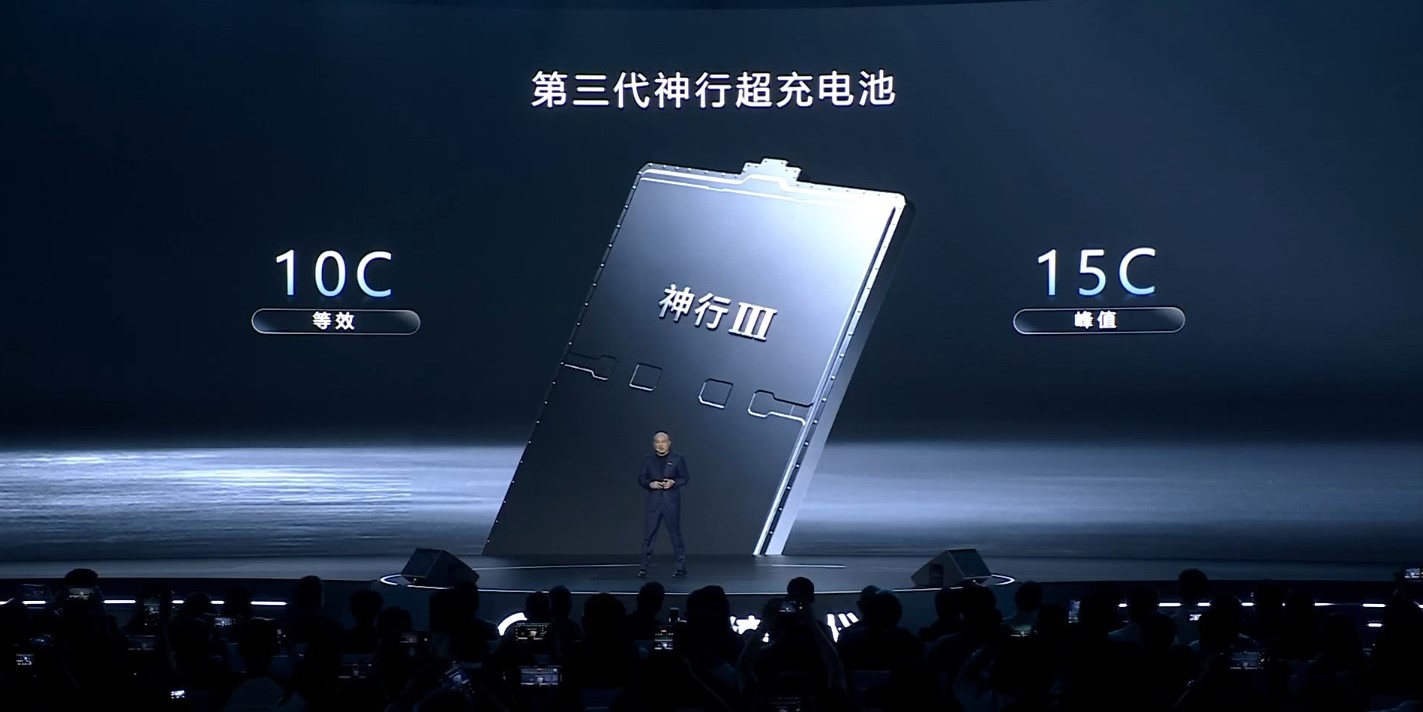
CATL CEO Robin Zeng attributes this breakthrough to a strategic reduction in internal electrical resistance. Specifically, the company lowered the resistance to 0.25 milliohms, the lowest figure recorded for any commercial battery. Consequently, the battery maintains consistent performance even in extreme environments, charging reliably during tests in Arctic conditions as low as -30°C.
The Translation
In the context of battery chemistry, “Internal Resistance” acts like a narrow pipe restricting water flow; by widening this pipe to 0.25 milliohms, CATL allows energy to flood into the cells without overheating. While traditional LFP batteries often struggle in the cold, the Shenxing’s molecular architecture remains fluid in freezing temperatures. This means a fast-charging battery is no longer a seasonal luxury but a year-round utility for global markets.

The Socio-Economic Impact
For the average Pakistani citizen, this innovation represents the eventual democratization of electric mobility. Currently, long charging wait times discourage taxi fleets and logistics companies from switching to EVs. If a delivery driver can recharge in six minutes, their operational uptime matches that of a petrol vehicle while significantly lowering fuel costs. Consequently, this shift will likely stabilize transport inflation and reduce the national reliance on imported fossil fuels.

The Forward Path
This development is a clear Momentum Shift for the green energy sector. By matching the speed of a petrol pump, CATL has moved EVs from a “specialized choice” to a “universal solution.” As this technology scales, we expect a catalyst effect in local infrastructure investment. Pakistan must now prioritize the installation of high-voltage charging stations to harness these rapid charging speeds and secure a foothold in the next generation of transport efficiency.