
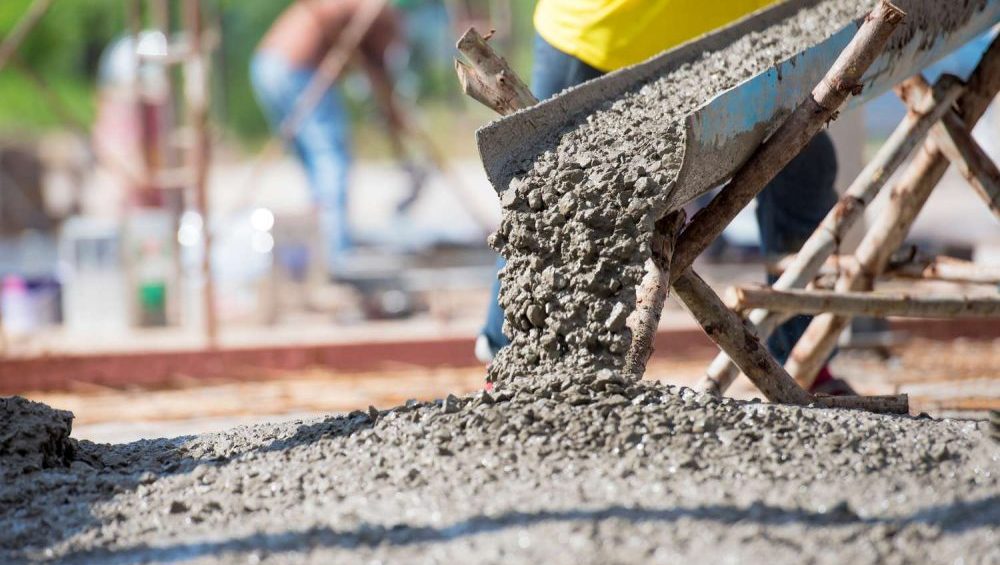
The Special Investment Facilitation Council (SIFC) recently calibrated a massive $700 million injection into the Pakistan cement sector. By resolving structural bottlenecks and long-standing regulatory hurdles, the council cleared the path for seven new manufacturing plants. This strategic move strengthens the industrial baseline and positions the nation for a construction-led economic recovery. Consequently, major industry players are now moving toward rapid project execution.
Strategic Expansion of the Pakistan Cement Sector
The Government of Punjab and SIFC coordinated with stakeholders to fast-track approvals for industry leaders. Notable companies including Lucky Cement Limited, Flying Cement Company Limited, and Maple Cement are now ready to expand their footprints. Furthermore, the list includes Bhutta Cement, Asian Precious Minerals Limited, Orient Cement (Private) Limited, and Dandot Cement Company Limited. This collective expansion signals a significant surge in investor confidence across the industrial landscape.

These new investments will strengthen domestic production and reduce our reliance on expensive imports. Moreover, the increased capacity will enhance the export potential of the Pakistan cement sector. By stimulating allied industries such as logistics, energy, and construction, this development serves as a catalyst for a broader industrial ecosystem.
The Translation: Breaking the Regulatory Logjam
In technical terms, the SIFC utilized a “Single Window” facilitation approach to bypass the bureaucratic friction that historically stalled large-scale capital projects. By aligning provincial and federal regulatory frameworks, they reduced the “time-to-market” for these seven plants. Essentially, the government has transitioned from a passive regulator to an active facilitator, ensuring that $700 million in dormant capital is finally deployed into the physical economy.
The Socio-Economic Impact: What This Means for Pakistanis
For the average Pakistani citizen, this industrial expansion translates directly into localized economic stability. The construction of seven new plants generates thousands of high-skill engineering and manual labor jobs in rural and semi-urban areas. Furthermore, an increased supply of domestic cement can stabilize construction costs for middle-class families dreaming of homeownership. Strategically, the growth of the Pakistan cement sector provides a steady demand for our energy and logistics sectors, creating a ripple effect of prosperity.
The Forward Path: Architect’s Perspective
This development represents a definitive Momentum Shift. While previous years focused on stabilization, this $700 million commitment indicates a pivot toward aggressive industrial growth. To maintain this trajectory, Pakistan must ensure that the energy infrastructure supporting these plants remains efficient and cost-effective. This is not just about building factories; it is about reinforcing the structural foundations of our national economy.








