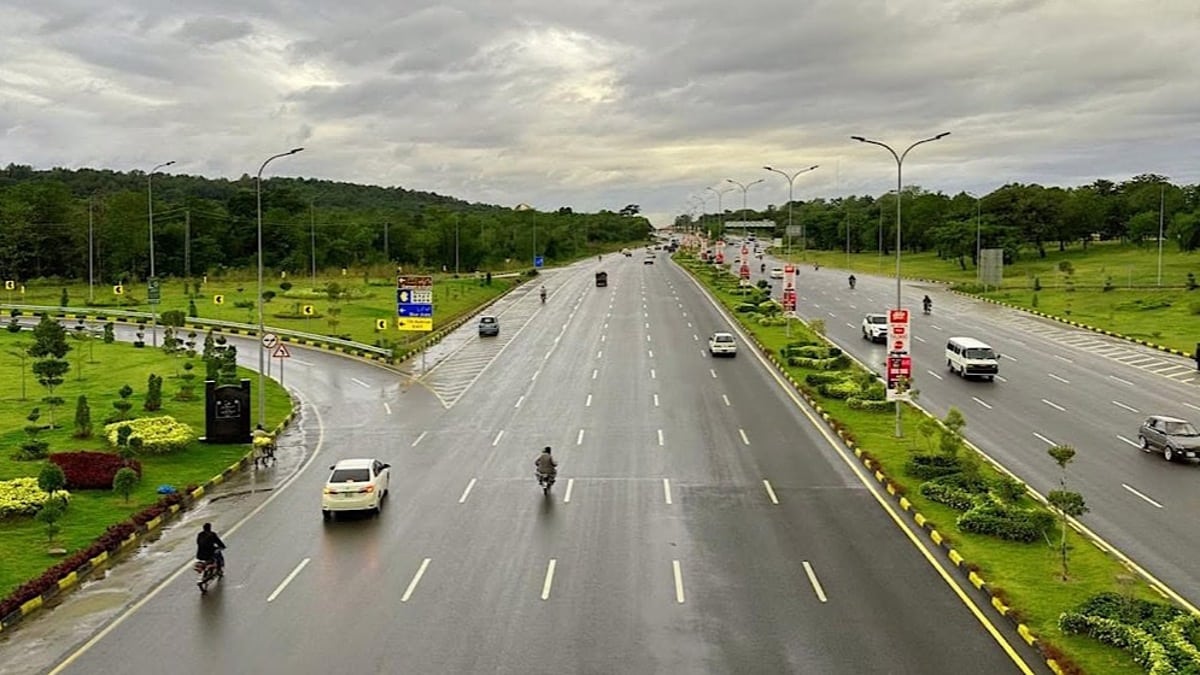
The Capital Development Authority (CDA) recently calibrated its infrastructure budget as intense competitive bidding drove costs down for five major CDA road projects. Construction firms submitted bids ranging from 13% to 25% below initial estimates, potentially saving billions in public funds. This fiscal precision marks a strategic shift in how Islamabad manages its urban expansion and road rehabilitation efforts.
The Translation: Decoding Competitive Bidding
When a bid arrives “below cost,” it signifies that market competition has forced contractors to optimize their logistics and supply chains. For instance, the nine-kilometer Islamabad Expressway service road received a bid 13% lower than the Rs. 6 billion estimate. Consequently, the CDA secures higher value for every rupee spent. The authority intends to maintain this momentum by enforcing the original scope of work without allowing post-bid cost escalations.
Socio-Economic Impact: Accelerating Urban Mobility
Efficiently managed CDA road projects directly catalyze economic mobility for the residents of Islamabad. Reduced congestion on the Srinagar Highway and Murree Road translates to significantly shorter commute times for professionals and students. Furthermore, the development of a commercial corridor along these routes will create new hubs for local businesses. These structural improvements improve the daily lives of urban households by enhancing property values and reducing vehicle maintenance costs.
The Forward Path: A Momentum Shift in Governance
This development represents a definitive Momentum Shift in Pakistan’s infrastructure sector. By leveraging transparent, competitive bidding, the CDA has established a new baseline for fiscal responsibility. The focus must now shift to rigorous oversight to ensure that the lower costs do not compromise material quality. This disciplined approach ensures that national advancement remains both sustainable and economically viable for future generations.