
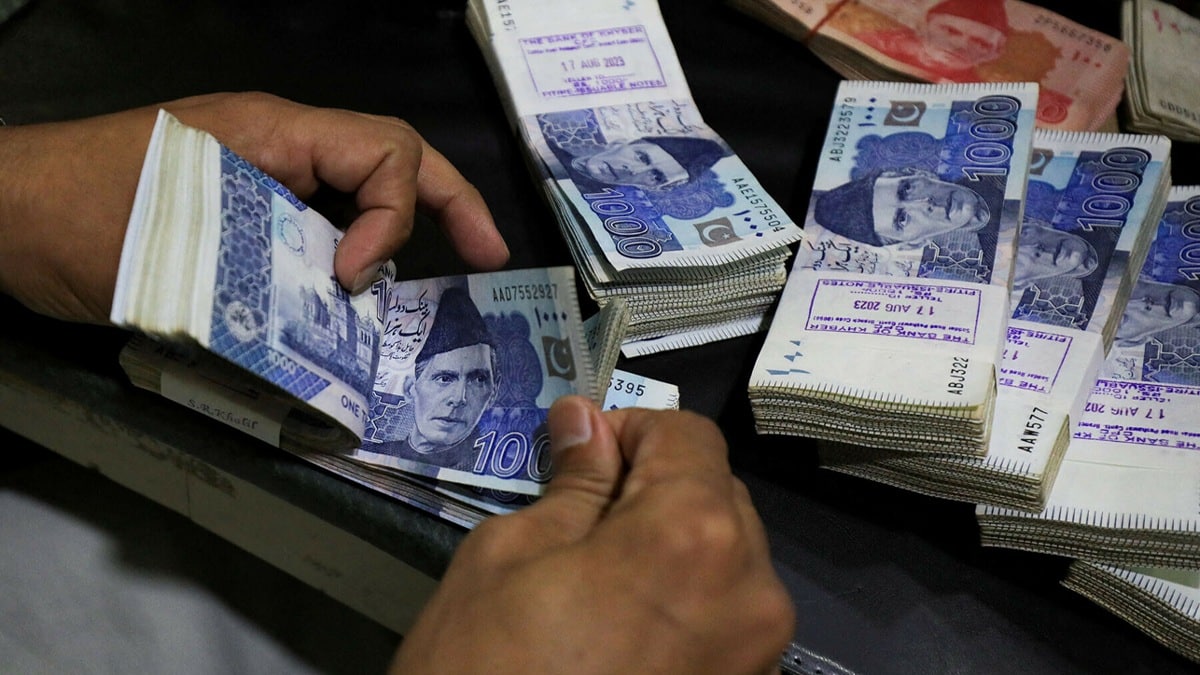
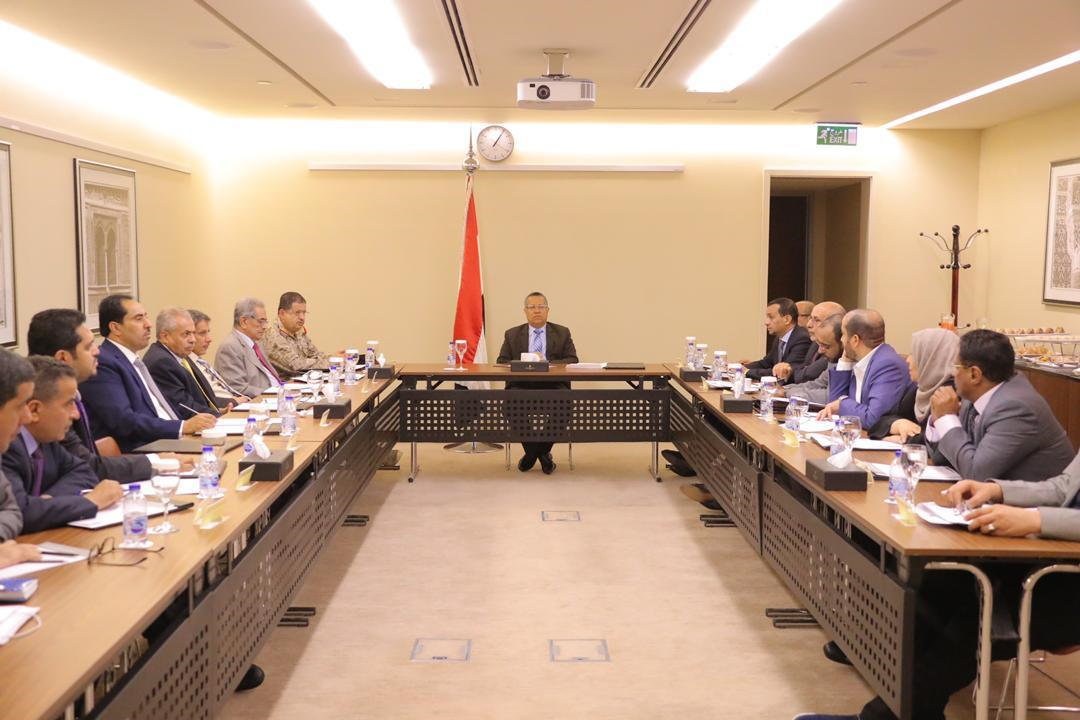
Structural adjustments to civil compensation serve as the vital baseline for maintaining institutional stability within an evolving economic framework. The federal cabinet, led by Prime Minister Shehbaz Sharif, has officially approved a 7% salary increase for government employees as a core component of the 2026-27 federal budget. This strategic decision emerged during a high-level session at Parliament House, where leadership ratified both the budget documents and the Finance Bill for the upcoming fiscal cycle.
The Mechanics of the New Salary Increase
The government designed this fiscal intervention with precision, utilizing a phased implementation strategy. Consequently, employees in Grades 1 to 16 will receive a more significant proportional raise compared to high-ranking officials. This tiered approach ensures that the most vulnerable segments of the public sector workforce receive the necessary support to maintain purchasing power. Furthermore, the Prime Minister emphasized that this third consecutive budget aims to catalyze economic growth despite persistent regional volatility.
The Translation (Clear Context)
The 7% salary increase represents a calibrated response to the stabilization of the national economy. While the headline figure addresses immediate liquidity needs, the logic lies in the reduction of inflation from a peak of 38% down to single digits. By implementing the raise in two distinct phases, the government prevents a sudden liquidity surge that could re-ignite inflationary pressures. This structural pacing demonstrates a shift from emergency financial management to disciplined fiscal planning.
Socio-Economic Impact
How does this change the daily life of a Pakistani citizen? For households dependent on a government payroll, particularly those in rural and semi-urban areas, this increment serves as a buffer against recent price fluctuations in the region. By prioritizing lower-grade employees, the state effectively redistributes fiscal relief to those with the highest marginal propensity to consume. Consequently, this move supports local markets and sustains the domestic demand necessary for broader economic recovery.

The Forward Path (Opinion)
This development represents a Stabilization Move. While a 7% increase is modest in comparison to historical inflation peaks, it signals a transition toward sustainable growth. The government is no longer reacting to a crisis; instead, it is calibrating compensation based on verified single-digit inflation data. For Pakistan to achieve a true momentum shift, future budgets must link such increments to performance-based metrics and digital governance efficiency. However, for now, this move provides the essential stability required to keep the bureaucratic machinery functioning effectively.








