The Strategic Baseline: Why Expanding Education Access Matters
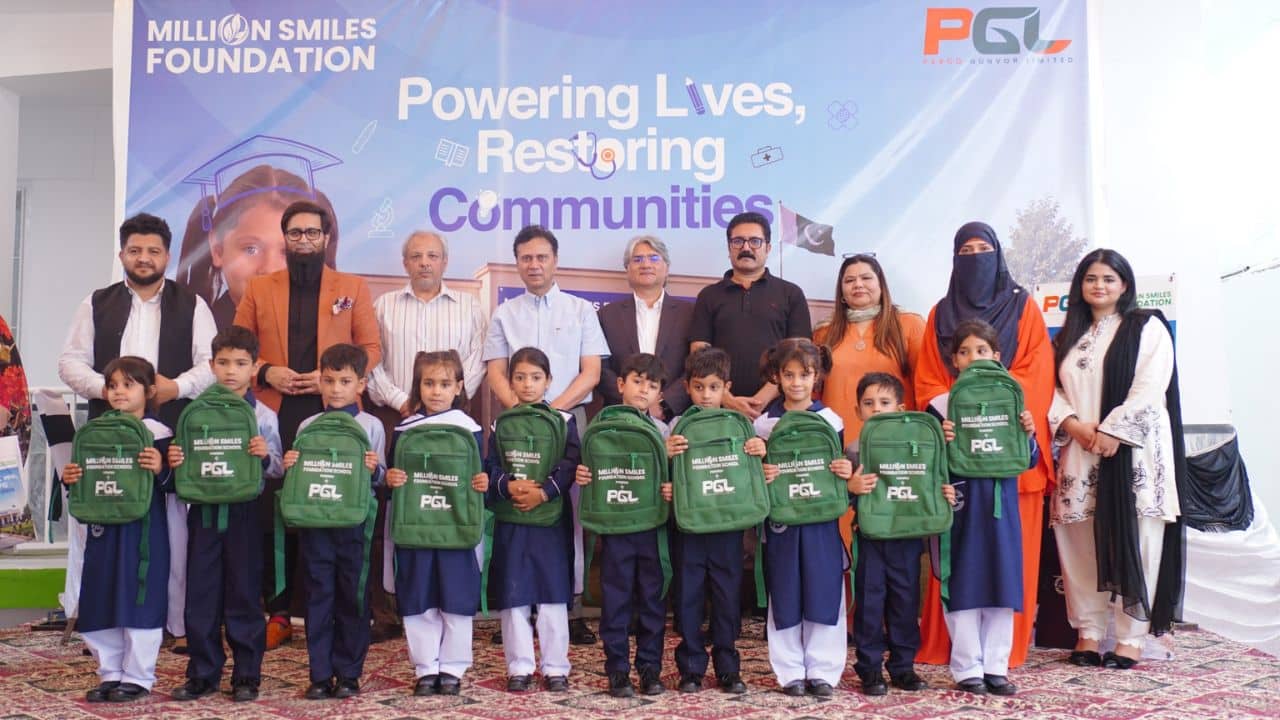
Pakistan’s trajectory toward digital transformation and economic stability depends on a calibrated investment in human capital. Expanding education access serves as the primary baseline for this national advancement. While infrastructure and industry often dominate the national narrative, the Million Smiles Foundation School in Mardan—powered by PARCO Gunvor Limited (PGL)—demonstrates how strategic educational initiatives create a precision-engineered workforce capable of navigating global challenges.
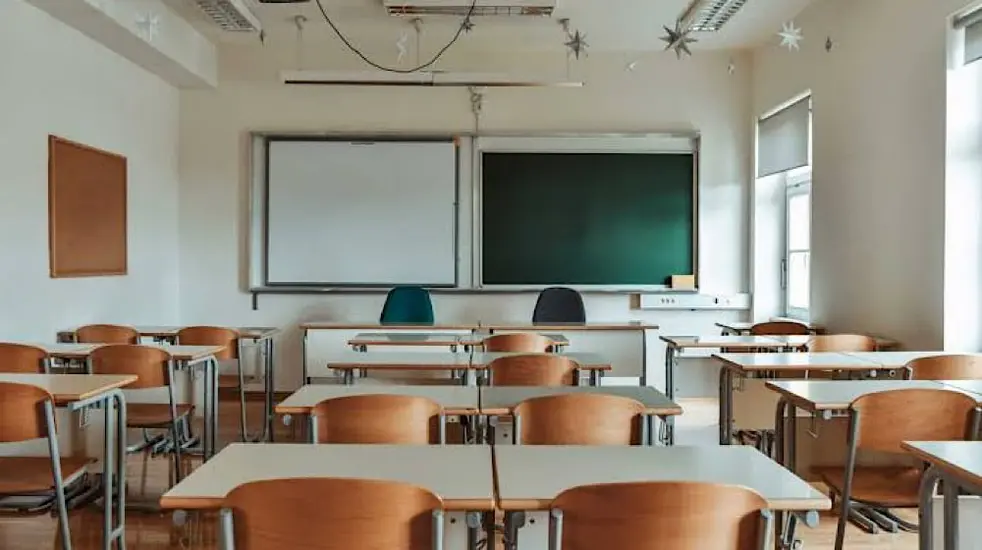
Classrooms function as the ultimate incubators for national innovation. Consequently, every skilled professional or engineer began their journey within a structured learning environment. For communities facing economic hurdles, quality education provides the necessary catalyst for generational mobility and structural change.
Climate Resilience and Educational Continuity
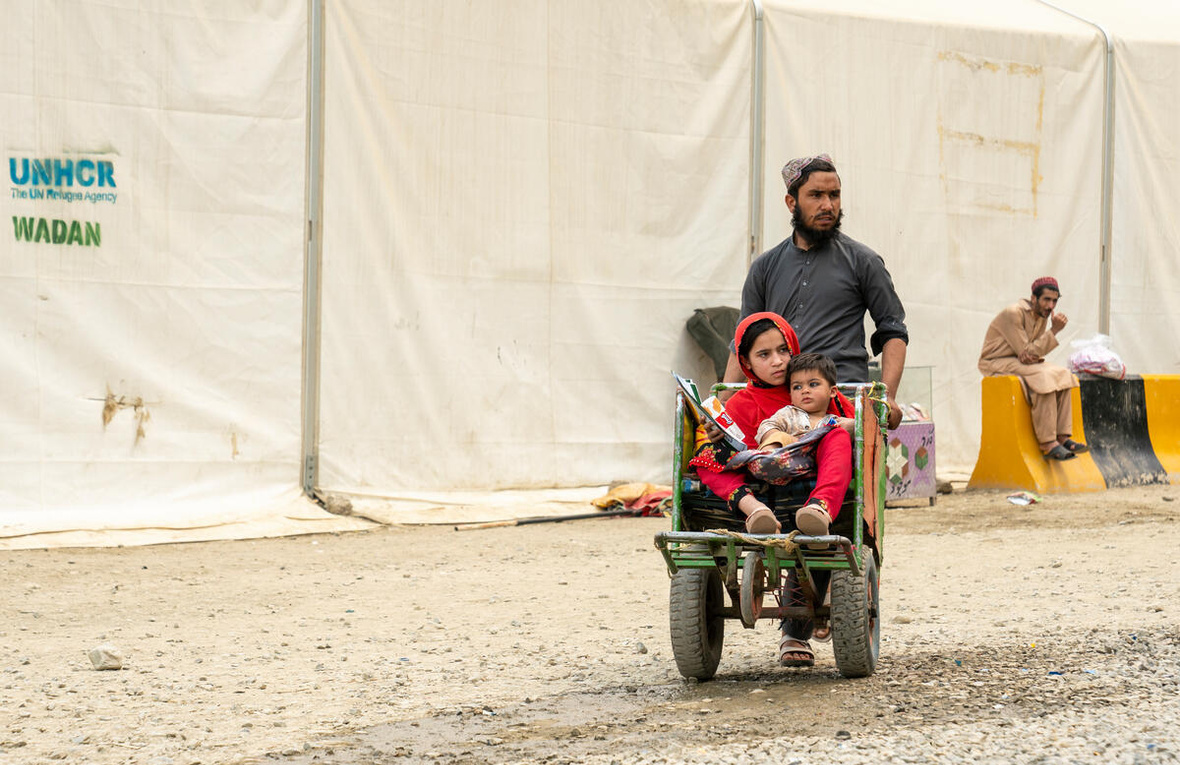
Climate-driven displacement has disrupted educational continuity across several Pakistani regions in recent years. This environmental volatility increases the vulnerability of our youth. Therefore, rebuilding efforts must prioritize the restoration of learning centers to ensure long-term stability. Organizations must recognize that supporting schools is a strategic stabilization move rather than a mere philanthropic gesture.
Expanding Education Access as a Catalyst for Shared Value
For modern enterprises, investing in the education of the next generation reflects a sophisticated understanding of “Shared Value.” Businesses thrive when they operate within capable, prosperous communities. By supporting institutions like the Million Smiles Foundation School, companies like PGL help build a more resilient workforce. This disciplined approach aligns with core corporate values focusing on health, safety, and community care.
- Mentorship: Connecting students with experienced industry professionals.
- Skill Development: Focusing on practical applications and digital literacy.
- Inclusive Environments: Ensuring every child has a safe space to grow.

The Situation Room Analysis
The Translation (Clear Context)
The transition from “Corporate Social Responsibility” (CSR) to “Strategic Human Capital Investment” is critical. In this context, PGL is not simply donating funds; they are engineering a sustainable talent pipeline. By focusing on Mardan, they are decentralizing opportunity and ensuring that regional talent can compete on a global stage. This logic treats education as an economic fuel rather than a social cost.
The Socio-Economic Impact
For the average Pakistani household, this initiative shifts the trajectory from manual labor to skilled, precision-based roles. Students in rural areas gain access to mentors that were previously out of reach. Consequently, this reduces the urban-rural divide and boosts the domestic economy by increasing the baseline of household income and digital literacy.
The Forward Path (Opinion)
This development represents a Momentum Shift. Moving beyond basic literacy and into specialized mentoring and skill development is the exact calibration Pakistan needs. For this progress to scale, more private sector entities must adopt this “Shared Value” model, turning localized educational success into a national standard for progress.