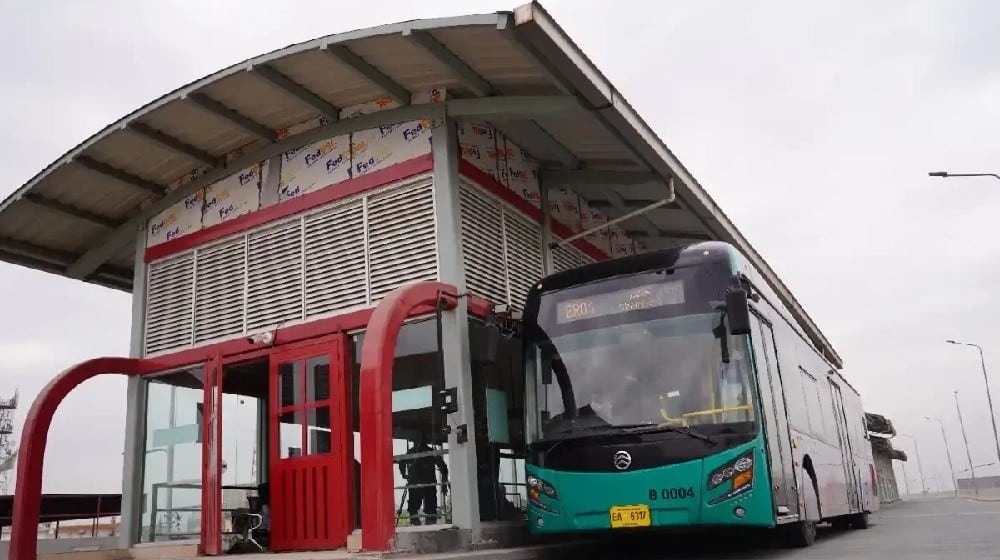
The Trans Peshawar Board of Directors recently sanctioned a massive Peshawar BRT expansion to streamline urban mobility. This strategic move introduces new feeder routes on Ring Road, Dilzak Road, and Khyber Road. Consequently, the administration aims to reduce commuter waiting times by deploying additional buses along the primary Bus Rapid Transit corridor. This decision highlights a precision-based approach to managing the city’s growing transit demand.
Strategic Impact of the Peshawar BRT Expansion
During the 46th Board meeting, chaired by Additional Chief Secretary Islam Zeb, officials calibrated the system for higher efficiency. The Board approved the acquisition of 52 electric and 50 hybrid buses. These 102 new units will serve as a catalyst for environmental sustainability by lowering carbon emissions across the city. Moreover, the system recently earned ISO 9001-2015 certification, reflecting a high-standard quality management system.
Economic Stability and Public Welfare
Despite volatile global fuel prices, the Board maintained a strict baseline for public affordability. They decided against increasing passenger fares to protect the interests of daily commuters. Additionally, the management received instructions to expedite the procurement of these new units. This directive ensures that safety and quality norms remain the priority during this rapid scaling phase.
The Situation Room Analysis
The Translation: Clear Context
The transition from a linear corridor to a capillary-style network defines this expansion. By integrating “feeder routes,” Trans Peshawar is essentially creating a logistical web that connects peripheral neighborhoods directly to the main transit spine. This architectural shift ensures that the BRT system functions as a comprehensive urban artery rather than a singular route.
The Socio-Economic Impact
This development significantly benefits the daily lives of students and professionals in Peshawar. Shorter waiting intervals and expanded route access directly translate to increased productivity and reduced household transport expenses. Furthermore, the introduction of 102 green buses serves as a structural baseline for cleaner air, impacting the long-term health of urban residents.
The Forward Path: Opinion
We categorize this development as a Momentum Shift. While many transit systems stagnate under economic pressure, Peshawar’s decision to expand its fleet with sustainable technology while freezing fares demonstrates a disciplined, forward-thinking strategy. It is a precise move toward national system efficiency.