

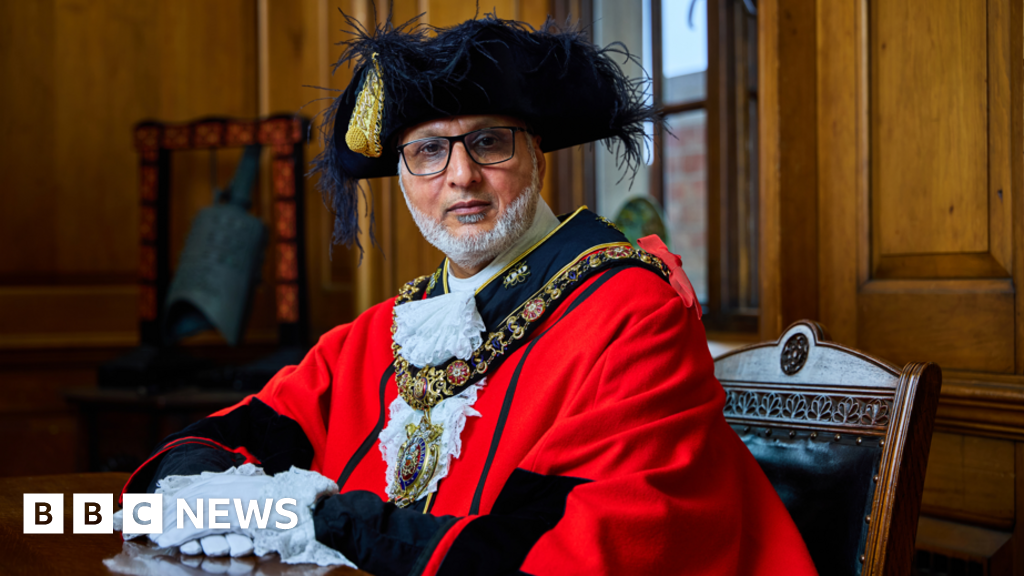
The structural evolution of a city depends on leaders who have navigated its baseline realities. The appointment of Shaukat Ali as the 128th Mayor of Manchester signifies a strategic shift in civic representation, proving that precision in local governance stems from diverse, lived experiences. Ali, who migrated from Batli, Azad Kashmir, at age 16, has calibrated his career through decades of labor, education, and community service.
Ali’s trajectory within the United Kingdom began in textile manufacturing. Consequently, he expanded his professional footprint by operating a furniture business and a food outlet. Most notably, he spent several years as a licensed taxi driver while simultaneously studying English during evening sessions. This disciplined pursuit of self-improvement served as the catalyst for his eventual entry into the political sphere.
The Translation: From Laborer to Civic Architect
In the context of “Next Gen” clarity, Shaukat Ali’s ascent is more than a personal milestone; it is a case study in socio-political mobility. He transitioned from frontline service roles to earning an IT diploma from City College Manchester. This educational pivot allowed him to engage with the city’s administrative machinery with technical precision. Since his election as a councilor in 2012, Ali has influenced critical sectors including planning, highways, and neighborhood services. His role as the Mayor of Manchester now empowers him to oversee the city’s social cohesion and diverse cultural identity.
The Socio-Economic Impact: Empowering the Diaspora
How does this development change the daily life of a Pakistani citizen or professional? Specifically, Ali’s appointment validates the “success blueprint” for the global Pakistani diaspora. For students and professionals in urban centers like Lahore or Karachi, his journey demonstrates that structural barriers can be dismantled through strategic integration and persistent skill acquisition. Furthermore, his focus on children in social care and community cohesion directly addresses the systemic welfare of Manchester’s residents, including the significant Pakistani-origin population. This representation ensures that the specific needs of diverse households are prioritized within the city’s legislative framework.
The Forward Path: A Momentum Shift
We categorize this development as a significant Momentum Shift. The Mayor of Manchester represents more than a ceremonial figurehead; Ali is a symbol of the “Next Generation” leader who bridges the gap between the working class and the ruling elite. His commitment to social care and community stability provides a calibrated approach to urban governance. By leveraging his unique baseline experience, Ali is positioned to drive Manchester toward a more equitable and efficient future. This is progress in its most tangible form.








