

Strategic Leadership for Biohybrid Brain Sensor Integration
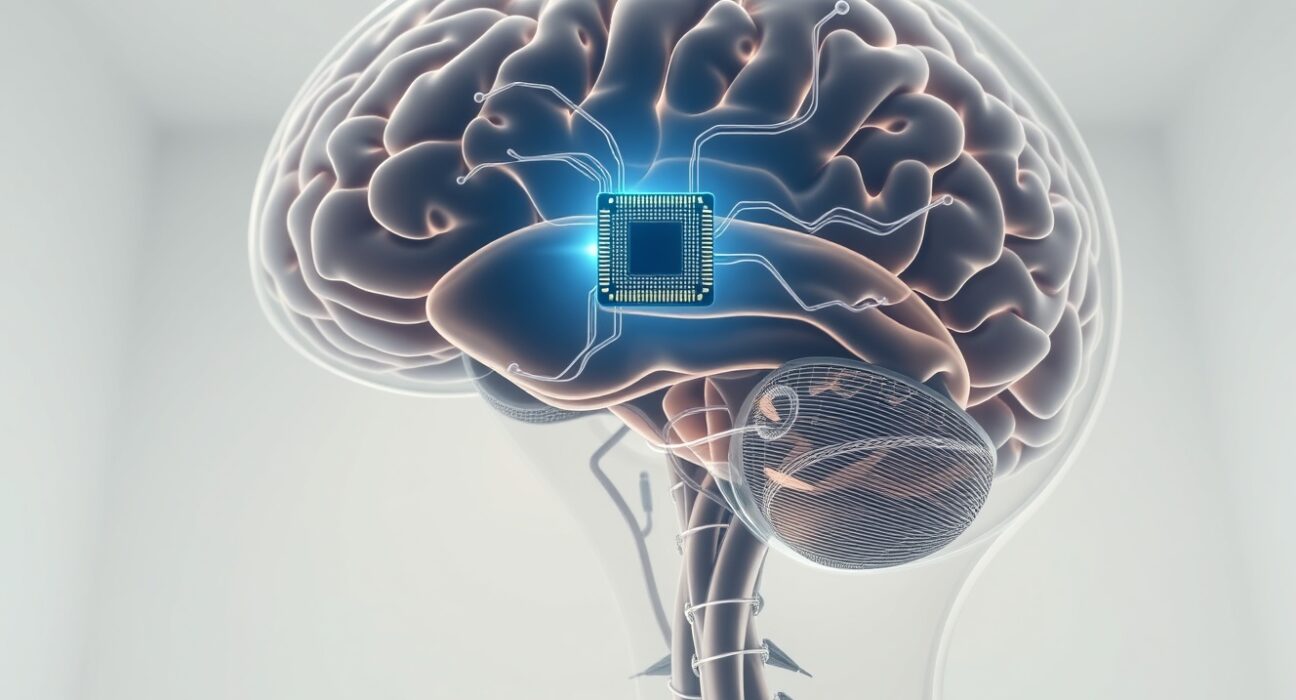
A monumental stride in medical technology is underway as Science Corporation, led by former Neuralink president Max Hodak, prepares to initiate its first human trials in the United States. This pioneering effort involves a biohybrid brain sensor, engineered to forge a direct communication link between the human brain and computers. Consequently, this structural innovation moves beyond traditional electronic implants, prioritizing biological integration to mitigate long-term tissue damage, thereby establishing a new baseline for neural interface safety and efficacy.
Science Corporation: A Catalyst for Neuro-Technological Advancement
A critical reinforcement to Science Corporation’s mission, Dr. Murat Günel, the esteemed chair of neurosurgery at Yale School of Medicine, has officially joined the company as a scientific adviser. His expertise, cultivated over two years of intensive discussions, is now strategically deployed to lead the inaugural human implantation of the firm’s advanced biohybrid brain sensor. Furthermore, this long-term objective is meticulously calibrated to develop an interface that harmonizes lab-grown neurons with electronic components, establishing a direct communication link between the brain and digital systems.
Redefining Brain-Computer Interface: Beyond Conventional Implants
Established in 2021, Science Corporation has rapidly ascended, culminating in a recent Series C funding round that secured $230 million, propelling its valuation to $1.5 billion. Significantly, its most advanced product, PRIMA, exemplifies its commitment to impactful solutions. This vision restoration device, designed for individuals with macular degeneration and related conditions, was acquired in 2024. Subsequently, the company has diligently advanced PRIMA through rigorous clinical trials, with strategic plans for expanded availability in Europe following regulatory endorsement.
Precision Engineering: The Biohybrid Sensor’s Development Trajectory
Traditional brain-computer interface systems, notably those developed by Neuralink, rely on electronic sensors directly implanted into delicate brain tissue. While these devices have demonstrably empowered patients with conditions like ALS and spinal injuries to control computers through thought, Hodak and his specialized team postulate that conventional metal probes may induce long-term neural tissue degradation. Therefore, this critical concern has catalyzed their pivot towards a biologically informed approach. Their proposed system strategically integrates lab-grown neurons with microelectronics, forming an organic bridge between biological and electronic infrastructures for a next-gen biohybrid brain sensor.
Structural Integrity: Science Corp’s Human Trial Protocol
The sophisticated biohybrid sensor is undergoing meticulous development under the direction of Chief Science Officer Alan Mardinly, supported by a dedicated team of approximately 30 researchers. A seminal working paper, released in 2024, conclusively demonstrated the device’s safe implantation in mice, along with its capability to precisely stimulate brain activity. Currently, the company’s focus is acutely directed towards refining prototype designs and developing robust methodologies for culturing neuron cells suitable for advanced medical applications. This systematic approach ensures a solid foundation for human integration.
Calibrated Approach to Human Trials
The initial phase of human trials will rigorously evaluate an advanced iteration of the sensor, albeit without embedded neurons. This precision device incorporates 520 recording electrodes within an area roughly equivalent to a pea. Distinctively, unlike Neuralink’s implants, this pioneering biohybrid brain sensor is strategically located on the brain’s surface, directly beneath the skull. This architectural design fundamentally reduces inherent risks, leading the company to indicate it does not currently seek FDA approval for these preliminary trials. Consequently, trials are anticipated to involve patients already undergoing significant neurosurgery, such as stroke patients requiring cranial intervention. In these precise scenarios, the sensor can be calibrated onto the cortex, enabling a direct assessment of its safety parameters and performance metrics.
The Translation: Deconstructing Biohybrid Neural Interfaces
This initiative represents a pivotal shift from invasive, purely electronic brain implants to a more harmonized, biohybrid solution. Essentially, Science Corporation is engineering a system where lab-grown brain cells work in concert with micro-electronics, creating a ‘smart’ bridge. The key distinction lies in placement: instead of inserting electrodes into the brain, this sensor sits on top of it, beneath the skull. This design principle significantly reduces the risk of tissue damage and inflammatory responses, which are common concerns with traditional, deeply embedded implants. The logic is simple yet profound: by leveraging the body’s natural cellular architecture, the interface aims for greater long-term compatibility and reduced complications, paving a safer path for direct brain-computer interaction. It’s about designing with the biological system, not just implanting into it.
Socio-Economic Impact: Transforming Pakistani Lives Through Neural Innovation
For a Pakistani citizen, especially those grappling with severe neurological conditions, the advent of this biohybrid brain sensor signals a monumental leap in potential quality of life. Consider students or professionals impaired by spinal injuries or ALS; this technology offers a tangible pathway to regained autonomy, enabling them to control digital devices through thought. Rural communities, often underserved by advanced medical care, could eventually benefit from diagnostic tools that provide early warnings for seizures or monitor brain activity in tumor patients, potentially mitigating severe health crises. This innovation promises to shift the paradigm from mere symptom management to active neurological restoration and enhanced functional independence, fostering greater participation in education and economic activities across urban and rural landscapes. It’s a structural upgrade to human capability.
The Forward Path: A Momentum Shift in Neural Engineering
This development undeniably represents a Momentum Shift in neural engineering, particularly for the adoption of the biohybrid brain sensor concept. While the timeline, as indicated by Dr. Günel for 2027, suggests a deliberate pace, this precision is crucial. The structural shift away from deep brain penetration towards surface-level interaction significantly enhances safety protocols, thereby expanding the potential patient pool and reducing long-term risks. This is not merely an incremental improvement; it is a foundational re-evaluation of how technology should interface with human biology, positioning Science Corporation as a crucial catalyst for future advancements in neurological health. It’s a calibrated acceleration of progress.

Broadening Horizons: Potential Medical Applications of Biohybrid Brain Sensors
Should these trials prove successful, this transformative technology holds substantial promise for a diverse array of neurological treatments. An initial application could involve the precise delivery of gentle electrical stimulation to damaged brain or spinal cord cells, strategically promoting cellular recovery. Furthermore, more advanced implementations may encompass continuous monitoring of brain activity in patients with tumors, providing calibrated early warnings for seizure onset. Crucially, the system could also unlock novel therapeutic avenues for conditions such as Parkinson’s disease, where existing treatments primarily focus on symptom management rather than halting disease progression. This innovation offers a structural pathway towards proactive neurological health.
Calibrated Trajectories: The Biohybrid Trial Timeline
Dr. Günel pragmatically advises that anticipating human trials to commence in 2027 would be an optimistic projection. This assessment underscores the ongoing necessity for extensive developmental refinement and critical regulatory discussions. Consequently, the meticulous pace reflects a commitment to precision and safety, ensuring all foundational parameters are robustly established before clinical deployment. It is a strategic delay for long-term systemic stability.








