
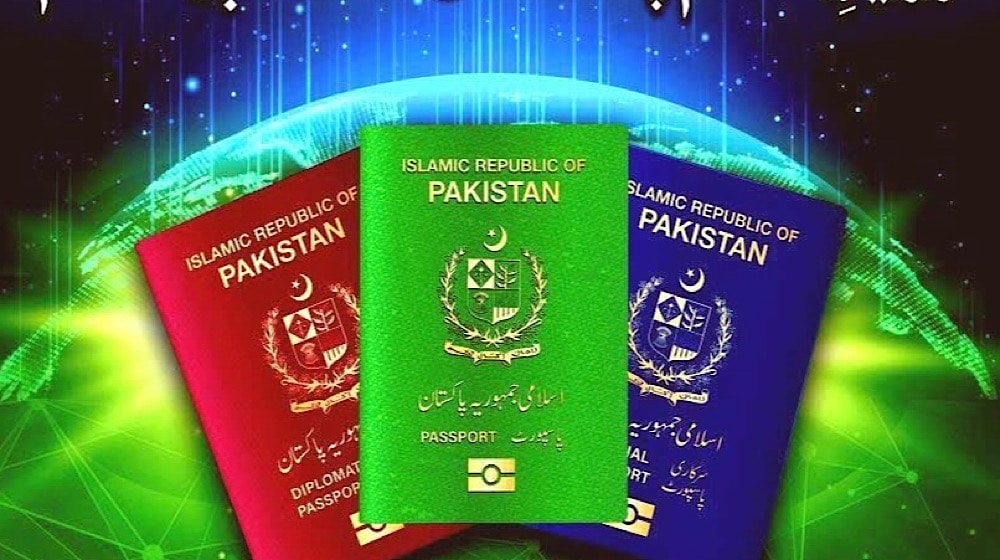
The integrity of a nation’s administrative framework relies on the calibrated alignment between legislative privilege and the socio-economic reality of its citizens. A recent Blue Passport Proposal in the Senate of Pakistan has ignited a critical debate regarding systemic equity. Senator Abdul Qadir introduced a bill to extend official blue passport eligibility to the children of senators up to the age of 28. This move occurs precisely as the public grapples with surging inflation and unprecedented energy costs.
The Structural Mechanics of the Blue Passport Proposal
Senator Abdul Qadir tabled the proposed amendment to the Passports Act 1974 during a private members’ day session. The legislation aims to grant official travel documents to lawmakers’ children under conditions currently reserved for Grade-22 civil servants. Furthermore, Qadir argued that the amendment imposes no additional financial burden on the national exchequer. He specifically highlighted a perceived flaw in Senate rules that denies these privileges to senators serving less than a full six-year term.
In contrast, the Interior Ministry maintains a disciplined opposition to the move. Minister of State for Interior Talal Chaudhry asserted that current laws do not permit such extensions for parliamentarians’ dependents. Despite this friction, Senate Chairman Yousaf Raza Gilani referred the bill to the relevant committee after a majority vote favored further deliberation.
Economic Dissonance and Public Backlash

While the Senate debated travel privileges, opposition leaders focused on the “economic oppression” facing the Pakistani household. PTI Senate Parliamentary Leader Syed Ali Zafar described the recent fuel price hike as a “petrol bomb” dropped on the public. He accused the government of exceeding petroleum levy limits agreed upon with the IMF, thereby squeezing the baseline survival of ordinary citizens.
The strategic disconnect remains a primary concern for observers. Zafar noted that while international crude prices have declined, Pakistan’s domestic rates remain significantly higher than those in India or Bangladesh. Consequently, the push for the Blue Passport Proposal is seen by many as a tone-deaf pursuit of elite status during a period of severe national austerity.
The Translation: Contextualizing the Passports Act
The “Next Gen” clarity on this issue is simple: The official blue passport is a tool for diplomatic and official state business. By attempting to extend this to adult children up to age 28, the proposal redefines “dependency” to include fully-grown adults. This shift moves the document from a functional necessity for state service to a generational perk for the political class.
The Socio-Economic Impact: Life in Pakistan
How does this change the daily life of a Pakistani citizen? Directly, it doesn’t; however, the symbolic impact is profound. For a student in Lahore or a professional in Karachi, the contrast between the government’s demand for “sacrifice” and the Senate’s pursuit of “privilege” erodes social trust. High energy costs already reduce export competitiveness, as noted by Senator Aamir Waliuddin Chishti. When the ruling elite prioritizes travel ease over structural tax reform, the economic catalyst for growth remains stalled.
The Forward Path: Our Expert Opinion
This development represents a Stabilization Move for the political elite but a regression for national meritocracy. For Pakistan to move beyond IMF dependence, the leadership must calibrate its privileges to match the precision of the sacrifices it asks of the public. Expanding the Blue Passport Proposal at this juncture is a strategic misstep that prioritizes individual convenience over collective national advancement.








