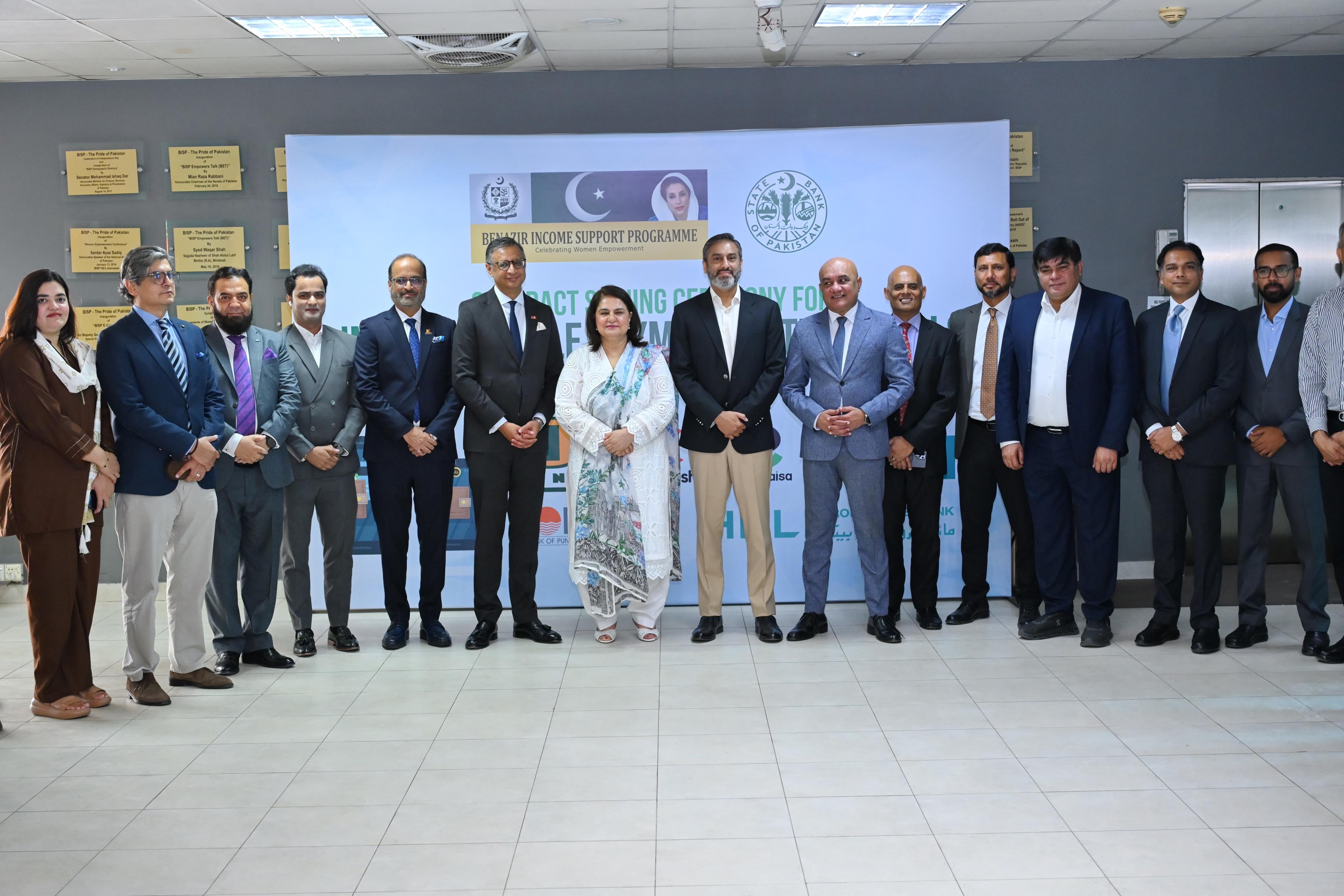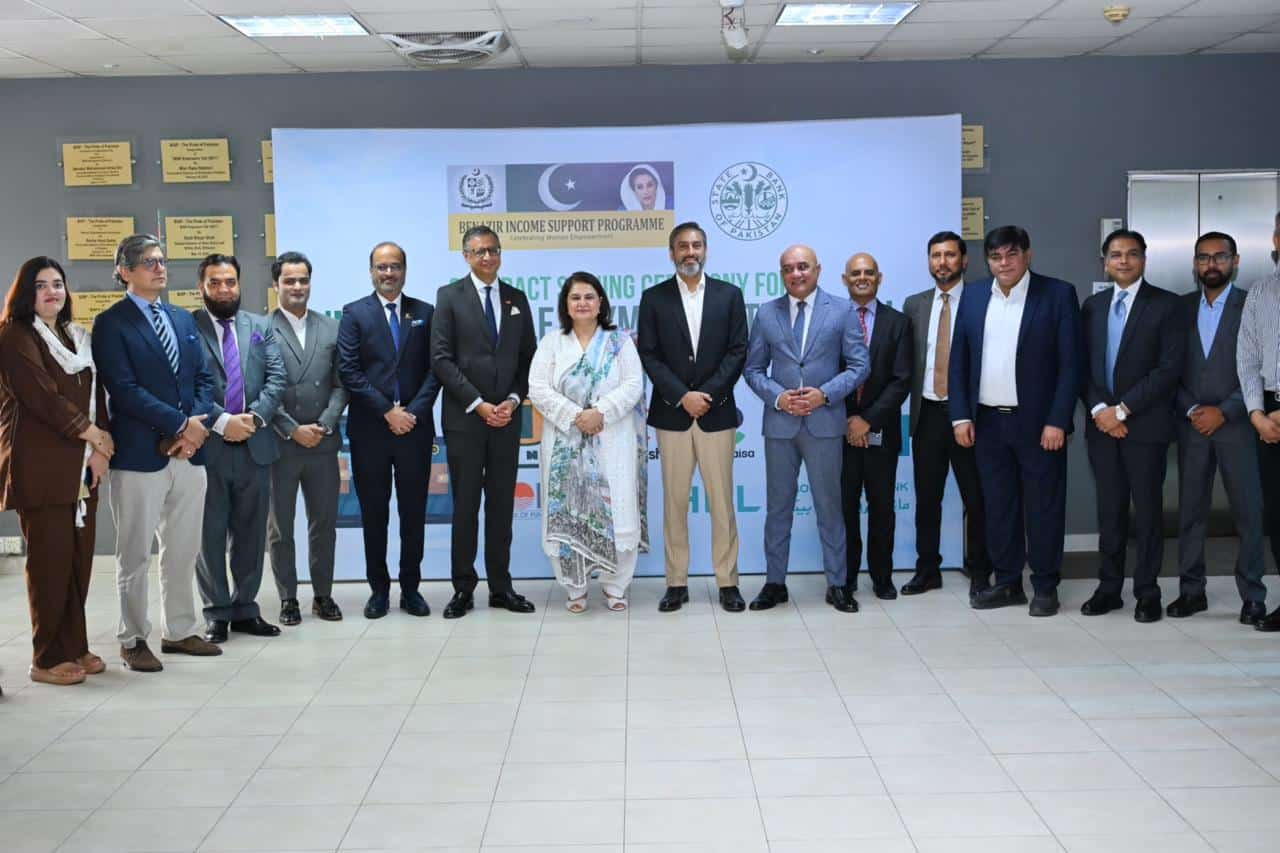
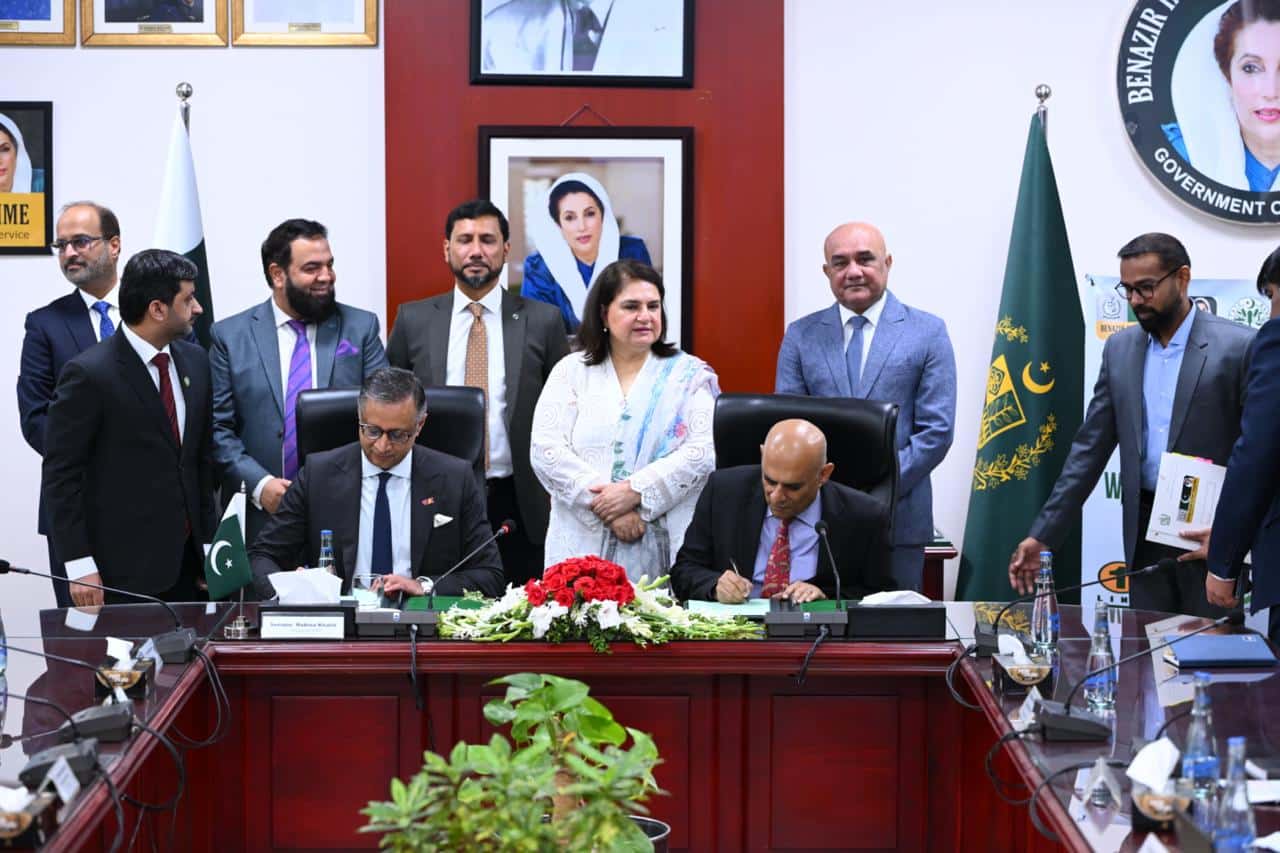
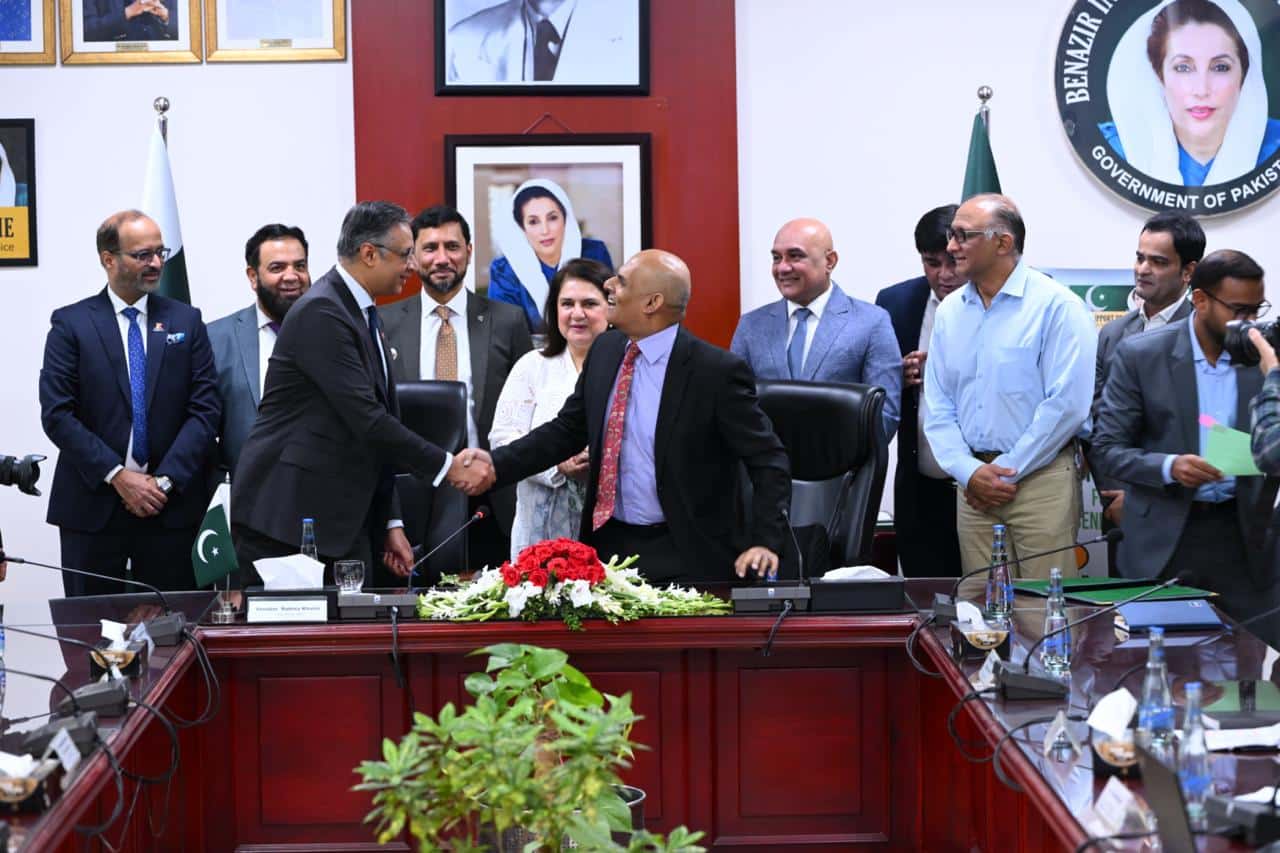
Pakistan’s social safety net is undergoing a structural recalibration as the BISP Digital Wallet system officially transitions from a conceptual framework to a nationwide operational reality. This precision-engineered initiative, launched by the Benazir Income Support Programme, leverages 1LINK’s interoperable architecture to dismantle traditional barriers to financial access for over 10 million families. By integrating major banking catalysts like HBL, Bank Alfalah, and JazzCash, the state is effectively decentralizing the stipend disbursement process.
The Translation: Architecture of Interoperability
In technical terms, BISP has moved from a “closed-loop” system to an “open-loop” interoperable framework. Previously, a beneficiary was tethered to a specific bank or point of sale determined by their geographic location or registration. Consequently, this created logistical bottlenecks and systemic inefficiencies.
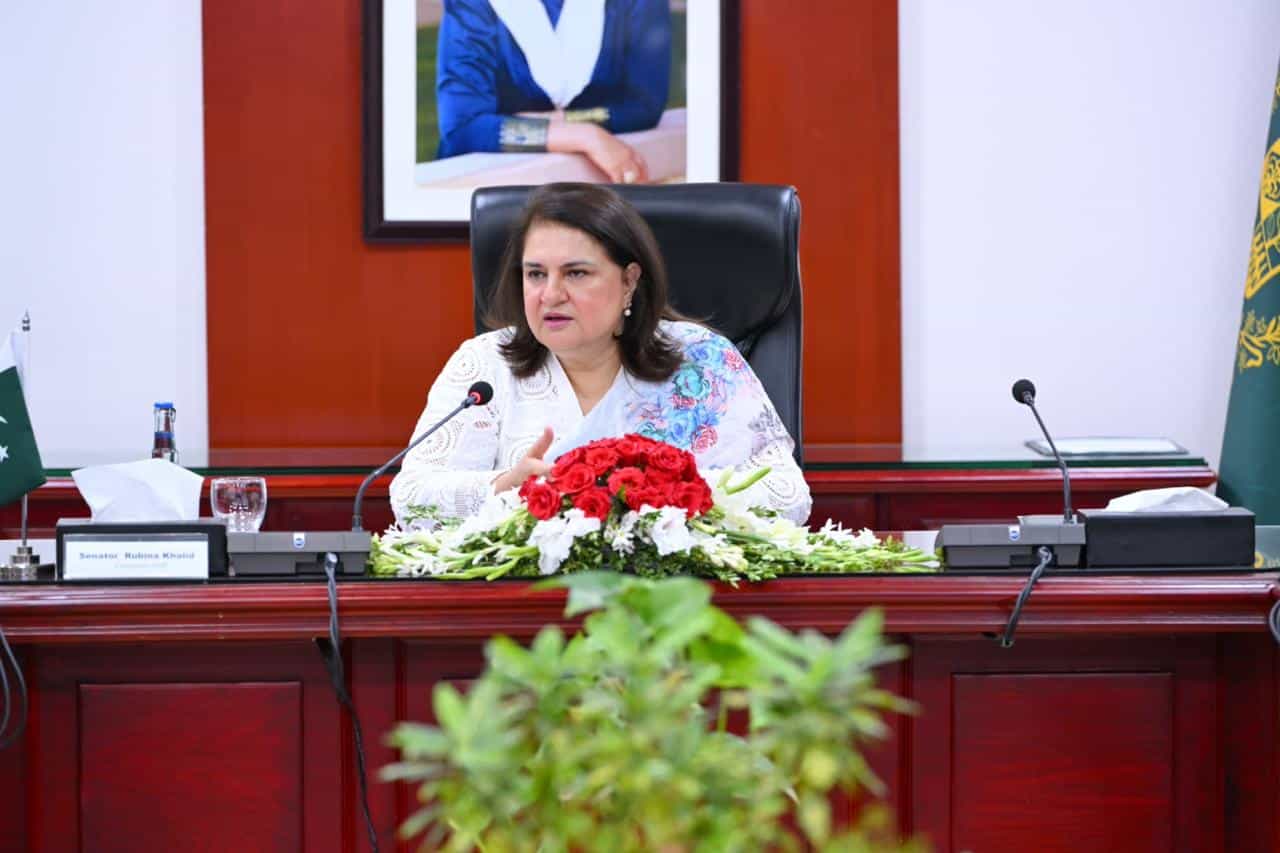
The new BISP Digital Wallet utilizes a unified switch. Specifically, stipends are now credited to a virtual account that communicates with all partner banks simultaneously. This allows a recipient to use any biometric-enabled retailer or ATM across the country. This technological upgrade ensures that the financial infrastructure adapts to the user, rather than forcing the user to adapt to the infrastructure.
The Socio-Economic Impact: Precision at the Grassroots
This development directly addresses the “Time Poverty” often experienced by women in rural and urban Pakistan. For a typical beneficiary, this shift removes the necessity of traveling long distances or waiting in uncalibrated queues for hours. Furthermore, the BISP Digital Wallet facilitates the following structural benefits:
- Dignified Access: Beneficiaries can withdraw funds at their convenience, reducing the risk of harassment at overcrowded centers.
- Financial Autonomy: Digital wallets serve as a baseline for formal banking, encouraging women to save and manage assets independently.
- Transparency: Real-time digital tracking eliminates the “middleman” risk, ensuring 100% of the stipend reaches the intended recipient.
Scaling National Efficiency
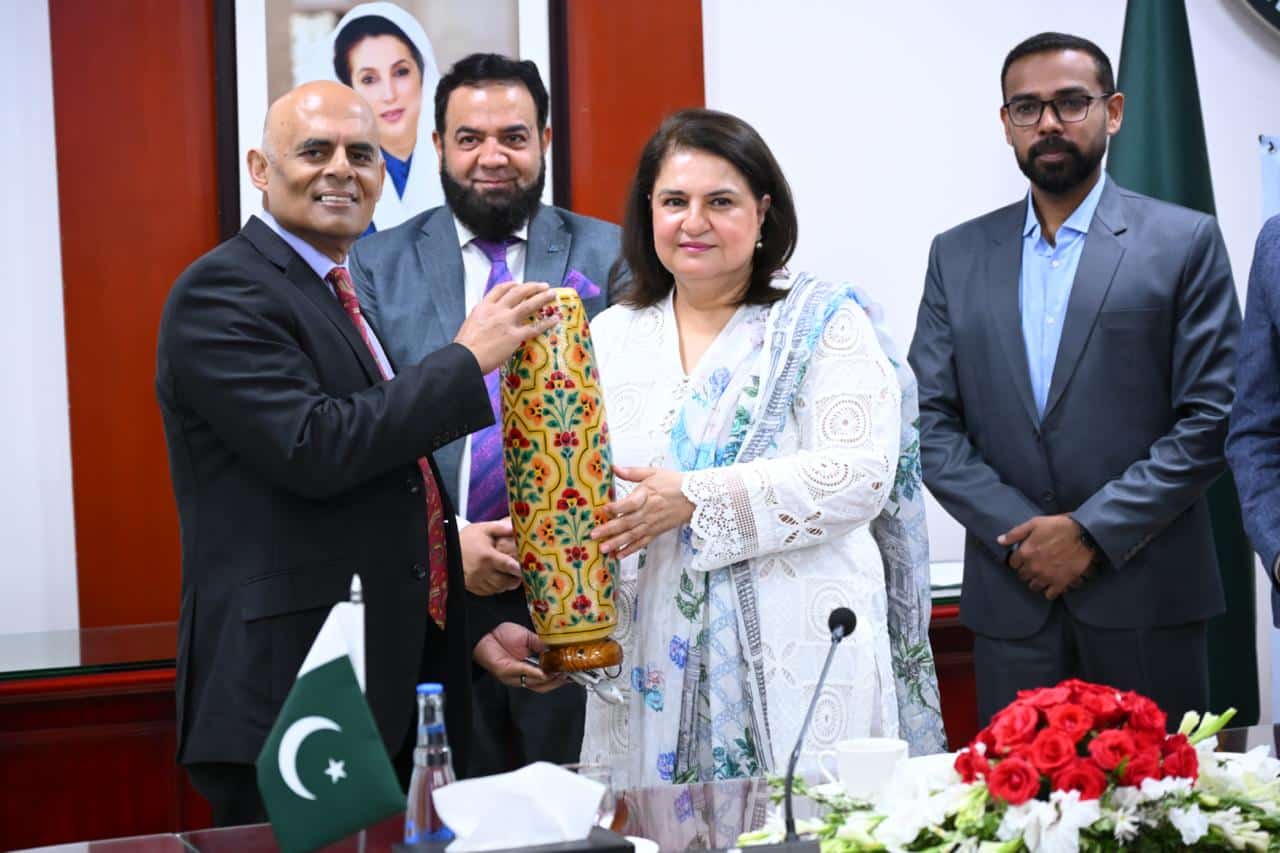
The strategic involvement of the State Bank of Pakistan and the World Bank ensures that this is not a temporary fix but a long-term economic catalyst. Moreover, by incorporating mobile platforms like Easypaisa and JazzCash, BISP is utilizing existing digital density to reach the most remote segments of the population. This alignment of public policy and private sector efficiency represents a precision-targeted approach to poverty alleviation.
The Forward Path: A Momentum Shift
From a STEM-driven perspective, this initiative represents a definitive Momentum Shift in Pakistan’s digital frontier. It moves beyond mere cash distribution and enters the realm of systemic financial inclusion. While the technology is robust, the success of this trajectory now depends on the calibrated outreach and field-staff training. If executed with the precision outlined by Senator Rubina Khalid, this model will serve as the global baseline for digital social safety nets.