
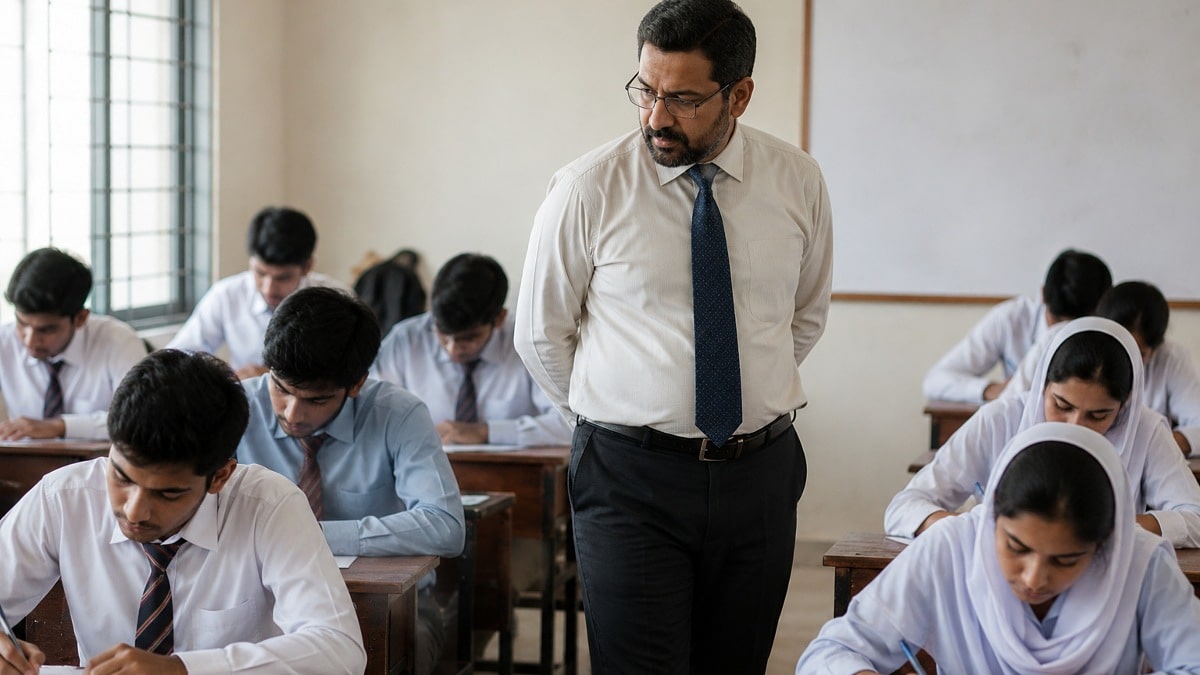
Efficient administrative systems serve as the structural baseline for national academic scaling. The Board of Intermediate and Secondary Education (BISE) Sargodha has officially calibrated the timeline for the SSC examination admission process for the 2026 annual cycle. This digitized framework ensures a precision-led approach to student registration across the region, minimizing manual errors through an integrated online system.
Defined Timelines for SSC Examination Admission
The board has established a tiered fee structure to maintain system equilibrium and encourage early compliance. Consequently, schools and eligible private candidates must adhere strictly to the following windows:
- Single Fee Submission: August 7 to August 19, 2026.
- Double Fee Submission: August 20 to August 25, 2026.
- Triple Fee Submission: August 26 to August 29, 2026.
- Final Surcharge Window: August 30 to September 4, 2026 (Requires Triple Fee plus an additional Rs. 500 surcharge).
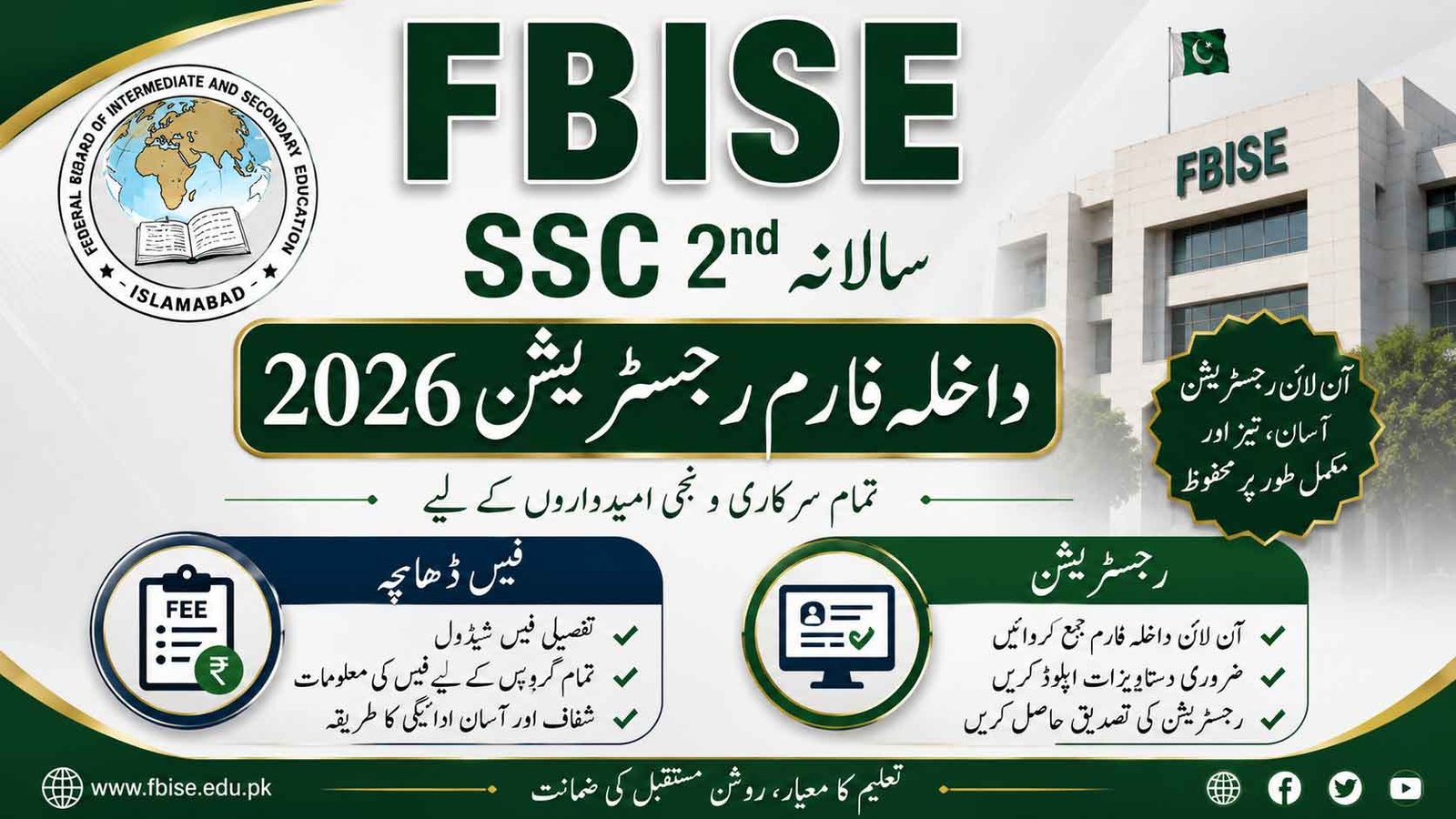
Strategic Directives for Educational Institutions
The BISE administration directed all educational institutions to utilize the online admission portal exclusively. Accuracy in data entry is a non-negotiable catalyst for a smooth examination cycle. Furthermore, the board advised school administrations to finalize all submissions within the primary window to avoid unnecessary financial burdens on students. This move highlights a strategic shift toward a more disciplined, deadline-oriented academic culture.
The Situation Room Analysis
The Translation
By implementing a tiered fee structure, the board is utilizing behavioral economics to manage server loads and administrative processing. This “phased urgency” ensures that the majority of the data enters the system early, allowing the board to calibrate logistics, such as seating plans and examiner assignments, with high precision long before the first paper begins.
The Socio-Economic Impact
For the average Pakistani household, these deadlines represent a critical budgetary touchpoint. Missing the single-fee deadline can double or triple the financial burden on low-to-middle-income families. Conversely, the transition to a purely online system empowers students in rural areas of the Sargodha division by removing the need for physical travel to board offices for form submission, thereby increasing systemic equity.
The Forward Path
This development represents a Momentum Shift. The move toward a mandatory online admission system is more than just a convenience; it is a structural upgrade to Pakistan’s educational infrastructure. As we move toward 2026, the integration of these digital touchpoints will likely lead to faster result processing and more transparent academic tracking for the next generation of professionals.








