
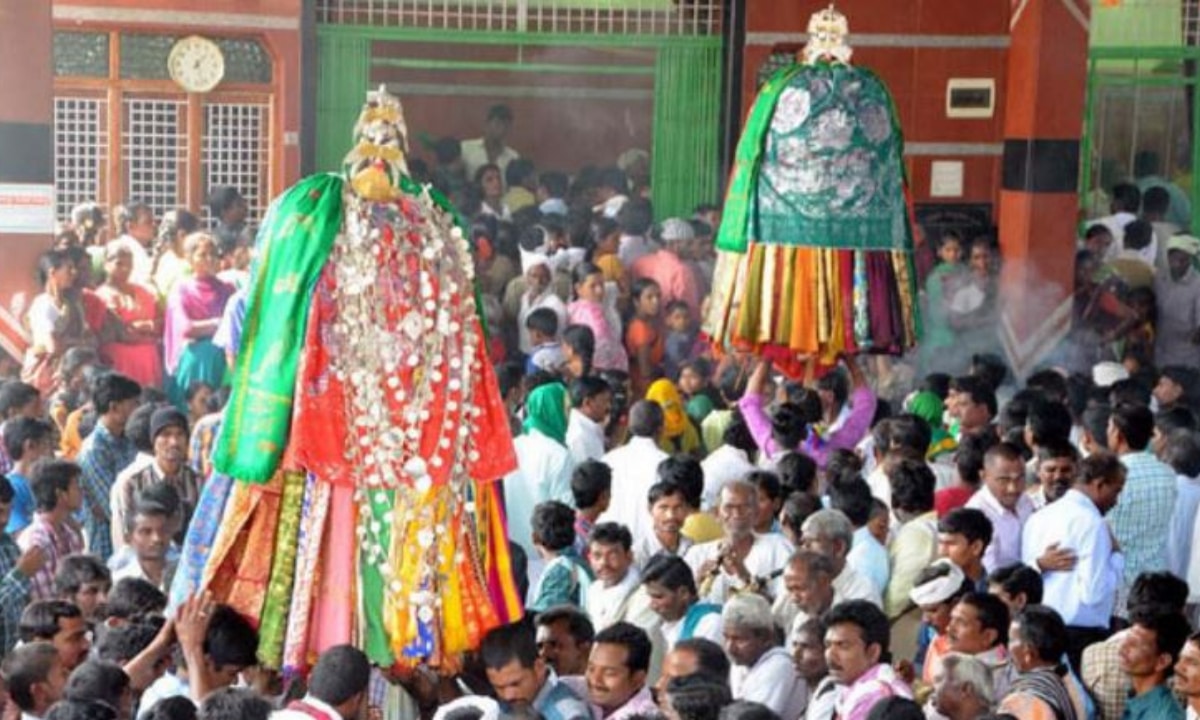
Inspector General of Police (IGP) Muhammad Tahir finalized a strategic Muharram security plan during a high-level briefing in Quetta. This calibrated approach aims to maintain regional stability by ensuring foolproof safety for Ashura processions and religious gatherings. Consequently, the provincial administration has prioritized structural peace to protect the sanctity of the month and the safety of all citizens.
The Operational Framework of the Muharram Security Plan
The IGP conducted a video-link conference with regional and district police officers to synchronize efforts across the province. Specifically, the strategy involves a multi-layered surveillance system designed to mitigate risks in urban centers and rural corridors. Law enforcement agencies will maintain a high state of vigilance throughout the month to prevent any disruption to the social fabric. Furthermore, Muhammad Tahir emphasized that the Muharram security plan serves as a catalyst for unity, brotherhood, and patience within the community.
Calibrated Tactical Deployment
To implement this mission, the police will execute strict checking at all major entry and exit points of cities. Strategic traffic management measures will facilitate the fluid movement of vehicles while keeping procession routes clear of potential hazards. Moreover, specialized teams will conduct thorough search and clearance operations on all designated routes before any religious events commence. To strengthen the perimeter, authorities will seal commercial plazas and shops located along sensitive routes where necessary.
- Systemic Surveillance: Real-time monitoring of high-density gathering points.
- Stakeholder Synergy: Continuous coordination with religious scholars and procession organizers.
- Logistical Precision: Implementation of advanced traffic flow protocols.
The Situation Room: Strategic Analysis
The Translation
Beyond the surface level of police patrolling, this development signifies a shift toward proactive threat mitigation. By sealing commercial zones and utilizing video-link coordination, the police are moving from a reactive “boots-on-the-ground” model to a precision-based “intelligence-first” framework. The logic is simple: by controlling the physical environment (the routes) and the entry points (the borders), they create a sterile corridor for religious activity.
The Socio-Economic Impact
For the average Pakistani citizen, these measures provide a necessary baseline of security that allows for the continuation of religious traditions. While the sealing of markets may cause temporary logistical friction for local business owners, the long-term benefit is the preservation of public order. For students and professionals, the specialized traffic management plans ensure that essential movement remains possible, preventing total urban paralysis during peak religious windows.
The Forward Path
This development represents a Stabilization Move. While it demonstrates high tactical precision, it is a response to existing security challenges rather than a shift in the underlying security paradigm. However, the use of centralized video conferencing and stakeholder coordination indicates an improvement in systemic efficiency. For this to become a “Momentum Shift,” we must see these temporary security protocols transition into permanent digital surveillance and community policing frameworks.








