
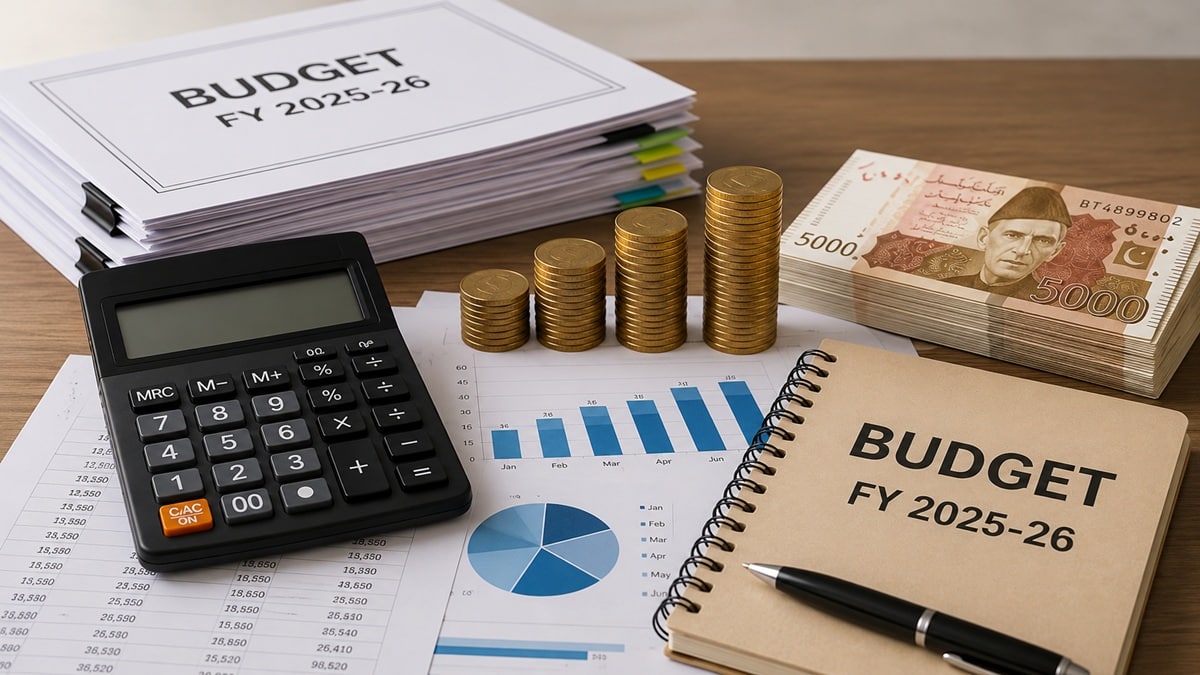
Balochistan provincial ministers and their administrative staff triggered a significant Balochistan budget overspend, exceeding their approved allocation by Rs. 130 million during the 2025-26 financial year. Specifically, the provincial treasury disbursed Rs. 892.1 million against a calibrated baseline of Rs. 761.8 million. This variance signals a critical gap between high-level austerity directives and the actual fiscal execution within the provincial executive branch.
Analyzing the Balochistan Budget Overspend Dynamics
The structural breakdown of this expenditure reveals that the overspending was not limited to personnel incentives but extended into operational logistics. Consequently, the government failed to meet its own sustainability targets despite regional economic pressures. Key data points include:
- Salary & Incentives: Actual spending reached Rs. 892.1 million, far surpassing the Rs. 761.8 million limit.
- Fuel Consumption: Expenditure hit Rs. 62.1 million against an allocated Rs. 49 million.
- Budget Variance: A total excess of Rs. 13.1 million specifically in fuel costs alone.

The Translation: Systemic Fiscal Leakage
In “Next Gen” clarity, this development represents a failure of precision budgeting. While the government officially mandated austerity—citing global fuel volatility and the Gulf conflict—the internal machinery continued to consume resources at an uncalibrated rate. The 17% increase in expenditure suggest that administrative safeguards were either bypassed or lacked the structural authority to halt non-essential disbursements.
The Socio-Economic Impact: The Citizen’s Cost
For the average Pakistani citizen, particularly in underdeveloped regions of Balochistan, this Balochistan budget overspend translates directly into opportunity costs. Rs. 130 million represents a catalyst for growth that was instead diverted to administrative overhead. Furthermore, in a province where infrastructure and education require urgent precision investment, such fiscal slippage delays the modernization of essential public services for urban and rural households alike.

The Forward Path: A Stabilization Move
Ultimately, this development is a Stabilization Move that has unfortunately skewed toward a deficit. Correcting this trajectory requires a structural shift toward digital expenditure tracking and real-time fuel monitoring. Pakistan’s path to economic sovereignty depends on the disciplined management of provincial funds. Addressing this Balochistan budget overspend is not merely an accounting necessity; it is a prerequisite for national advancement and system efficiency.








