

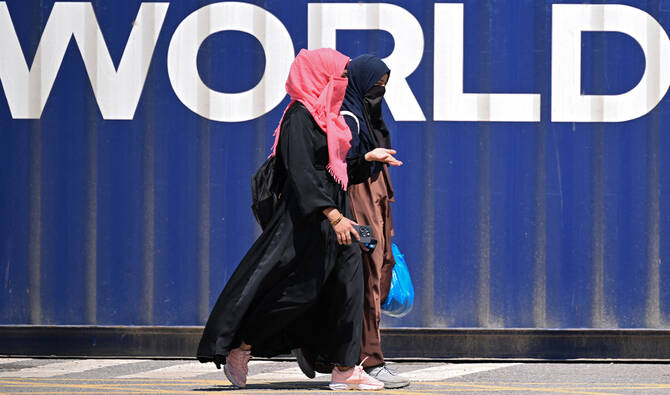
The Senate Standing Committee on Finance recently intervened to ensure a flexible Bank Dress Code across Pakistan’s financial sector. By challenging reports of mandatory abayas at specific Islamic banks, lawmakers are prioritizing constitutional freedoms and professional autonomy. This strategic move aims to unify workplace standards while preventing institutional overreach that could alienate the female workforce.
Standardizing the Bank Dress Code for Professional Equity
Senator Zarqa Suharwardy and Senator Sherry Rehman led the advocacy for employee rights during the recent session. They argued that the national dress, shalwar kameez, remains a calibrated and professional standard for any corporate environment. Consequently, the committee directed the State Bank of Pakistan (SBP) to issue precise guidelines. These directives will ensure that no financial institution imposes specific religious attire, such as headscarves or abayas, as a mandatory requirement for employment.
Systemic Efficiency: Frozen Accounts and Fiscal Transparency
The committee also addressed structural delays regarding the freezing of bank accounts, including those belonging to parliamentarians. To optimize resolution times, SBP Governor Jameel Ahmad designated two dedicated officers to manage these specific friction points. Furthermore, the Federal Board of Revenue (FBR) provided a baseline analysis of electricity bill taxes. FBR Chairman Rashid Mahmood Langrial confirmed that while Rs. 476 billion was collected, the sales tax rate has remained stable for two years, shielding domestic consumers from income tax through utility bills.
Architectural Shifts in Mining and Labor
Strategic discussions continued regarding the Reko Diq mining project. Lawmakers questioned the current legal framework that limits specific incentives to a single project, suggesting a more inclusive approach for future investors. Additionally, the committee ordered the immediate resolution of pending dues for Senate employees. This focus on internal administrative precision reflects a broader commitment to systemic accountability across all national sectors.
The Situation Room Analysis
The Translation
This development represents a shift from “Institutional Autonomy” to “Regulated Individual Rights.” By questioning the Bank Dress Code, the Senate is signaling that corporate culture cannot supersede the national legal framework. The move clarifies that professional “decency” is defined by national standards rather than individual bank boards.
The Socio-Economic Impact
For the modern Pakistani woman, this ensures that career progression in the financial sector is based on precision and merit rather than a specific aesthetic baseline. For households, the FBR’s tax breakdown provides necessary transparency, though the sheer volume of taxes (Rs. 476 billion) highlights the heavy fiscal burden currently placed on the energy-consuming public.
The Forward Path
This is a Momentum Shift. The Senate is moving beyond mere oversight and is actively recalibrating the intersection of cultural identity and professional life. By standardizing dress codes and streamlining account resolution, Pakistan is building a more predictable and inclusive economic environment.








