
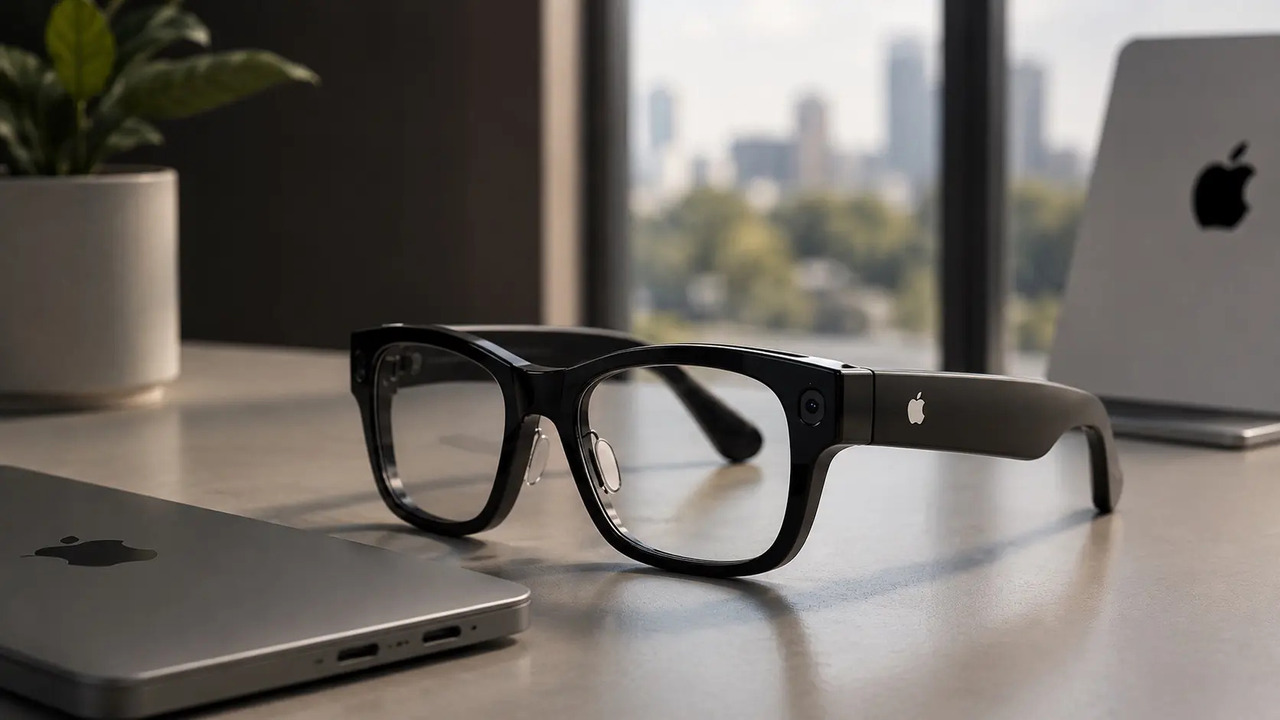
Apple has calibrated its hardware roadmap by shifting the anticipated launch of the Apple smart glasses to late 2027. This strategic delay allows the tech giant to refine the N50 prototype, ensuring the first iteration offers seamless iPhone integration and Siri-driven utility. While initial projections suggested a 2026 reveal, the structural complexity of integrating high-fidelity cameras and microphones into a slim form factor necessitated a timeline adjustment.
The Technical Blueprint: N50 Features and Design
The first-generation Apple smart glasses will prioritize smart functionality over complex augmented reality (AR). Consequently, the device focuses on providing a baseline of digital efficiency rather than immersive visual overlays. Key hardware specifications include:
- Built-in precision cameras for high-definition photography and video capture.
- Integrated speakers and microphones optimized for Siri-based notifications and music.
- Advanced support for turn-by-turn walking directions and deep iOS ecosystem synergy.
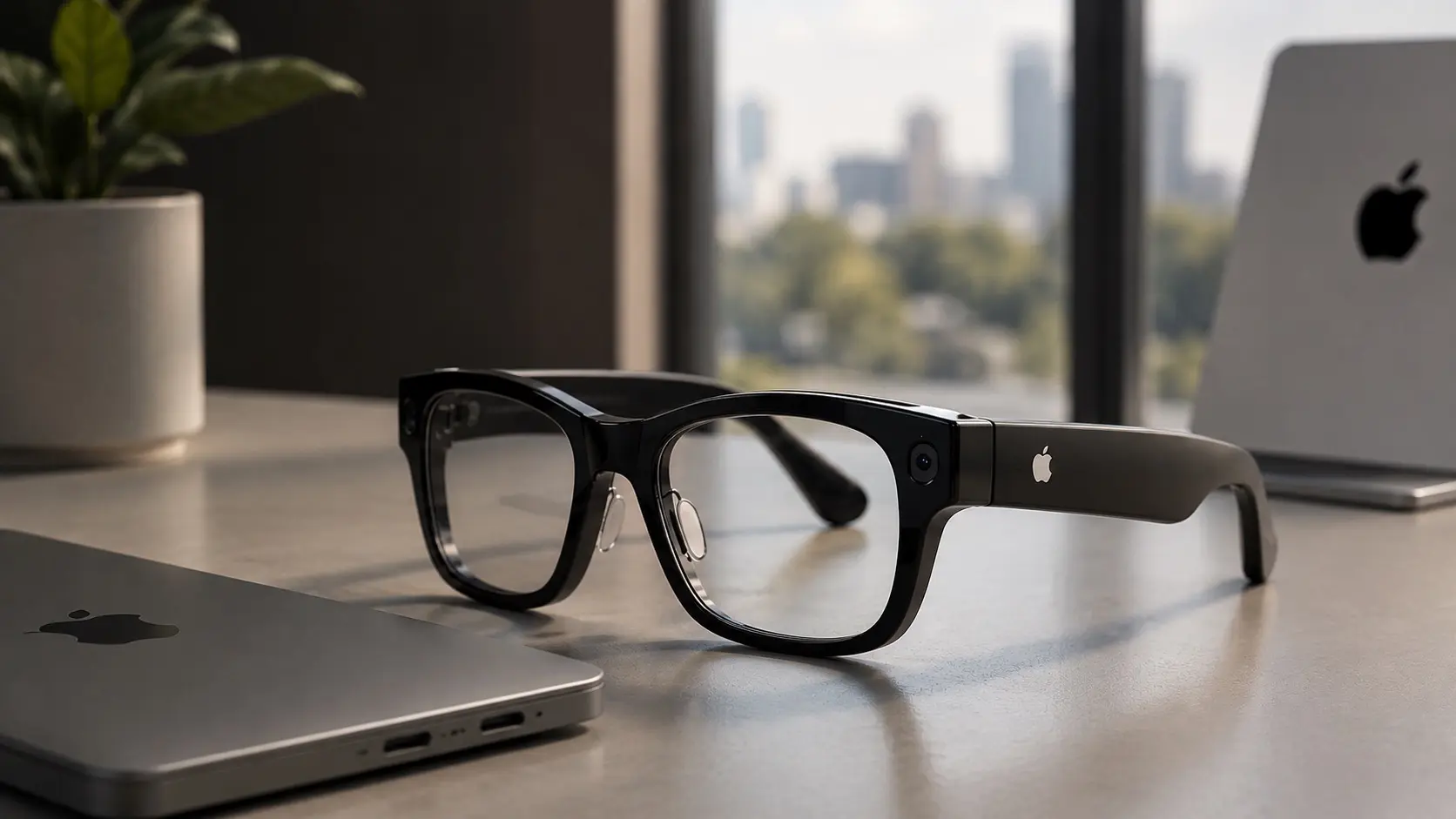
Apple engineers are currently testing a variety of ergonomic frame styles. These structural designs range from slim rectangular frames to larger circular options. Furthermore, the palette includes professional tones such as ocean blue and light brown, suggesting a strategy to position the device as a high-end fashion accessory.
The Translation: Strategic Iteration Over Rushed AR
To understand the N50 project, one must distinguish between “Smart Eyewear” and “Augmented Reality.” Technically, Apple is choosing an iterative path. By omitting an in-lens AR display in the first version, they reduce thermal management challenges and battery drain. This move allows the Apple smart glasses to maintain a lightweight profile similar to traditional Ray-Bans while establishing a hardware foothold in the wearable market.
The Socio-Economic Impact: Wearables in the Pakistani Context
For the professional and student demographics in Pakistan, a price target of $200 to $500 represents a significant investment in personal productivity. As the local digital economy expands, the integration of hands-free notifications and Siri-assisted navigation can act as a catalyst for professional efficiency in urban centers like Karachi and Lahore. However, the 2027 delay means local tech enthusiasts must wait longer for an ecosystem-native alternative to current market leaders.
The Forward Path: A Stabilization Move
This development represents a Stabilization Move rather than a loss of momentum. Apple is avoiding the pitfalls of early-market AR failures by perfecting the baseline user experience first. By focusing on Siri and iPhone connectivity, they are building a reliable foundation. Consequently, when AR features eventually arrive, the user base will already be habituated to the eyewear form factor.








