
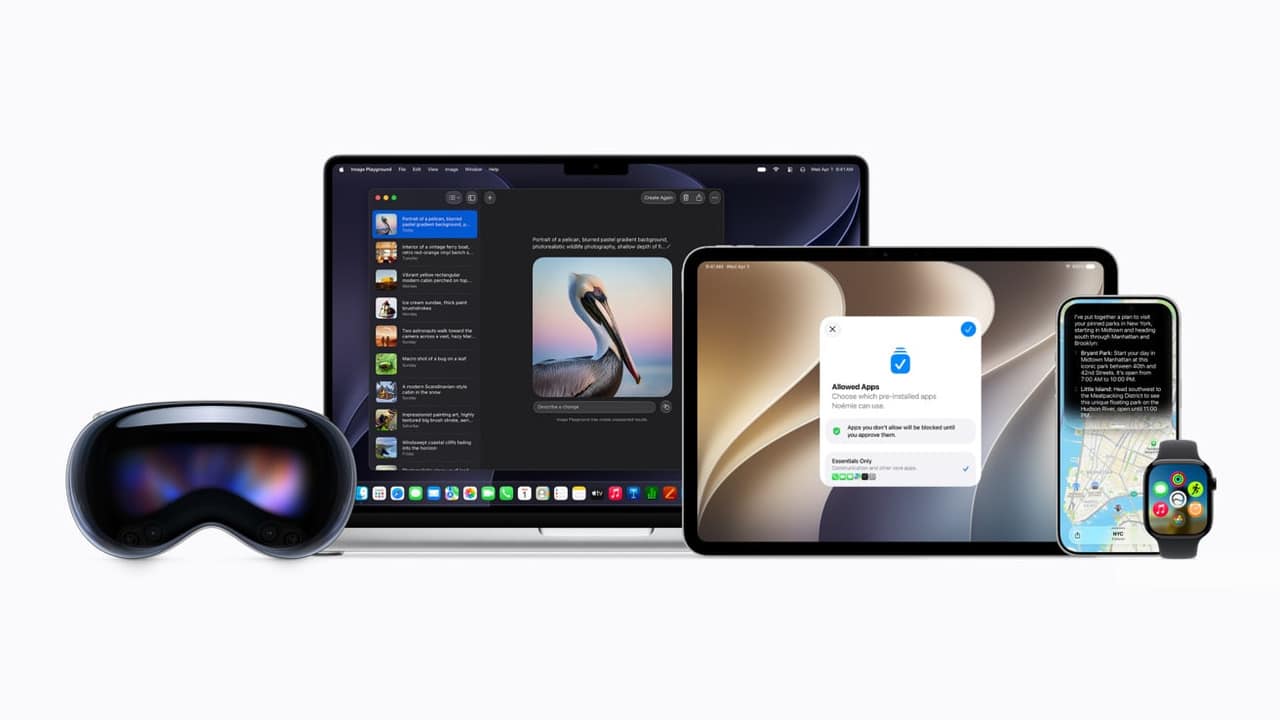
Apple has officially calibrated its digital ecosystem by unveiling next-generation Apple Intelligence for iOS 27, iPadOS 27, and macOS 27. This structural update integrates advanced generative models across the core user interface, moving beyond simple automation toward high-precision assistance. During the Worldwide Developers Conference, the architect of this shift focused on Siri’s evolution, while simultaneously detailing a catalyst for efficiency within Safari, Photos, and Mail.
The Translation: Contextualizing Neural Integration
The “Apple Intelligence” framework is not a mere additive feature; it is a fundamental reconfiguration of system logic. Consequently, the OS now operates with a “context-aware” baseline, utilizing Private Cloud Compute to process complex generative tasks without compromising local data integrity. This means your device no longer just executes commands; it understands the structural relationship between your messages, calendar events, and files to provide proactive solutions.
Structural Precision: The Core of Next-generation Apple Intelligence
Visual and Creative Calibration
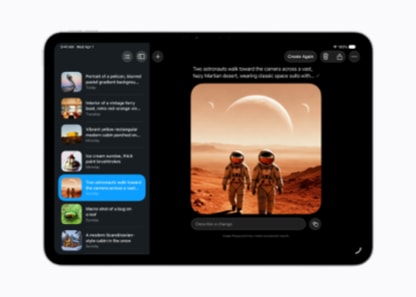
The Photos app now incorporates powerful image models that support non-destructive edits. Users can utilize the Spatial Reframing tool to adjust photo perspectives in real-time, effectively simulating camera repositioning after the fact. Furthermore, the Clean Up tool now leverages improved infill quality to remove distractions from complex scenes with surgical precision.
Productivity and Workflow Automation
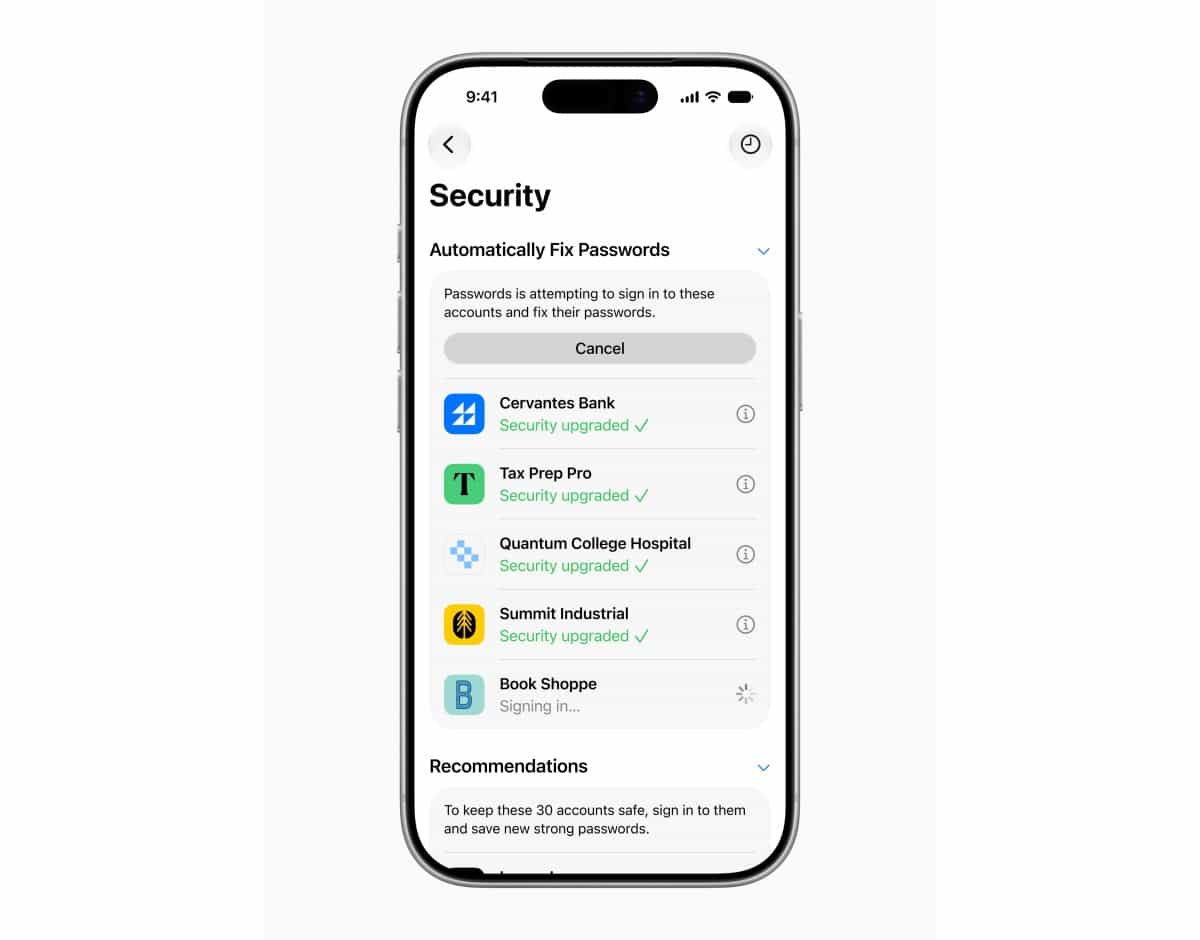
Safari has transitioned into a strategic research assistant. The browser now automatically organizes tabs into relevant topics and introduces a “Notify Me” feature to monitor web page fluctuations, such as inventory restocks. Additionally, the new Passwords app can automatically update weak credentials with a single tap, significantly reducing the friction of digital security management.
The Socio-Economic Impact: Precision for the Pakistani Citizen
For the Pakistani professional and student, these updates serve as a catalyst for global competitiveness. The automated proofreading and writing tools bridge the linguistic gap in international commerce, allowing local freelancers to deliver polished, grammatically precise content. Furthermore, the intelligent organization of Mail and Messages enables small business owners to manage high-volume customer interactions with minimal cognitive overhead. This efficiency baseline is critical for a workforce operating in a high-velocity digital economy.
Enhanced Accessibility and Privacy
Apple Intelligence reinforces inclusivity through VoiceOver enhancements, providing richer descriptions for visually impaired users. Strategically, all features are built on a privacy-first architecture. The system utilizes Google’s Gemini models through a secure bridge that ensures user data is never stored or made accessible to third parties, setting a new global standard for AI ethics.

The Forward Path: A Momentum Shift
Our analysis identifies this development as a significant Momentum Shift. Apple is not merely reacting to the AI trend; they are codifying how generative intelligence must coexist with user privacy. While the daily usage limits on certain server-side features suggest a controlled rollout, the structural integration into the iPhone 16 and M-series hardware ensures that this is the new baseline for all future computing. We view this as a decisive step toward an era of “Invisible Computing,” where the system anticipates needs before the user articulates them.








