
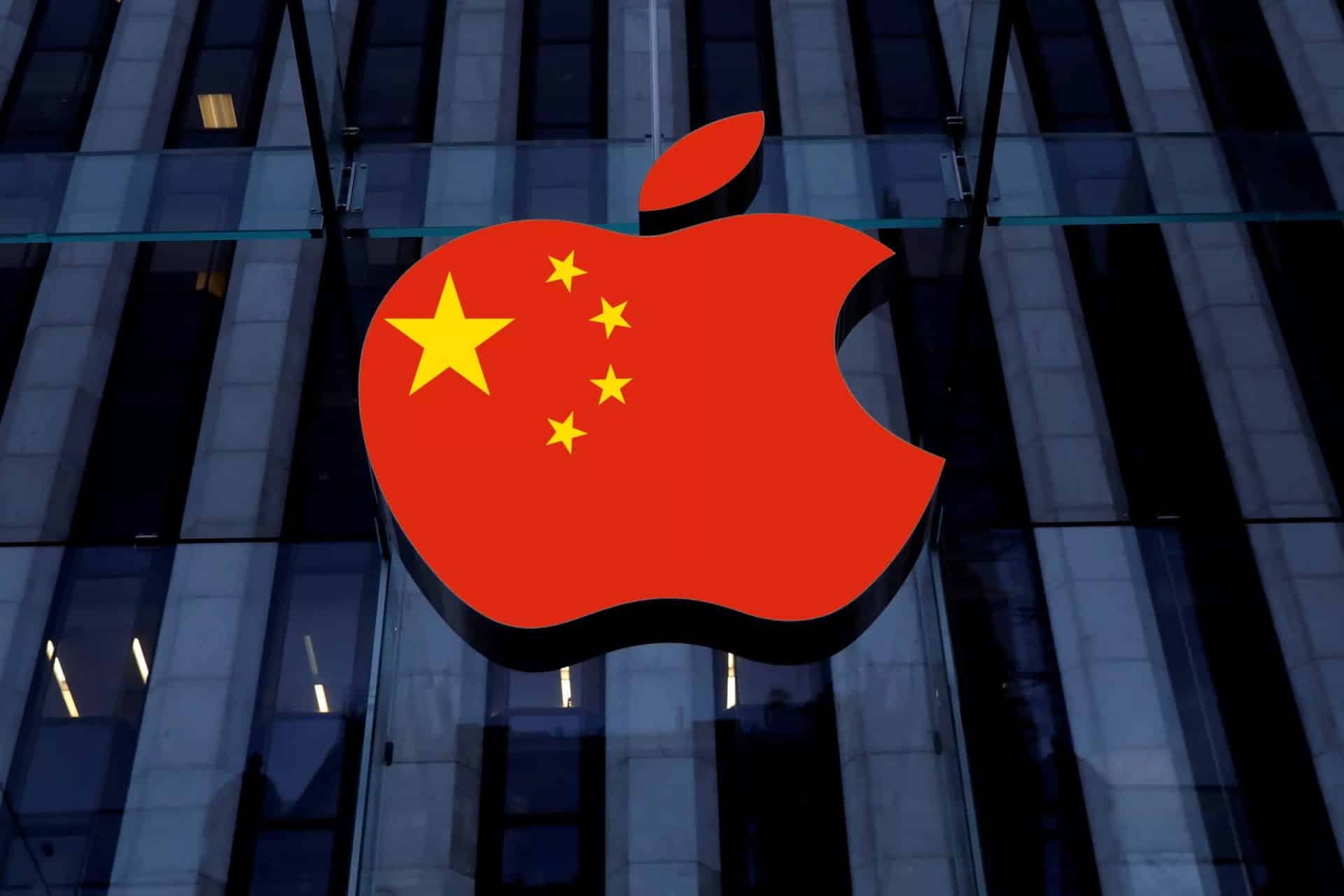
Apple Intelligence China has officially cleared its primary regulatory hurdle after a calculated period of structural alignment with local laws. The technology giant successfully registered its AI service with China’s cyberspace regulator, a mandatory baseline for any generative AI product within the region. Consequently, this milestone represents a strategic victory for Apple as it seeks to maintain its competitive edge in the world’s largest smartphone market.
Regulatory Hurdle Cleared for Apple Intelligence China
While Apple deployed its AI suite in international markets earlier this year, the Chinese rollout faced significant friction due to local compliance frameworks. However, Chinese authorities have now granted the necessary “green light” for the service. This approval confirms that Apple has calibrated its software to meet the rigorous safety and data standards required by the state. Although the legal path is now clear, the precision of the final rollout date remains at Apple’s discretion.

The Local Integration: Alibaba and Baidu
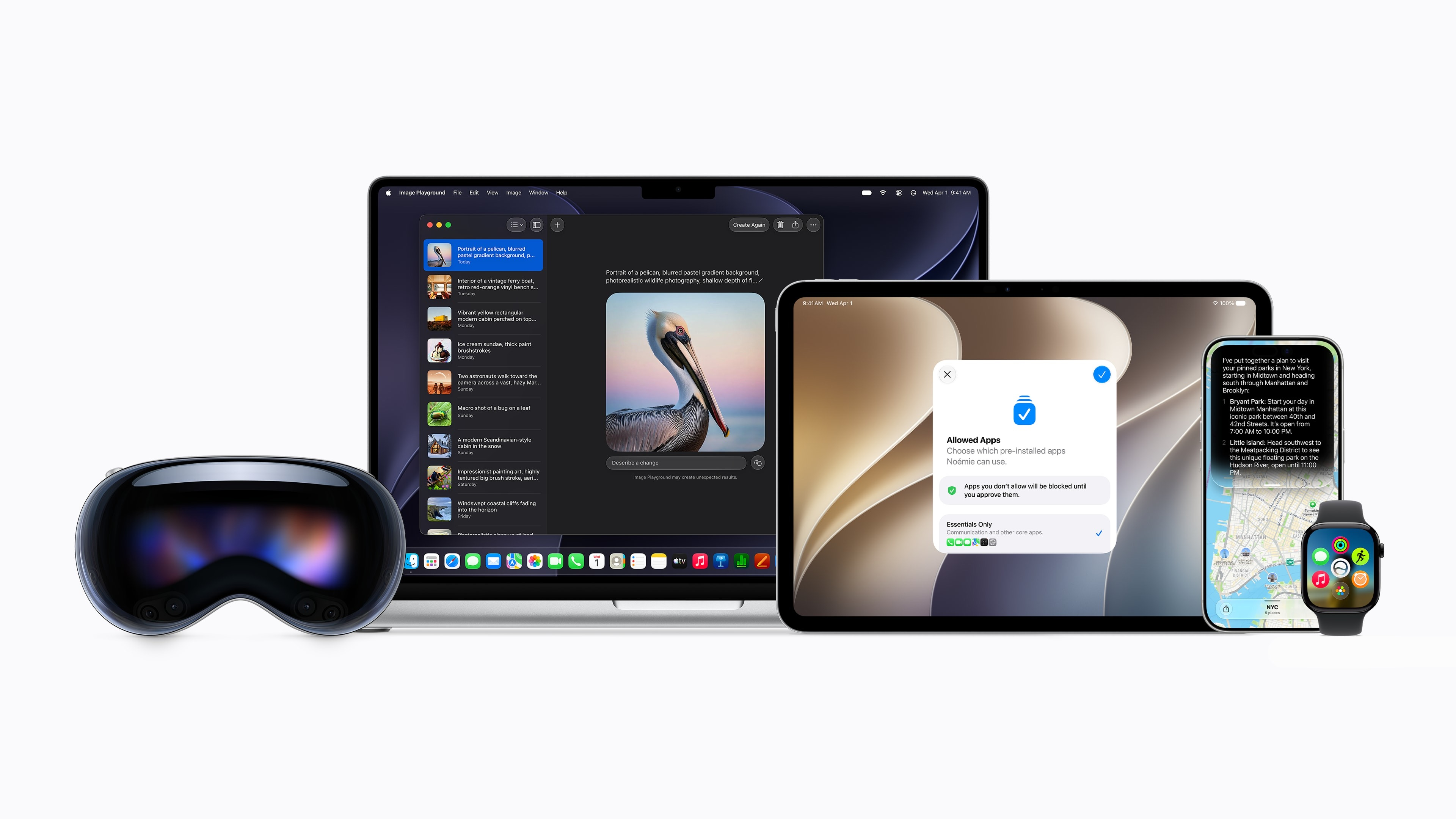
To navigate the unique regulatory landscape, Apple adopted a collaborative architecture. Specifically, the company will integrate AI capabilities from local champions rather than relying solely on its proprietary global cloud infrastructure. Furthermore, Alibaba confirmed that its Qwen model will power key features across iOS, macOS, and visionOS. Simultaneously, Baidu is actively developing specialized features to ensure Apple Intelligence China delivers a localized user experience.
- Alibaba Qwen: Integration across the entire Apple hardware ecosystem.
- Baidu AI: Collaborative development for iPhone-specific AI tasks.
- Regulatory Compliance: All models have pre-verified state approval.
Strategic Necessity of Local Partnerships
China requires all generative AI products to undergo a rigorous vetting process before public release. Consequently, these partnerships were not merely optional but functioned as a strategic catalyst for market entry. Apple adjusted its global AI blueprint to include approved Chinese technology providers. By doing so, the company secured its position within the Chinese digital frontier while adhering to domestic governance. This move highlights Apple’s ability to execute precision adjustments to its ecosystem based on geopolitical requirements.
The Translation: Clear Context
In technical terms, Apple is practicing “Model Localization.” Because the Chinese government restricts foreign-hosted large language models (LLMs), Apple cannot simply use its US-based servers to process AI requests. By partnering with Alibaba and Baidu, Apple essentially “swaps the engine” of its AI while keeping the user interface familiar. This ensures that features like Siri’s advanced reasoning or image generation work within the legal boundaries of the Chinese firewall.
The Socio-Economic Impact
This development directly impacts the global supply chain and the local digital economy. For the Pakistani professional or student using Apple devices, this move signals a future where AI features are increasingly fragmented by region. Furthermore, it demonstrates that even the world’s most powerful tech entities must adapt to local sovereignty, potentially setting a baseline for how AI will be regulated and deployed in other emerging markets like Pakistan.
The Forward Path: Opinion
This is a definitive Momentum Shift. While critics may view the reliance on local partners as a compromise, it is actually a masterclass in structural pragmatism. Apple is prioritizing market access over rigid architectural consistency. By securing this approval, Apple avoids a “stabilization move” that would have seen its hardware become obsolete in China compared to AI-heavy local rivals like Huawei or Xiaomi. This sets a precedent for global tech diplomacy in the AI era.








