

Accelerating Pakistan’s Digital Frontier with Advanced AI
The digital frontier in Pakistan is set for a calibrated advancement as Anthropic prepares to launch its next-generation Anthropic AI Model, Claude Opus 4.7, this week. This strategic release, reported by The Information, introduces a significantly enhanced high-performance system alongside an innovative AI-powered design tool. Consequently, this dual development represents a pivotal structural upgrade, poised to redefine efficiency baselines for professionals and innovators across the nation.
The Translation: Unpacking Advanced AI Capabilities
Anthropic’s upcoming Claude Opus 4.7 is engineered to surpass its predecessors, including the current Opus 4.6 version, elevating computational intelligence. While specific technical blueprints remain confidential, this new Anthropic AI Model signifies a critical iteration in AI development. Furthermore, it implies more sophisticated problem-solving capacities and an enhanced ability to process complex data, thereby increasing its utility for various applications.
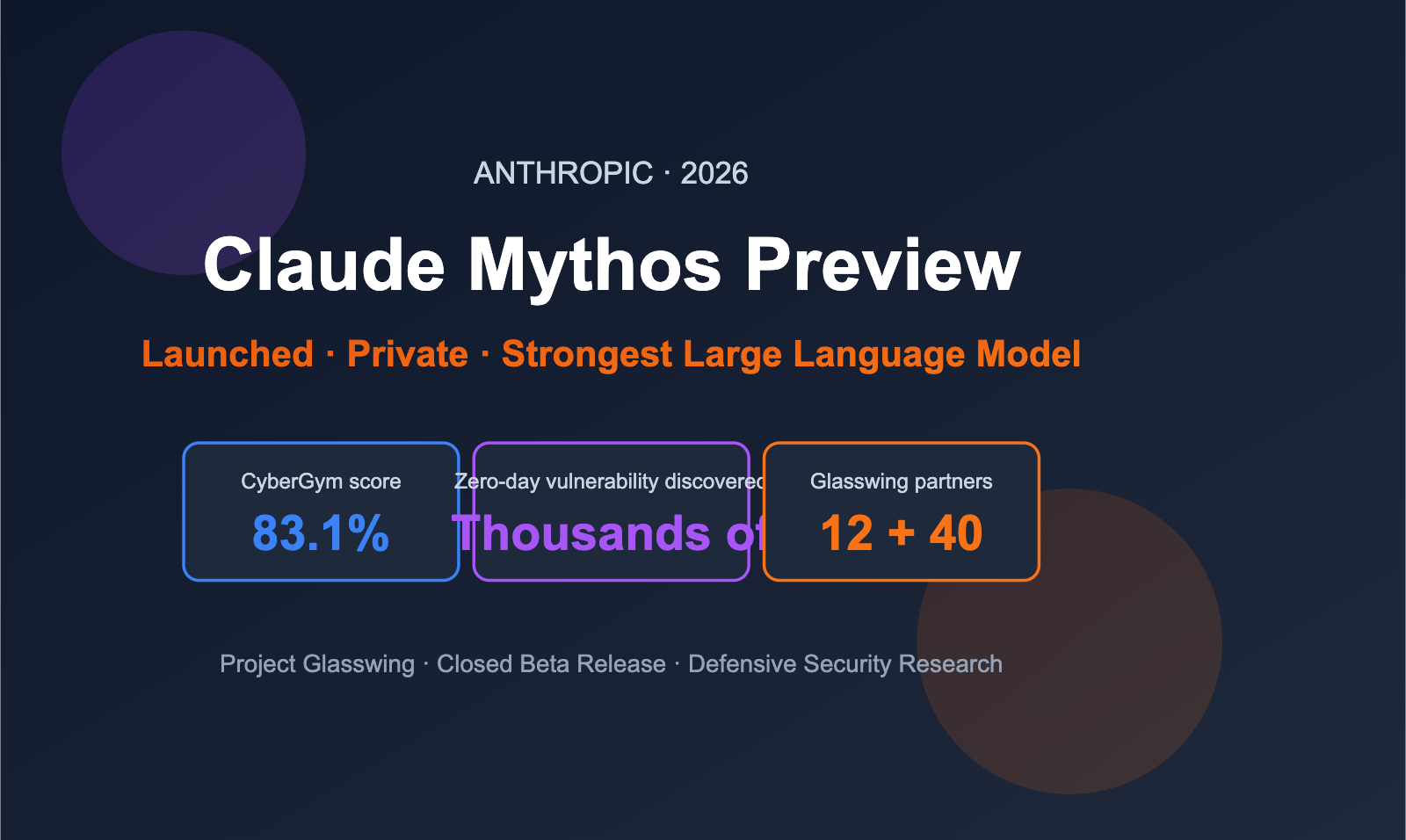
Previously, Anthropic’s most advanced system was known as Mythos. However, the introduction of Opus 4.7 underscores an accelerated industry trajectory where AI models are continuously refined. Notably, this advancement suggests a baseline shift towards more robust and adaptive artificial intelligence infrastructures.
Socio-Economic Impact: Calibrating Pakistan’s Digital Future
This new Anthropic AI Model has profound implications for daily life and economic progression within Pakistan. For instance, students can anticipate more advanced research tools and personalized learning experiences, fostering a new generation of digital natives. Professionals, particularly in sectors like software development, graphic design, and data analysis, will gain access to tools that significantly enhance productivity and innovation. This efficiency gain can catalyze growth in small and medium-sized enterprises (SMEs) and establish new benchmarks for digital services.
Consider the urban centers, where tech hubs can leverage these models for rapid prototyping and market analysis. In rural areas, while direct access may be slower, the downstream effects—such as improved public services enabled by efficient AI backends—will eventually foster systemic improvements. Consequently, the broader integration of such powerful AI systems can contribute directly to Pakistan’s digital transformation agenda, attracting further technological investment and skill development opportunities.
AI Design Tool: A Structural Catalyst for Creativity
Beyond the core Anthropic AI Model, the concurrently developed AI-powered design tool presents a transformative potential. This feature is strategically designed to streamline the creation of digital assets, including websites and presentations. Structurally, it aims to augment human creativity by automating routine design tasks and offering intelligent suggestions. This enables designers and marketers to focus on conceptualization and strategy, rather than tedious execution.
The rapid cycle of AI model releases, as observed across the industry, emphasizes an ongoing commitment to innovation. This design tool aligns perfectly with that trajectory, promising a more efficient and precise approach to digital content creation. Ultimately, this technological leap will empower Pakistani businesses to produce higher quality, more engaging digital experiences with unprecedented speed.
The Forward Path: A Clear Momentum Shift
This latest development by Anthropic represents a clear Momentum Shift for the global AI landscape, and by extension, for Pakistan’s technological integration. It is not merely a stabilization move; it pushes the baseline of AI capabilities significantly forward. The concurrent release of a powerful new model and a practical application like an AI design tool demonstrates a strategic vision focused on real-world impact. This trajectory indicates a future where AI is not just a computational engine but a pervasive assistant across creative and analytical domains, driving unprecedented rates of progress.








