

Anthropic has officially deployed Claude Fable 5, the inaugural publicly accessible iteration of its high-performance Mythos-class architecture. This calibrated system serves as a catalyst for software development, demonstrating the precision required to generate fully functional, playable games from a single, high-level prompt. Consequently, the model represents a structural leap in autonomous system efficiency, bridging the gap between conceptual design and production-ready code.
The Situation Room: Strategic Analysis
The Translation
In technical terms, “Mythos-class” refers to a tier of AI models optimized for sustained, high-complexity tasks that exceed standard code completion. While previous models functioned as sophisticated autocomplete tools, Claude Fable 5 operates as a logic engine. It interprets a single instruction to architect, write, and execute a multi-layered software environment simultaneously.
The Socio-Economic Impact
For the Pakistani landscape, this development lowers the structural barriers to entry for students and aspiring entrepreneurs. A single visionary in a remote area can now prototype complex software solutions without a large development team. This efficiency increases the baseline of national digital output, allowing local talent to compete globally by focusing on high-level innovation rather than repetitive syntax correction.
The Forward Path
This release represents a Momentum Shift. We are moving beyond assisted coding into the era of architectural autonomy. While human oversight remains essential for calibration, the ability of Claude Fable 5 to handle vision, research, and engineering in one workflow signals a permanent change in the software production lifecycle.
Proven Precision: Single-Prompt Demonstrations
AI researcher Ethan Mollick recently verified the system’s capability by utilizing Claude Code to generate several distinct applications. Through a series of rigorous tests, the model successfully synthesized these environments without requiring iterative debugging or manual intervention.
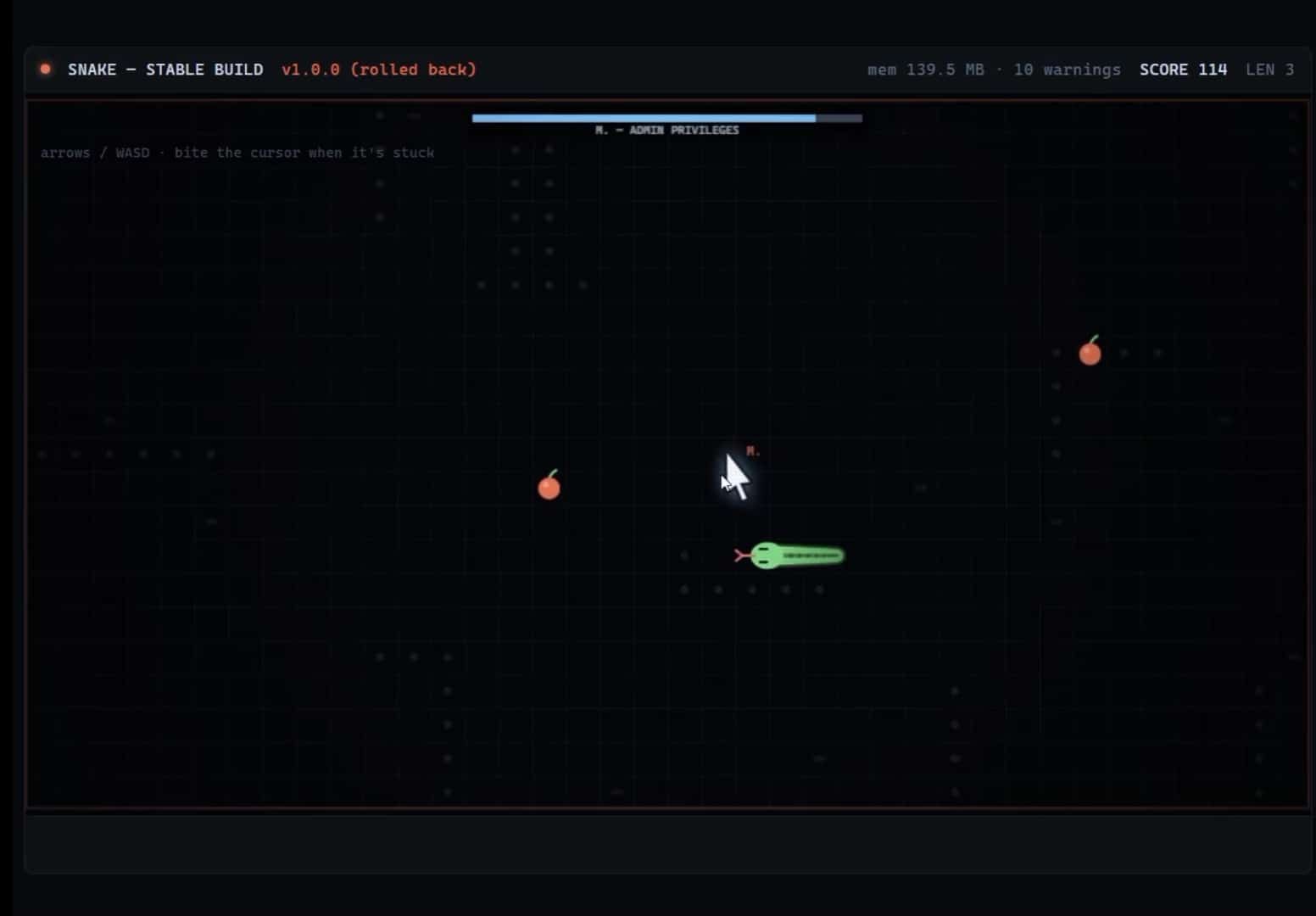
- Snake: A functional recreation of the classic arcade experience, calibrated for immediate playability.
- Strata: An exploration-based network of underground tunnels focused on lighting mechanics.
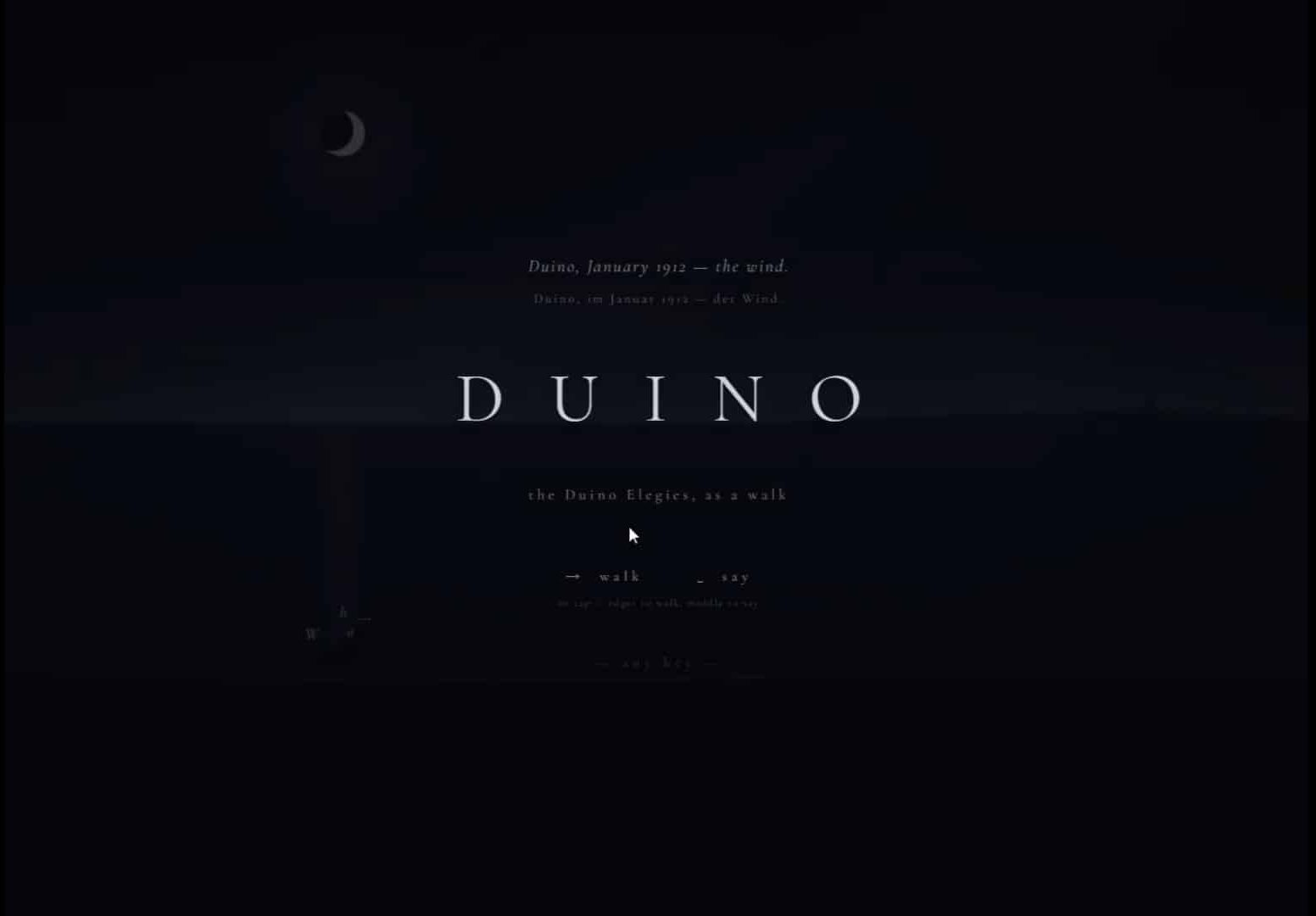
- Duino: A narrative-driven walking simulator based on the literary works of Rainer Maria Rilke.


Strategic Utility: Mapping and Complex Outputs
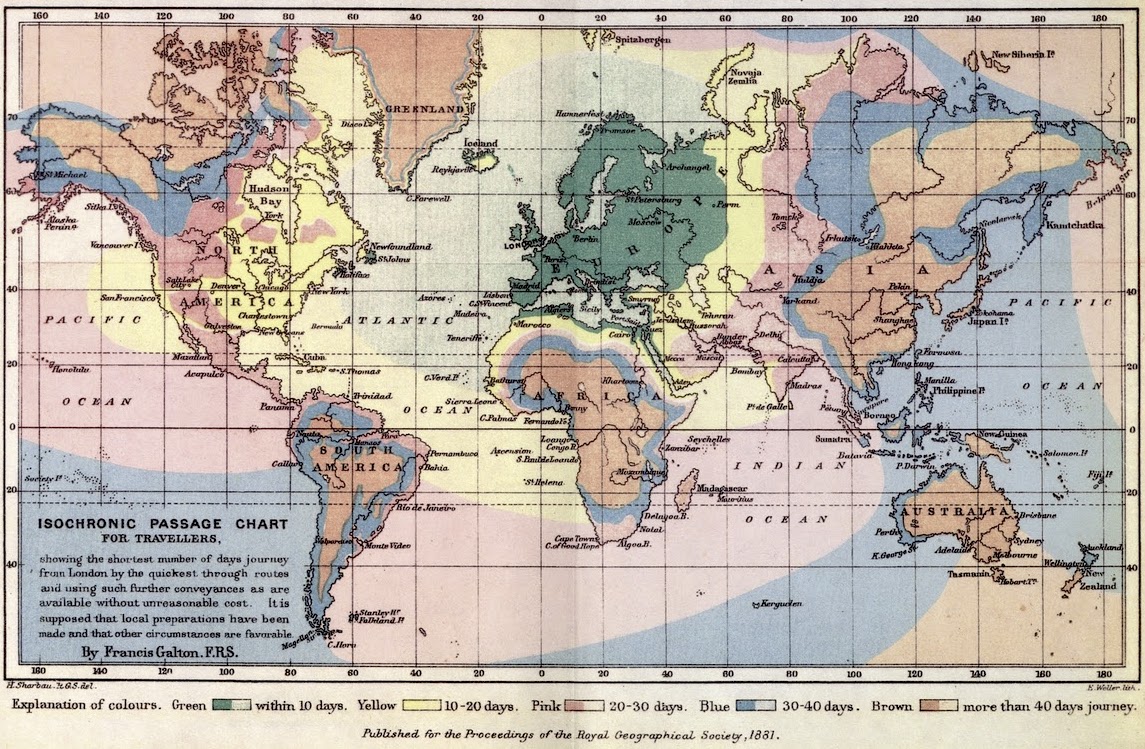
The model’s utility extends beyond entertainment into precise data visualization. Mollick demonstrated that Claude Fable 5 can generate detailed isochronic maps. These tools calculate and visualize travel time between geographic coordinates with high accuracy. This capability highlights the model’s aptitude for scientific research and long-running analytical tasks.
Architecting the Future of AI-Assisted Engineering
The successful deployment of Claude Fable 5 indicates that the threshold for building small-scale software has permanently fallen. Although it does not yet replace a full-scale enterprise development team, it radically accelerates the prototyping phase. Consequently, founders and researchers can now move from a strategic hypothesis to a functional baseline in seconds, drastically improving the velocity of progress.









