
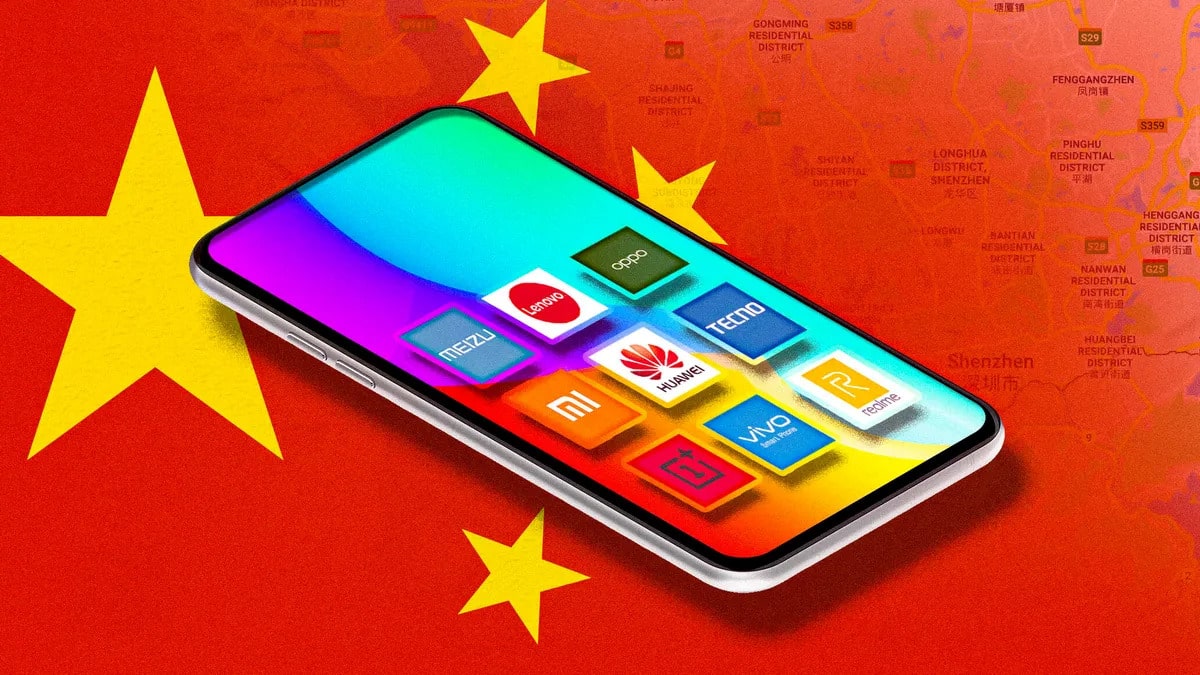
Global supply chains are currently undergoing a structural recalibration as artificial intelligence demands consume the world’s semiconductor capacity. This precision-driven shift has triggered an official Huawei Price Hike scheduled for July 1, 2026. Consequently, the tech giant joins Xiaomi, Oppo, and OnePlus in adjusting consumer costs to survive a tightening hardware market.
Analyzing the Huawei Price Hike Factors
Huawei recently issued a calibrated notice to its partner network in China, confirming that raw material costs have surged since late 2025. The company cites a fundamental imbalance in supply and demand across the global chip industry. Moreover, the aggressive expansion of artificial intelligence technologies has redirected critical resources away from consumer electronics.

Specifically, memory manufacturers have shifted production toward AI data center components, such as high-bandwidth memory (HBM) and DDR5. This strategic pivot restricts the supply of general-purpose memory used in smartphones and tablets. Furthermore, rising procurement costs for key components have reached a baseline that necessitates retail adjustments.

Affected Products and Market Reach
While the initial notice focuses on Huawei’s smart collaboration lineup, analysts expect the pressure to permeate through phones, wearables, and tablets. Huawei has not yet finalized the exact percentage of the increase for individual consumer units. However, the industry expects more precise data as the July 1 deadline approaches.

The tech landscape is also witnessing a broader geopolitical and corporate struggle for hardware dominance. As major players like Elon Musk and global leaders navigate this high-stakes environment, the cost of innovation continues to climb.

The Translation (Clear Context)
In simple terms, the “brain” of your smartphone is now competing for the same materials as the “brains” of massive AI supercomputers. Because AI is currently the most profitable sector, chip makers are prioritizing data centers over handheld devices. Consequently, smartphone brands must pay significantly more for the same parts they bought cheaper a year ago. This is not a choice; it is a structural survival move to maintain manufacturing margins.

The Socio-Economic Impact
For the average Pakistani citizen, the Huawei Price Hike translates to a higher barrier for digital inclusion. As prices rise, the affordability of high-quality mobile tech decreases for students and young professionals in urban centers like Karachi and Lahore. Furthermore, rural digitalization efforts may stall if hardware costs outpace household income growth. We are witnessing a shift where premium tech becomes a luxury asset rather than a utility.

Just as the automotive industry saw prices spike during the EV transition, the electronics market is entering a high-cost phase driven by the AI revolution.

The “Forward Path” (Opinion)
This development represents a Momentum Shift. We are exiting the decade of “cheap tech” and entering an era of “AI-taxed hardware.” For Pakistan, this is a catalyst to pivot toward localized assembly and hardware innovation to mitigate global price volatility. While these hikes are painful for the consumer today, they reflect a necessary stabilization of the global semiconductor market as it calibrates for the next decade of AI-driven computing.









