
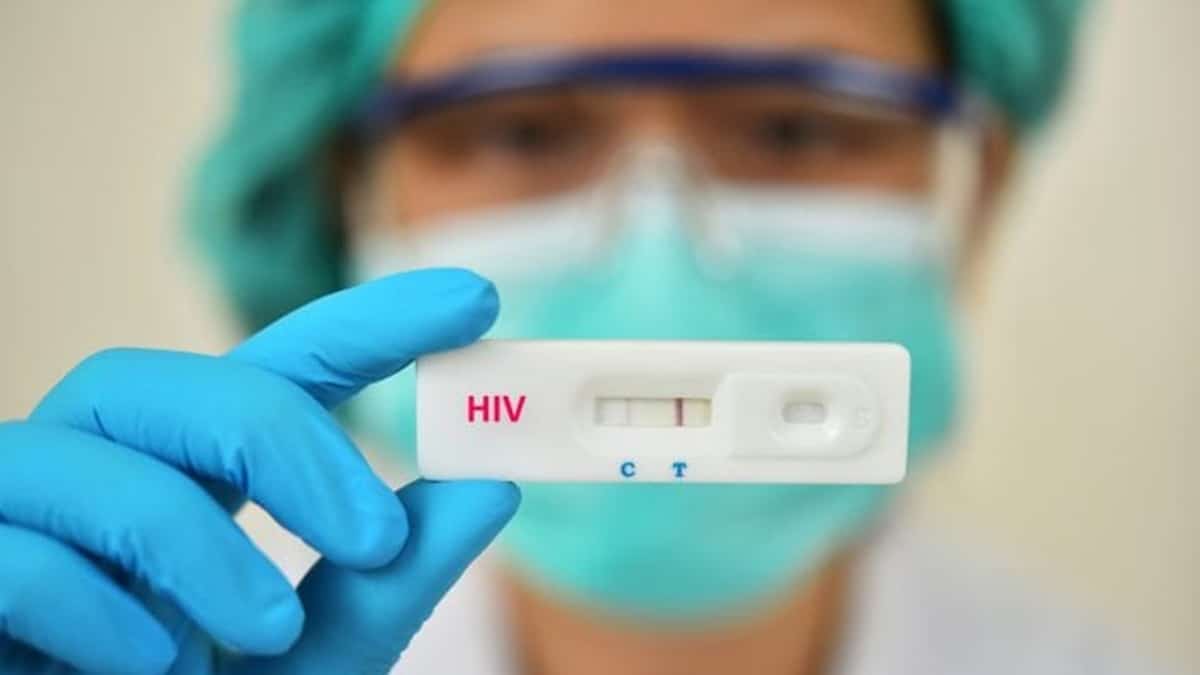
The structural integrity of Pakistan’s healthcare delivery system faces a calibrated crisis as a three-year-old girl from Orangi Town becomes the latest victim of the child HIV outbreak in Karachi. Health authorities confirmed the diagnosis after three distinct laboratory protocols, including Rapid Detect and HIV Combo (Ag/Ab), returned positive results. Consequently, this case raises the total number of infected children in this specific cluster to 107, signaling a baseline failure in clinical safety.
The Systemic Failure at Valika Hospital
Data indicates that the child previously received treatment at the Kulsum Bai Valika Social Security SITE Hospital. Following this medical intervention, the girl’s health began to deteriorate rapidly, prompting her parents to seek diagnostic clarity. This specific child HIV outbreak aligns with an ongoing investigation into the government-run facility. Furthermore, families of the affected children have consistently alleged that hospital staff reused contaminated syringes on multiple patients, a practice that serves as a direct catalyst for viral transmission.
National Transmission Trends and Regulatory Response
The Sindh Health Department reported a strategic increase in HIV cases across the province throughout 2026. During a recent session of the National Assembly, Federal Minister Syed Mustafa Kamal confirmed that the reuse of syringes at Valika Hospital caused the local child HIV outbreak. Consequently, the government has implemented a ban on five specific syringe types to mitigate further cross-contamination. Reports of similar viral surges in Islamabad and Taunsa suggest that the current medical infrastructure requires immediate calibration to prevent a wider national epidemic.

Currently, approximately 366,000 Pakistanis live with HIV/AIDS. While the disease remains treatable through managed care, the death toll in Zia Colony has already reached nine children. Prime Minister Shehbaz Sharif has since formed a special committee to strengthen prevention and control measures between federal and provincial authorities.

The Situation Room: Analysis
The Translation (Clear Context)
In medical terms, the positive results from Rapid Detect, Uni-Gold, and HIV Combo tests confirm the presence of both HIV antigens and antibodies. This means the transmission was not a diagnostic error but a confirmed biological event. The reuse of syringes introduces the virus directly into the bloodstream of a healthy patient. This technical negligence converts a routine hospital visit into a lifelong medical condition for the most vulnerable citizens.
The Socio-Economic Impact
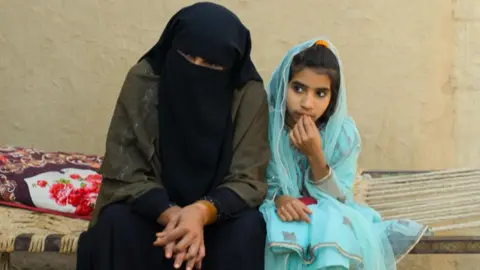
This crisis creates a devastating financial and psychological burden on low-income families in Karachi. Beyond the immediate health risks, affected children face a lifetime of expensive antiretroviral therapy (ART) and social stigma. For the state, this represents a massive loss in future human capital and a surge in public health expenditures. Trust in public institutions is eroding, which may lead parents to avoid necessary vaccinations and treatments, further destabilizing the national health baseline.
The “Forward Path” (Opinion)
This development represents a Stabilization Move that has come far too late. While the ban on specific syringes and the formation of a special committee are necessary steps, they are reactive rather than proactive. To achieve a true “Momentum Shift,” Pakistan must implement a precision-led, digitized tracking system for all medical disposables. Strict criminal accountability for hospital administrators is the only way to ensure that systemic negligence does not compromise the next generation.









