
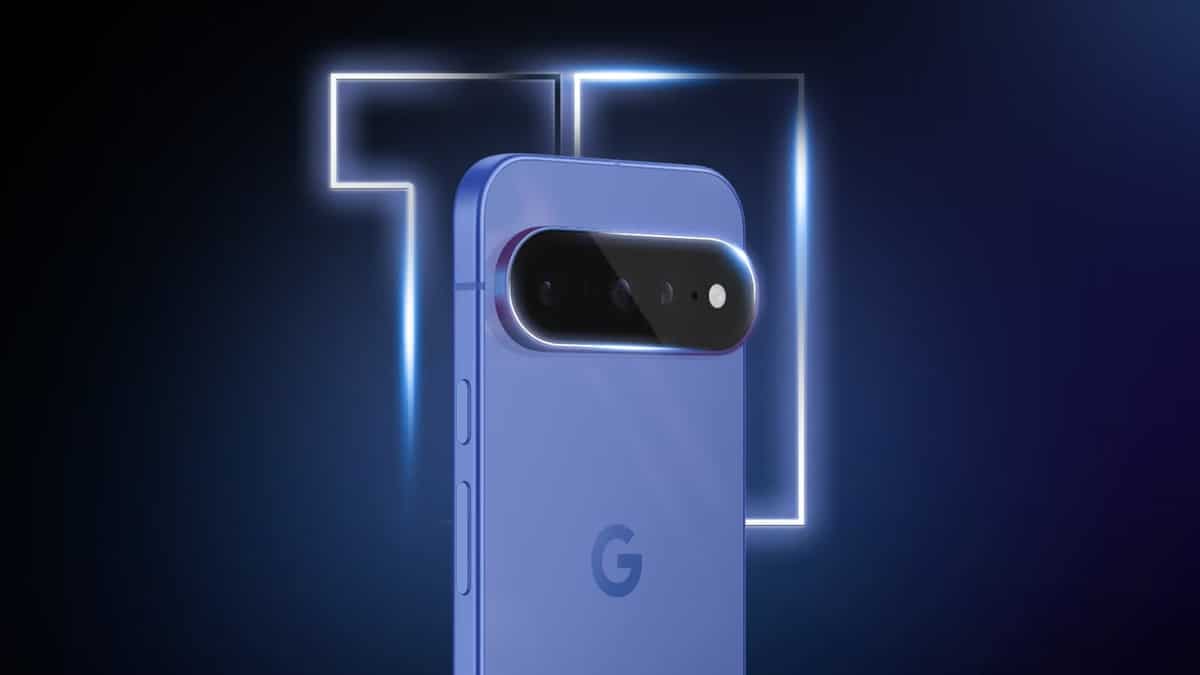
The upcoming Google Pixel 11 series represents a strategic leap in smartphone precision, integrating the leaked Tensor G6 processor and Android 17 into a calibrated hardware ecosystem. Consequently, this lineup aims to redefine system efficiency through four distinct models: the Pixel 11, Pro, Pro XL, and the Pro Fold. While Google has not officially confirmed these metrics, the structural leaks suggest a significant catalyst for mobile advancement ahead of the August 12 launch.
Structural Specifications: The Google Pixel 11 Baseline
The standard Google Pixel 11 serves as the entry point for this technological shift. It features a 6.3-inch Actua OLED display that reaches a peak brightness of 3,000 nits. Furthermore, the device utilizes 12GB of RAM to manage the heavy computational load of modern AI applications. In contrast to previous iterations, this model emphasizes streamlined photography with a 48MP main sensor, specifically omitting a dedicated telephoto lens to maintain its lightweight 197g profile.

| Feature | Pixel 11 Specification |
|---|---|
| Processor | Google Tensor G6 |
| Display | 6.3-inch OLED (120Hz, 3,000 nits) |
| Memory | 12GB / 16GB RAM |
| Battery | 4,985mAh (30W Wired, Qi2 Wireless) |
| Starting Price | $899 |
Pro Series Evolution: Calibrated for Maximum Throughput
The Pixel 11 Pro and Pro XL models offer a more robust architectural framework for power users. Specifically, the Pro XL utilizes a 6.8-inch Super Actua LTPO OLED panel capable of reaching a staggering 3,600 nits. These devices include a 48MP periscope telephoto camera, supporting 5x optical zoom for precise imaging. Additionally, the XL variant increases energy capacity with a 5,115mAh battery and 45W wired charging to ensure continuous operational uptime.
The Pro Fold: Expanding the Digital Frontier
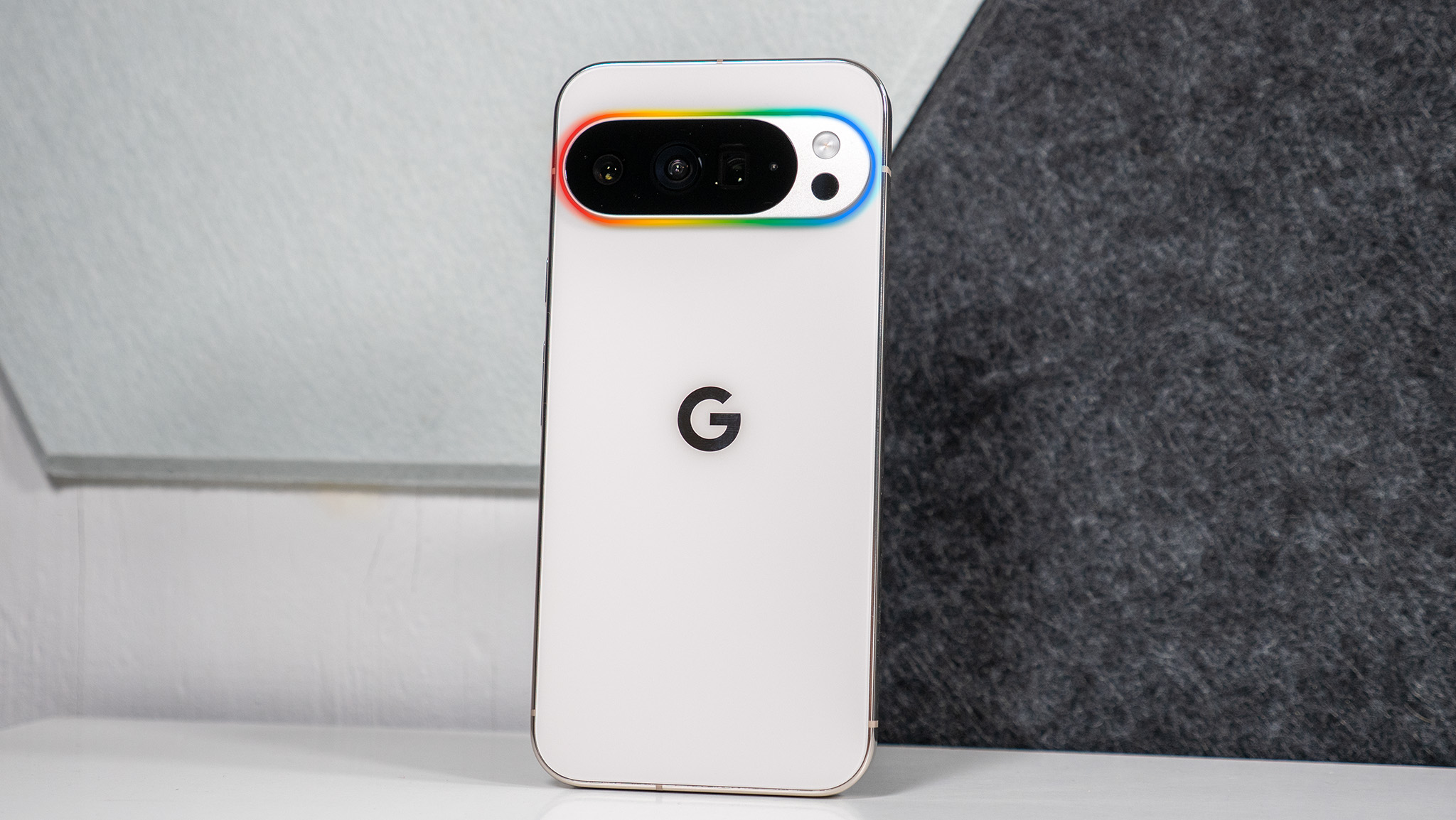
Engineers have designed the Pixel 11 Pro Fold to maximize screen real estate without compromising structural integrity. It features an 8-inch primary internal display and a 6.4-inch external cover screen. Although it commands a premium price of $1,899, it integrates the same Tensor G6 engine and Titan M3 security coprocessor found across the flagship range.

The Situation Room Analysis
The Translation (Clear Context)
The shift to the Tensor G6 and Android 17 signifies Google’s move toward vertical integration. By designing the silicon to match the software precisely, Google eliminates the lag typically associated with third-party chipsets. The transition to Qi2 wireless charging is equally vital, as it establishes a universal magnetic standard that simplifies the peripheral ecosystem for all users.
The Socio-Economic Impact
For the Pakistani consumer, the $899 starting price ($1,899 for the Fold) presents a high financial threshold when coupled with PTA taxes. However, the inclusion of the Titan M3 security chip offers a baseline of safety for the growing population of digital entrepreneurs and remote professionals. These tools provide the precision required for high-stakes financial management and secure communication in a volatile digital landscape.
The Forward Path (Opinion)
We classify this development as a Momentum Shift. While the pricing remains steep, the leap to 3,600 nits and the standardized inclusion of Android 17 represent a calculated push toward long-term hardware longevity. Google is no longer just maintaining; they are strategically advancing the baseline of what a mobile workstation should achieve.








