
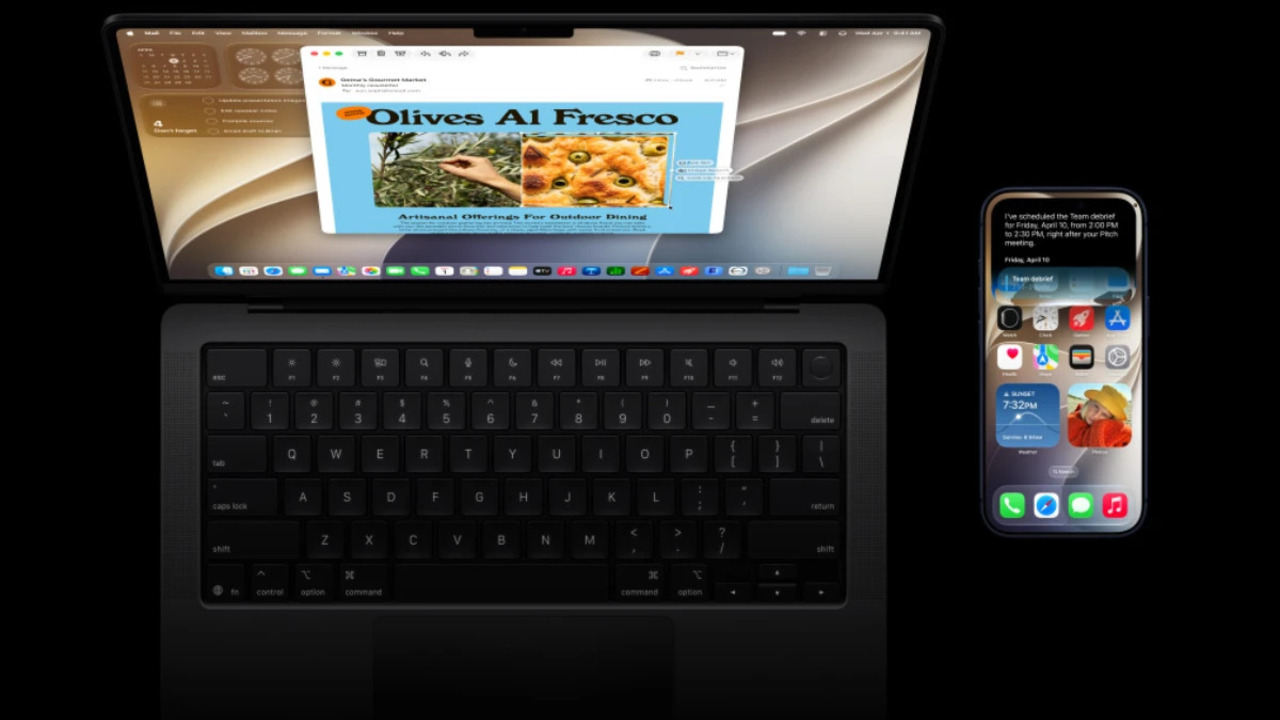
Apple has officially deployed macOS 27 Golden Gate, a strategic update that integrates advanced macOS 27 features like Siri AI directly into the system architecture. This release establishes a definitive baseline for the silicon era by terminating support for Intel-based processors. Consequently, only M-series chips and the new MacBook Neo can leverage these high-precision upgrades. Developers and professionals must now align their hardware with the A18 Pro or M-series benchmarks to maintain system compatibility.
The Intelligence Layer: Siri AI Upgrades
The catalyst for this update is a dedicated Siri AI application designed for complex, cross-device workflows. Users can now engage in deep voice or text-based reasoning, with all conversations synchronized via iCloud. Furthermore, Siri AI introduces Visual Intelligence, allowing the system to analyze PDFs, screenshots, and live images with technical precision. By integrating Type to Siri into an overhauled Spotlight interface, Apple ensures that productivity remains uninterrupted by shifting between input methods.
Calibrating Performance: Core macOS 27 Features
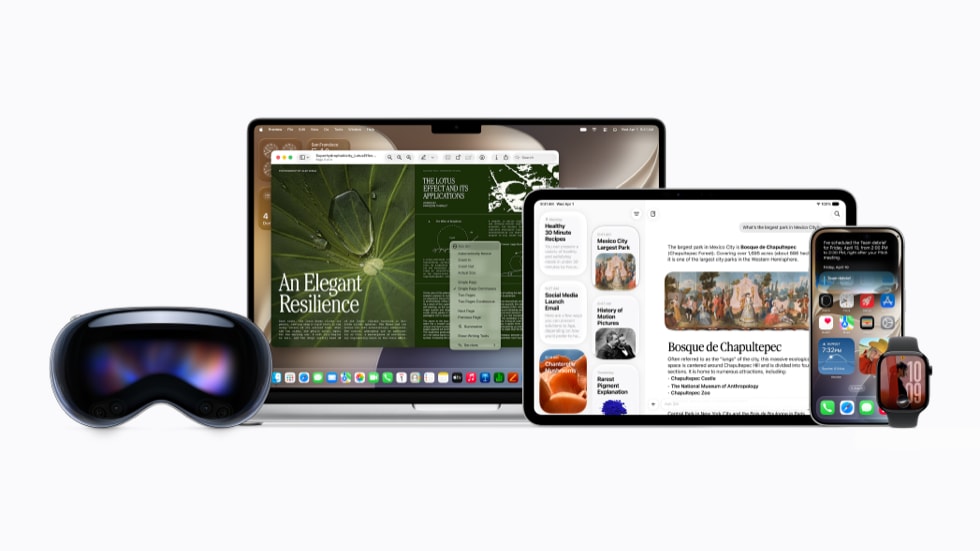
System efficiency receives a significant boost through calibrated AirDrop protocols and accelerated Safari start page loading. Additionally, macOS 27 adds native support for ultrawide 5K displays running at 120Hz. This structural improvement ensures that complex screen arrangements remain persistent even after hardware reconnection. Strategically, the new Liquid Glass UI offers refined contrast and a slider for interface transparency, allowing users to customize their visual environment for maximum focus.

Hardware Constraints and watchOS 27 Integration
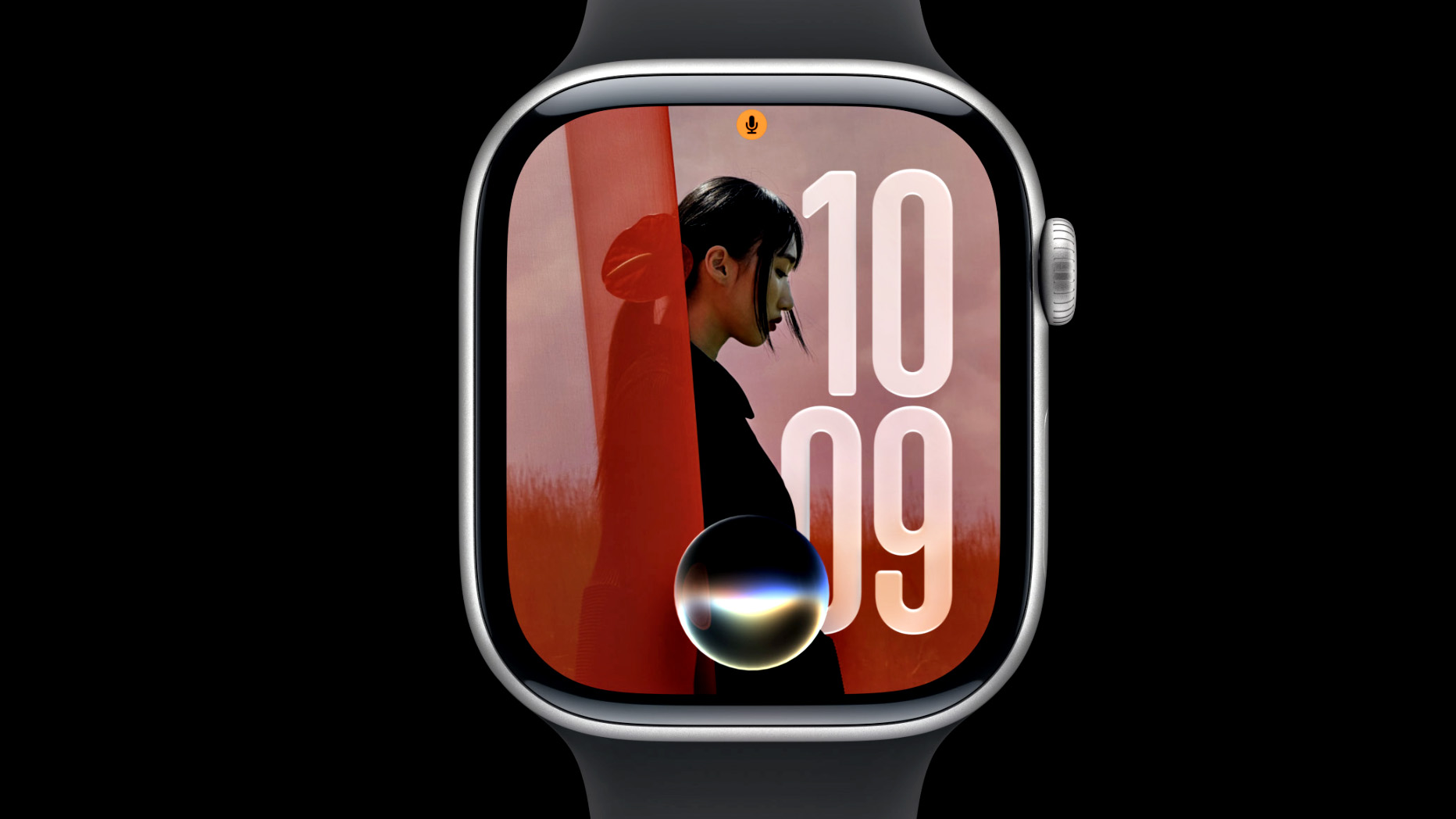
While the basic Siri app runs on M1 chips, advanced “Apple Intelligence” requires at least an M3 processor and 12GB of unified memory. Parallel to the Mac update, watchOS 27 brings Siri AI to the wrist, offering personal context awareness and open-ended query support. Moreover, the “Workout Buddy” feature now provides real-time pace and distance analytics, while the Health app expands its menstrual cycle tracking to include perimenopause support. These updates require a paired iPhone 11 or newer to function at peak efficiency.
The Translation (Clear Context)
Apple is effectively drawing a line in the sand. By “terminating Intel support,” they are shifting the entire Mac ecosystem to ARM-based architecture. This allows for deeper integration of Neural Engines, which are required for local AI processing. “Liquid Glass” isn’t just a skin; it is a UI framework optimized for high-resolution, high-refresh-rate displays that use less energy while maintaining high contrast.
The Socio-Economic Impact
For the Pakistani tech sector, particularly freelancers and software engineers, this creates a hardware lifecycle challenge. While macOS 27 features offer immense productivity gains via AI-assisted PDF analysis and coding aid, the entry cost for M3-level hardware remains a barrier. However, those who invest in this precision hardware will likely see a significant increase in output speed and cross-device efficiency, potentially increasing their competitiveness in the global digital market.
The Forward Path (Opinion)
This development represents a Momentum Shift. Apple is no longer just updating an operating system; they are building a local AI infrastructure. By moving away from Intel and mandating higher memory baselines, they are forcing a standard of performance that will define the next decade of personal computing. It is a bold, structural move that prioritizes future capabilities over legacy compatibility.








