

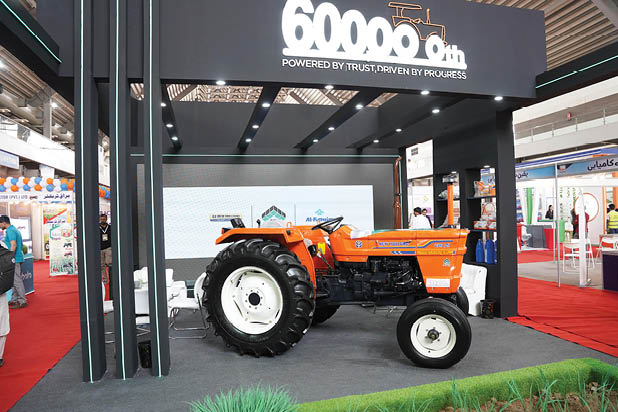
Al-Ghazi Tractors Limited (AGTL) recently reaffirmed its role as a strategic catalyst for agricultural mechanization at the 19th International Agri Asia Exhibition & Conference 2026 in Lahore. By showcasing the advanced NH 850 and celebrating its 600,000th tractor unit, AGTL demonstrated a calibrated approach to enhancing Pakistan’s farming productivity. This participation serves as a vital baseline for the integration of innovative technology into the nation’s primary economic sector.
Scaling Pakistan’s Agricultural Mechanization Baseline
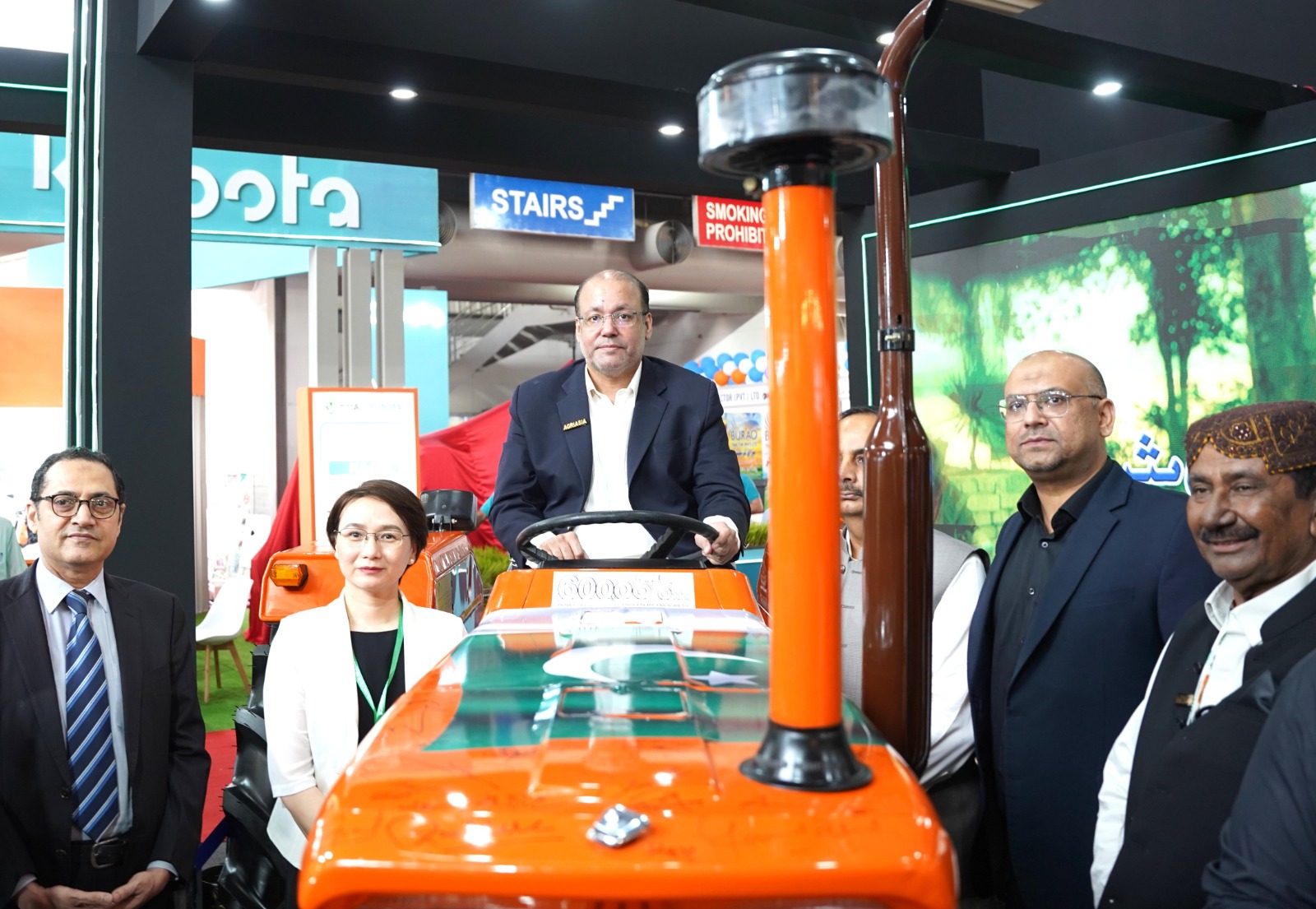
The three-day exhibition functioned as a high-precision platform for industry stakeholders to exchange structural knowledge. Consequently, AGTL’s showcase attracted significant attention from both local officials and international dignitaries. Specifically, Chief Guest Chaudhry Shafay Hussain and Chinese Consul General Sun Yan lauded the NH 850 model for its operational efficiency. Furthermore, the public debut of the 600,000th tractor unit—signed by the assembly team—symbolized a monumental achievement in domestic manufacturing history.

CEO Yasin Seker emphasized that this milestone is not merely a number but a testament to the company’s commitment. Effectively, AGTL aims to provide reliable, innovative solutions that directly improve agricultural yield. The presence of emerging technologies at the stall highlighted a shift toward data-driven and precision-oriented farming across the region.
The Translation: Contextualizing Industry Precision
In technical terms, AGTL is moving beyond traditional manufacturing into systems efficiency. While a tractor is a tool, the NH 850 represents a “mechanized solution” designed to lower the input-to-output ratio for small and large-scale farmers. By reaching the 600,000-unit mark, AGTL is effectively standardizing high-quality machinery across Pakistan’s rural landscapes, ensuring that modern tools are accessible rather than exceptional.

The Socio-Economic Impact: Empowering the Pakistani Citizen
The acceleration of agricultural mechanization has direct consequences for the average Pakistani household. For the rural farmer, precision machinery like the NH 850 reduces physical labor and mitigates crop loss, leading to higher disposable income. For the urban consumer, increased farming productivity stabilizes food prices and secures the domestic supply chain. Ultimately, the transition from manual labor to calibrated mechanization creates high-skill job opportunities in tractor maintenance and agritech sectors.
The Forward Path: Momentum Shift or Stabilization?
This development represents a definitive Momentum Shift. AGTL’s ability to scale production to 600,000 units while simultaneously introducing advanced models like the NH 850 signals a shift toward industrial maturity. To maintain this trajectory, Pakistan must continue to facilitate these technological catalysts through supportive commerce policies. Consequently, AGTL’s focus on innovative mechanization ensures that the country’s agricultural backbone remains structurally sound for future challenges.









