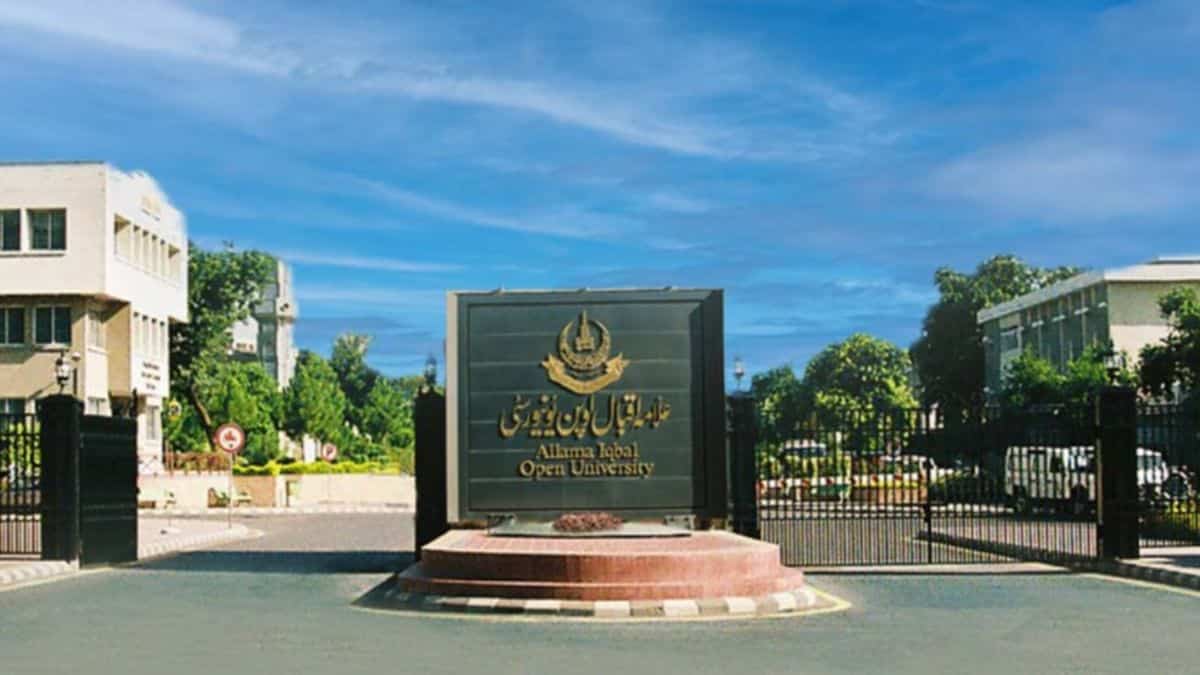
Allama Iqbal Open University (AIOU) has recalibrated its structural framework for the Autumn 2026 academic cycle. Consequently, the institution has implemented rigorous AIOU admission rules for students pursuing HSSC Pre-Medical and Pre-Engineering pathways. This strategic shift ensures that only candidates with a verified baseline in science disciplines enter these critical STEM fields.
Strict Academic Criteria Under New AIOU Admission Rules
The university’s updated policy mandates specific prerequisites to maintain technical standards. Specifically, only students who have successfully cleared their Matriculation with Science subjects are eligible for these programs. Furthermore, the university has established the following non-negotiable requirements:
- Mandatory Science Background: Applicants must have passed all compulsory and elective science subjects in Matric.
- Zero Tolerance for Failure: Students holding an “F” grade in any subject—compulsory or elective—are ineligible for Pre-Medical or Pre-Engineering streams.
- Attested Documentation: The admission form must include an attested copy of the Matric Science certificate. A simple result card will no longer be accepted as a valid credential.
Verification and Digital Compliance
To ensure system efficiency, first-semester students must undergo a precise verification process. The university directs all new admits to have their Matric Science certificates verified by the Inter Board Coordination Commission (IBCC). Once verified, students must upload the digital copy to their CMS account. Failure to complete this baseline requirement will disrupt the issuance of final certificates upon program completion.
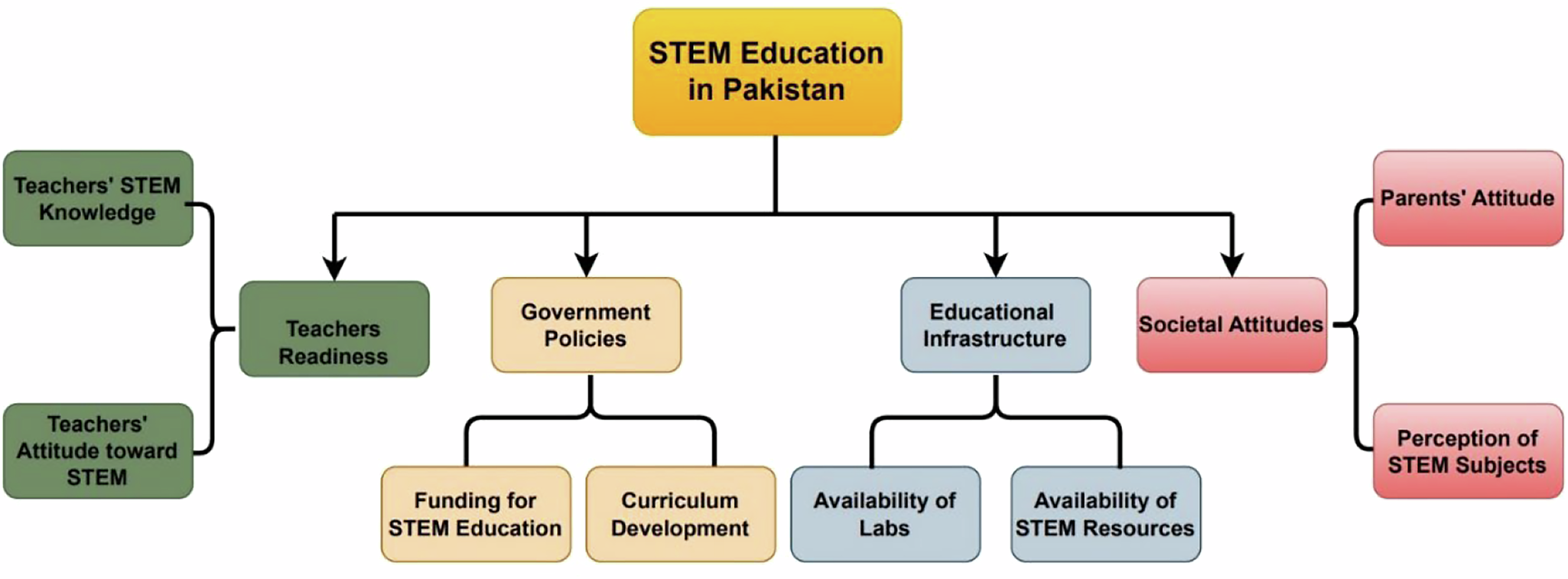
The Translation: What This Means for Students
In plain terms, AIOU is shifting from an “open access” model to a “quality-controlled” model for its science programs. By requiring IBCC verification and excluding students with failing grades, the university is filtering for academic competence. This means that “shortcut” admissions are effectively eliminated; students must prove their foundational knowledge before advancing to higher secondary education.
The Socio-Economic Impact
For the average Pakistani household, these AIOU admission rules provide a catalyst for higher professional standards. By enforcing IBCC verification early, the university protects students from the future trauma of “invalid degrees.” This precision in documentation ensures that graduates from both urban and rural Pakistan can compete on equal footing for medical and engineering university seats, as their credentials will be beyond reproach.
The Forward Path: An Expert Opinion
This development represents a significant Momentum Shift for Pakistan’s education sector. While the stricter rules may initially reduce the volume of admissions, the move stabilizes the integrity of the HSSC certificate. For a nation striving to improve its STEM baseline, prioritizing structural verification over enrollment numbers is a necessary step toward global academic recognition.