
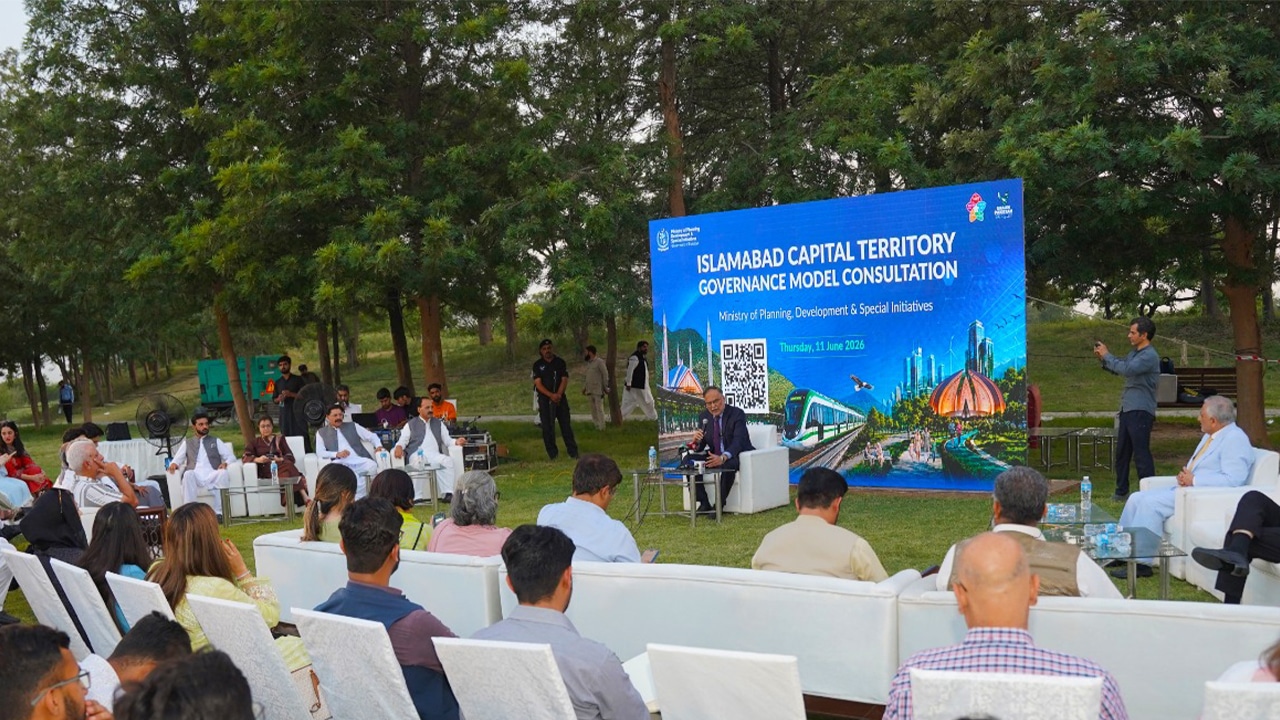
The evolution of a nation’s capital serves as a baseline for its structural efficiency and democratic maturity. Federal Minister Prof. Ahsan Iqbal recently unveiled the Islamabad Governance Reform, a strategic proposal designed to transition the federal capital into a modern, citizen-led, and globally competitive model city. Consequently, this initiative seeks to dismantle outdated administrative silos in favor of a democratic system where residents hold direct influence over their local leadership.
Architecting the Islamabad Governance Reform
At the heart of this calibrated shift is the establishment of a 27-member Islamabad Capital Territory (ICT) Assembly. This body will include 21 directly elected seats, five reserved for women, and one for minorities. Furthermore, the assembly will be empowered to elect a Chief Minister or Mayor, providing the capital with an executive head who is directly accountable to the 2.4 million residents of the territory. This structural adjustment ensures that the capital’s growth is managed with precision and transparency.

Specialized Authorities for System Efficiency
The proposal moves beyond simple electoral changes to introduce specialized management layers. Under the new ICT Government, six distinct authorities will be established to handle the complexities of a modernizing city:
- ICT Health Authority: Precision management of public health systems.
- ICT Education Authority: Calibrating academic standards for the next generation.
- Digital and E-Governance Authority: Driving the SMART city vision through data integration.
- Environment and Climate Authority: Safeguarding the “Nature Capital” status.
- Social Welfare and Inclusion Authority: Ensuring equitable growth for all demographics.
- Tourism and Culture Authority: Positioning Islamabad as a national heritage hub.
The Translation: From Bureaucracy to Representation
Currently, Islamabad is managed through a fragmented mix of federal ministries and administrative bodies that often lack direct accountability to the people. The Islamabad Governance Reform translates these technical complexities into a clear representative model. By granting the ICT Government administrative and financial independence comparable to a province, the plan shifts the catalyst of power from appointed officials to elected representatives. This ensures that every rupee spent on the city’s infrastructure is overseen by those who live within its limits.
Socio-Economic Impact: Empowering the 2.4 Million
For the average Pakistani citizen in Islamabad, this reform represents a significant upgrade in quality of life. The decentralization of education and health services means faster response times and localized problem-solving. Students and professionals will benefit from the “SMART City” vision, which utilizes digital infrastructure to streamline waste management, traffic planning, and public feedback. Ultimately, this creates a more resilient economic environment, attracting investment and fostering a culture of innovation within the city’s urban and rural sectors.
The Forward Path: A Momentum Shift
This development represents a definitive Momentum Shift for Pakistan. Moving the capital from a centrally administered territory to a democratic urban government is a bold move toward 21st-century governance. While the Federal Government will maintain control over law and order and master planning, the devolution of social services is a necessary catalyst for progress. If executed with precision, Islamabad will not only serve as the seat of power but also as the benchmark for sustainable urban development across the region.








