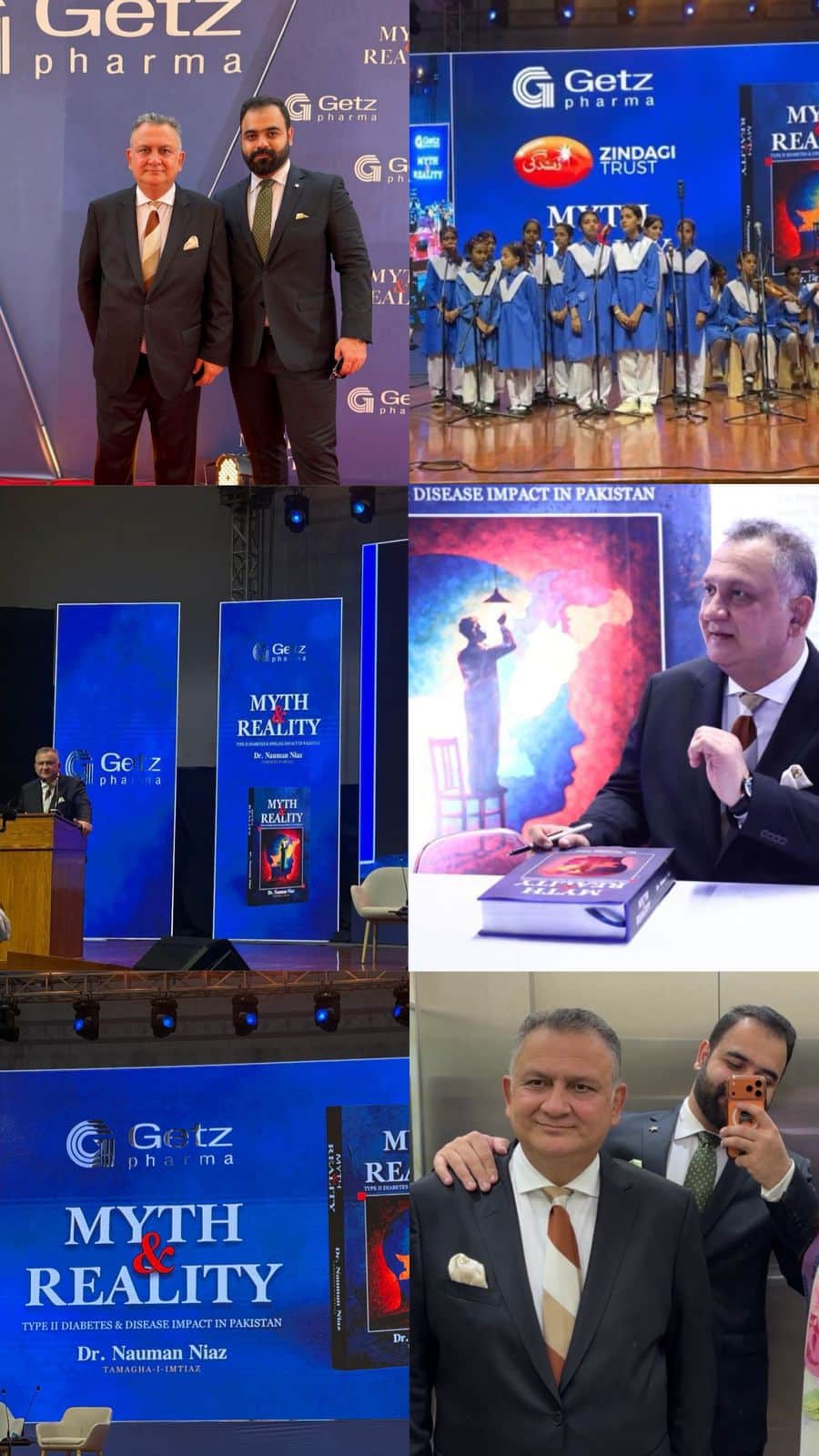
Pakistan faces a calibrated health crisis that demands immediate precision in public health education. Consequently, Dr. Nauman Niaz (TI) has authored his nineteenth book to confront Type 2 Diabetes Myths through a unique fusion of clinical evidence and humanistic art. This publication serves as a strategic catalyst for change in a nation carrying one of the world’s heaviest diabetic burdens. Millions of Pakistanis live with undiagnosed conditions, making this intellectual intervention a vital baseline for national advancement.
Precision Beyond the Clinic: A Human-Centric Diagnostic
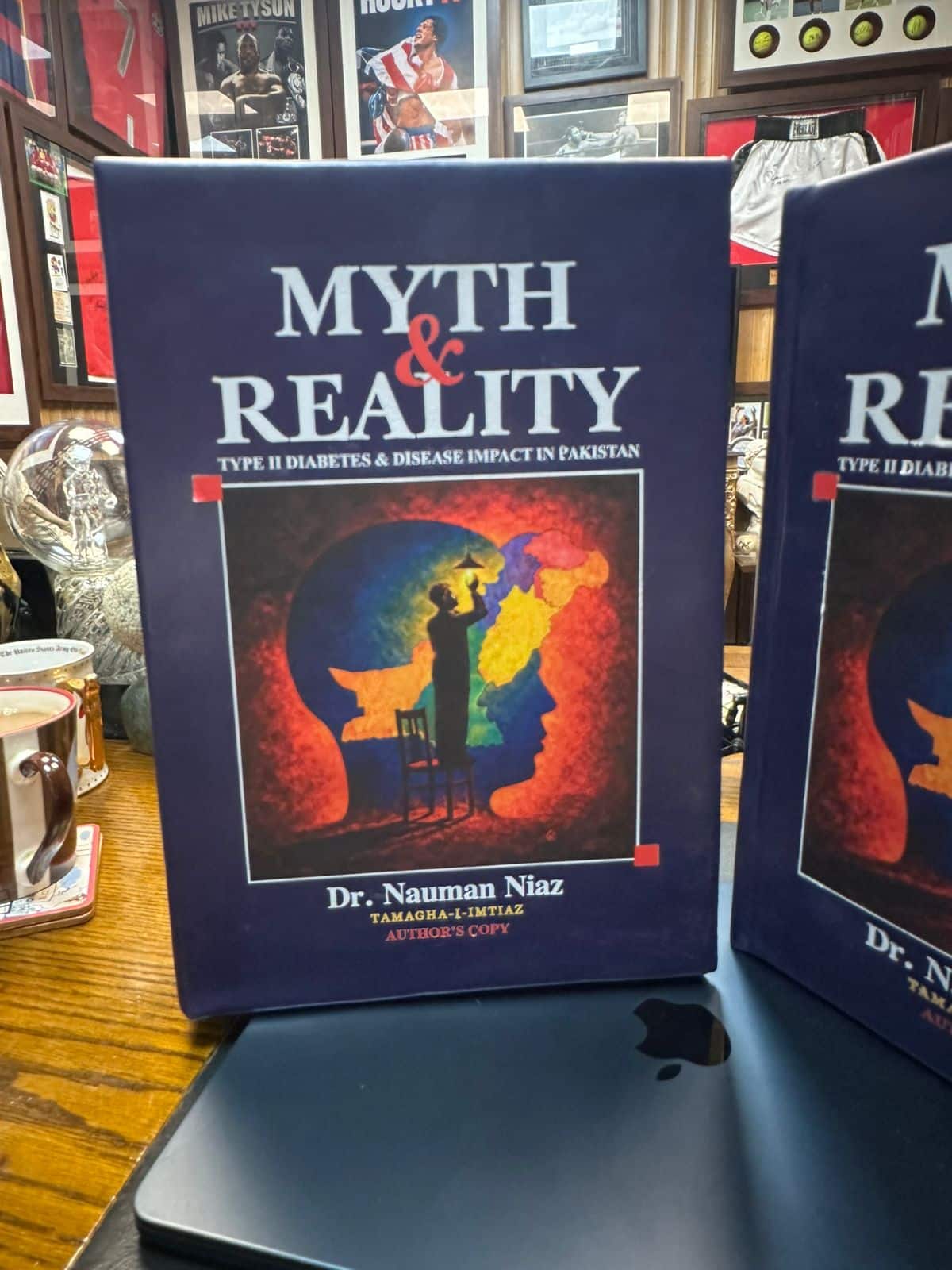
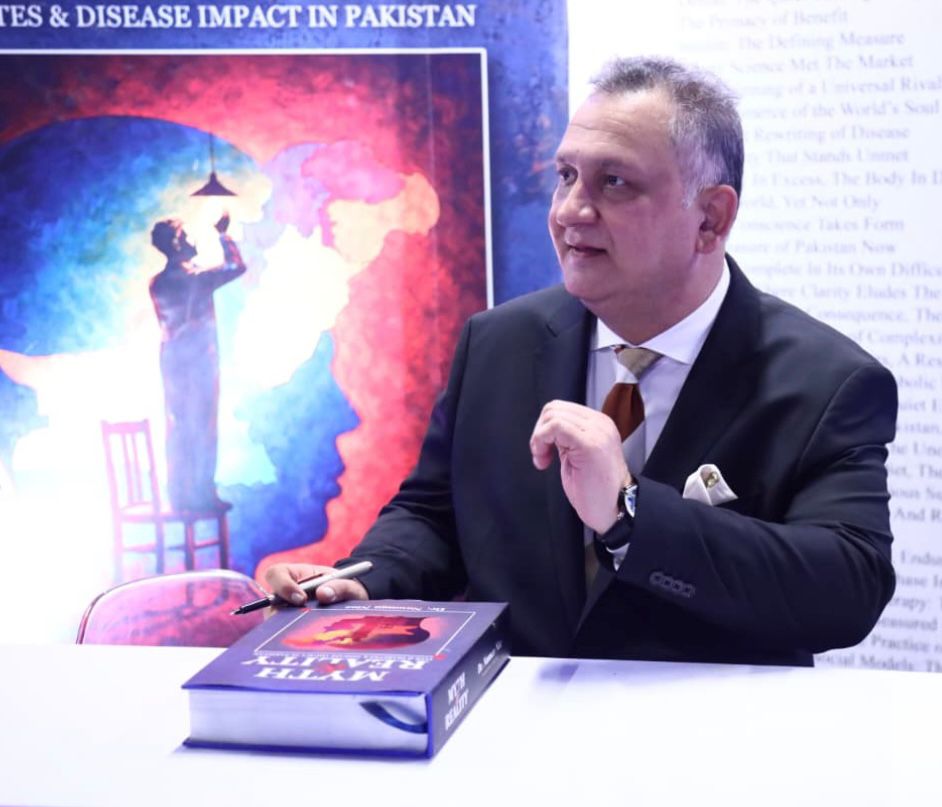
Dr. Niaz avoids traditional academic distance by integrating hand-painted art into medical discourse. While artificial intelligence generates imagery at a keystroke, this volume prioritizes deliberate visual expression. These human-origin paintings are inseparable from the medical ideas they serve. This structural choice transforms a standard textbook into a genuine rarity in contemporary medical publishing.
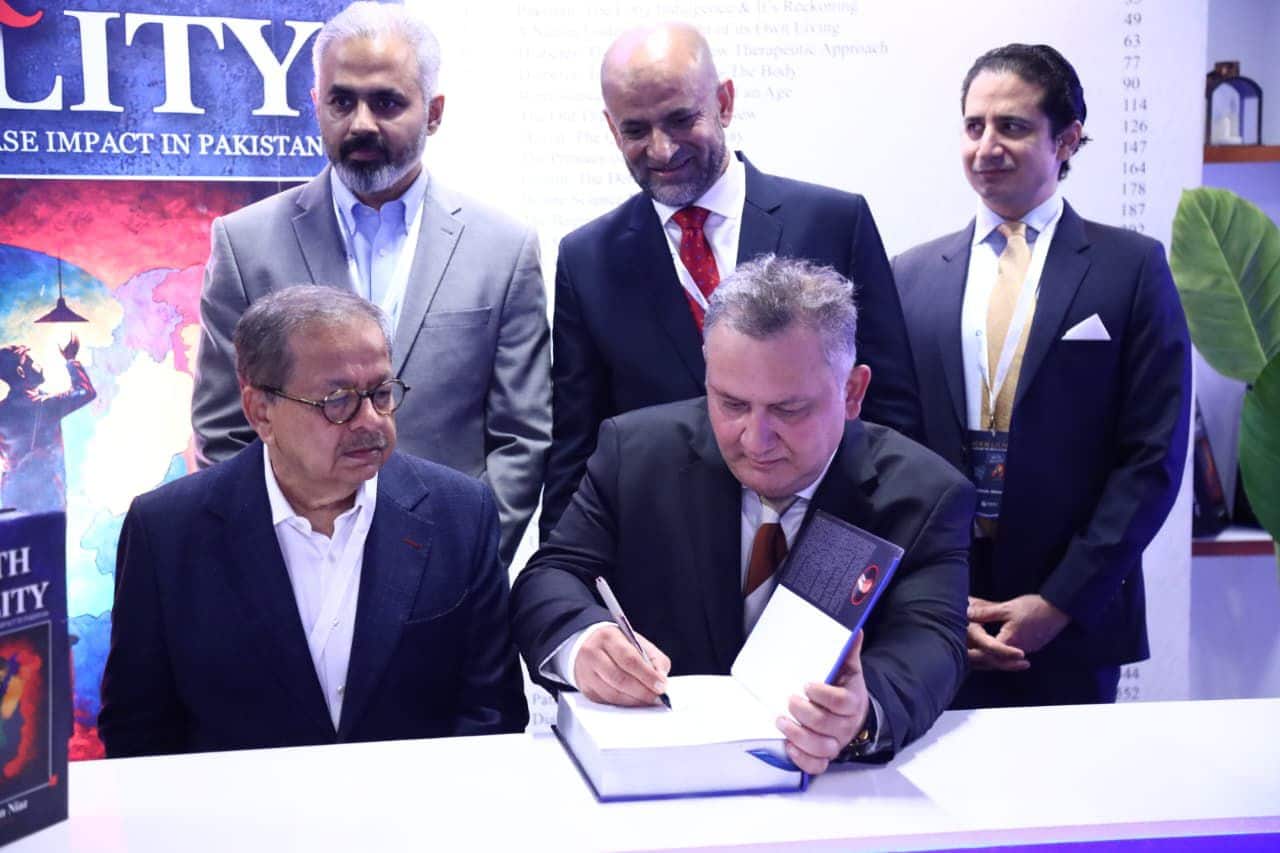
Getz Pharma launched “Myth & Reality: Type 2 Diabetes” as a socio-economic contribution rather than a commercial exercise. Under the leadership of Khalid Mahmood, the initiative reflects a progressive investment in national philanthropy. Mahmood, a known bibliophile, supports vocational centers and unknown artists, aligning corporate strategy with social empowerment.
Strategic Engagement with Type 2 Diabetes Myths
The author brings dual motivations to this project: personal legacy and intellectual evolution. Although his name is synonymous with cricket, Dr. Niaz sought to calibrate his professional standing within endocrinology. He successfully fused statistics and clinical predicaments with expressive writing to ensure the content remains accessible to the common reader.
This book targets a broad spectrum of stakeholders, including patients, pharmacists, and specialist physicians. It addresses the Type 2 Diabetes Myths prevalent in Pakistan, such as the reliance on quackery and unverified herbal practices. By examining elite athletes managing the disease, Niaz proves that discipline and adaptation can override a diagnostic baseline.
The Situation Room Analysis
The Translation (Clear Context)
Traditional medical texts often reside behind a barrier of technical jargon that excludes the average citizen. Dr. Niaz translates complex metabolic data into a narrative that bridges the gap between the lab and the living room. By debunking common Type 2 Diabetes Myths, the book provides a structural framework for patients to understand the logic behind their treatment plans. This transparency is essential for improving system efficiency in Pakistan’s healthcare delivery.
The Socio-Economic Impact
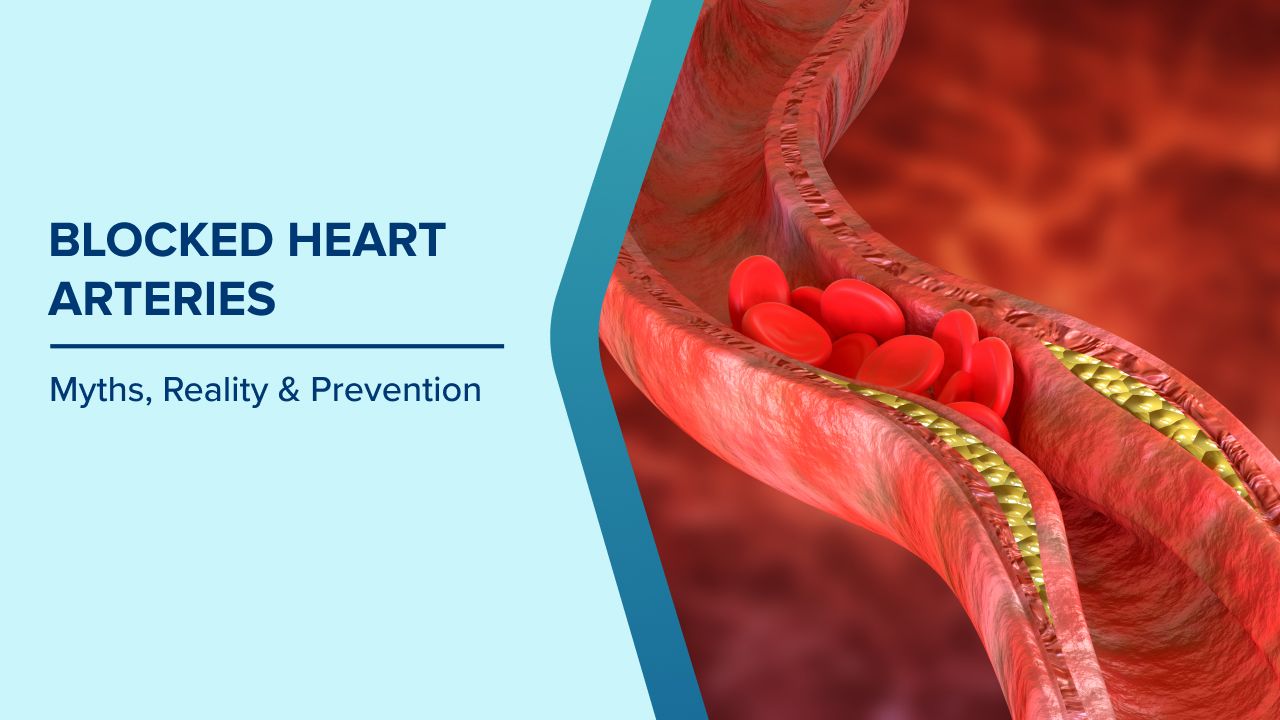
Diabetes acts as a silent drain on the Pakistani economy, straining hospital resources and depleting household savings. Families often face financial collapse due to late-stage complications that were preventable through early literacy. This book empowers the urban professional and the rural worker alike to identify symptoms before they escalate into high-cost medical emergencies. Consequently, higher health literacy directly correlates with increased national productivity and reduced domestic financial stress.

The Forward Path (Opinion)
This development represents a significant Momentum Shift for Pakistan. Moving away from purely transactional medical publishing toward art-integrated, accessible science is a visionary move. It establishes a new baseline for how medical professionals should communicate with the public. To ensure long-term progress, we must treat health literacy as a strategic asset for national stability.