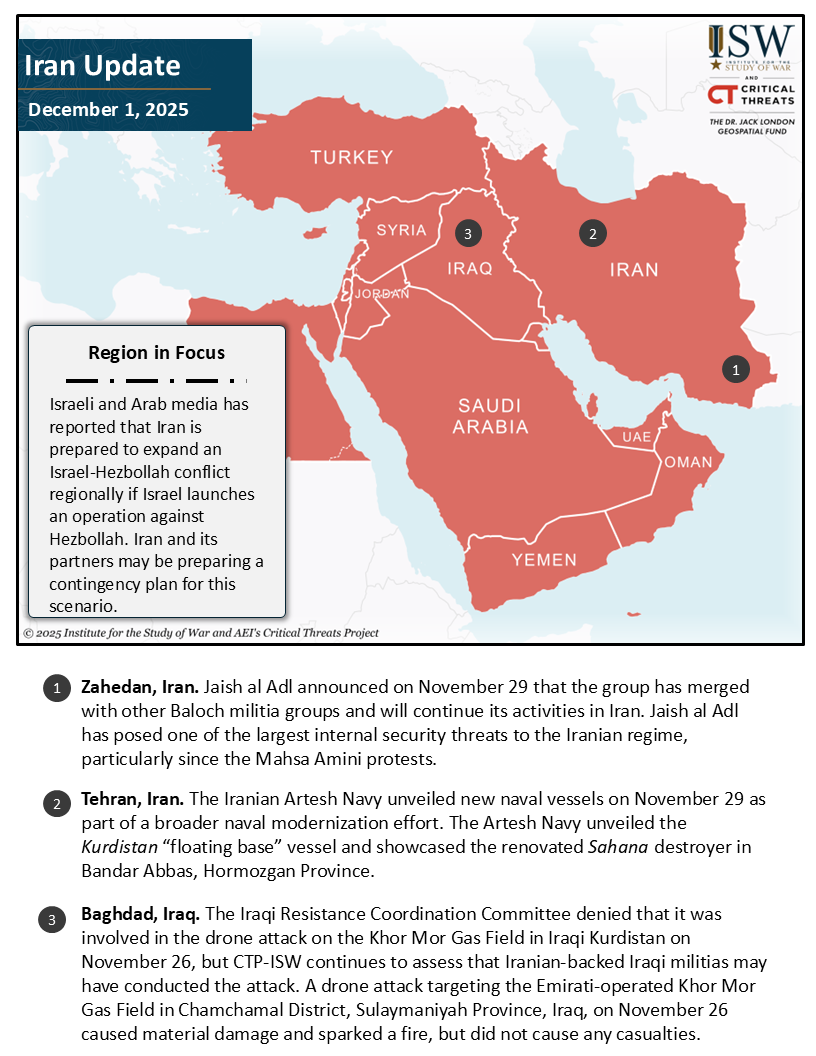
The geopolitical landscape of the Middle East is undergoing a significant recalibration as Israel’s opposition leader, Yair Lapid, publicly endorsed an expansive vision for **Israel territorial expansion**, rooted in Zionist ideology and biblical interpretations. This strategic discourse, further amplified by remarks from former US Ambassador Mike Huckabee, introduces a structural shift in regional dialogue, prompting critical responses from nations like Saudi Arabia. Consequently, this development necessitates a precise examination of its potential impacts on stability and future diplomatic baselines across the region.
The Translation: Deconstructing Israel’s Territorial Ambitions
Lapid’s declaration articulates a foundational political stance, asserting that biblical mandates clearly define Israel’s rightful territory, extending far beyond current recognized borders. This perspective posits a historical and religious justification for a “vast, secure homeland,” positioning it as an ideological blueprint rather than mere political rhetoric. Furthermore, this internal Israeli debate gains external traction following Mike Huckabee’s support for Israel controlling extensive parts of the Middle East, including Lebanon, Syria, Jordan, and segments of Saudi Arabia. These statements collectively translate into a proposition for a fundamental redrawing of regional boundaries, driven by specific interpretations of religious and historical claims.

The Socio-Economic Impact: Regional Stability and Pakistani Households
Such discourse on **Israel territorial expansion** introduces measurable instability, directly impacting the daily lives of Pakistani citizens. Geopolitical tensions in the Middle East invariably affect global energy markets, leading to potential surges in oil and gas prices. For Pakistani households, this could mean higher transportation costs, increased utility bills, and inflationary pressures on essential goods. Professionals and students in urban centers face economic uncertainty, while rural communities may experience disruptions in supply chains for imported goods. Consequently, a destabilized region diverts critical investment and resource allocation away from developmental projects, thereby impeding progress and reducing opportunities for a burgeoning Pakistani workforce.

The “Forward Path”: Assessing Geopolitical Momentum
This development represents a **Stabilization Move** rather than a Momentum Shift, albeit one calibrated to consolidate an existing ideological framework. While it introduces new regional tensions, Lapid’s acknowledgment of practical security and policy limits suggests a strategic balancing act. The public articulation of these expansionist views aims to solidify internal political alignment and project a strong stance internationally, rather than signaling immediate, widespread military actions. Therefore, it is a foundational articulation for long-term strategic positioning, seeking to normalize an expanded territorial narrative within the global discourse. For Pakistan, this mandates a robust, proactive diplomatic posture to safeguard regional interests and promote peace.

Analyzing the Discourse on Israel’s Expansive Ambitions
Lapid’s argument hinges on a precise interpretation of religious scripture, positioning Israel’s territorial mandate as divinely ordained. He explicitly stated that biblical borders define his vision for Israel’s rightful land, though he concurrently acknowledged pragmatic constraints from security and state policy. This duality indicates a calibrated approach, articulating an aspirational goal while recognizing the complex realities of modern statecraft. Furthermore, his support for plans providing a “vast, secure homeland” is consistent with historical Zionist tenets, reinforcing a long-standing ideological commitment. This discourse actively shapes the national conversation regarding sovereignty and future geopolitical alignments.
International Repercussions: The US Stance and Regional Response
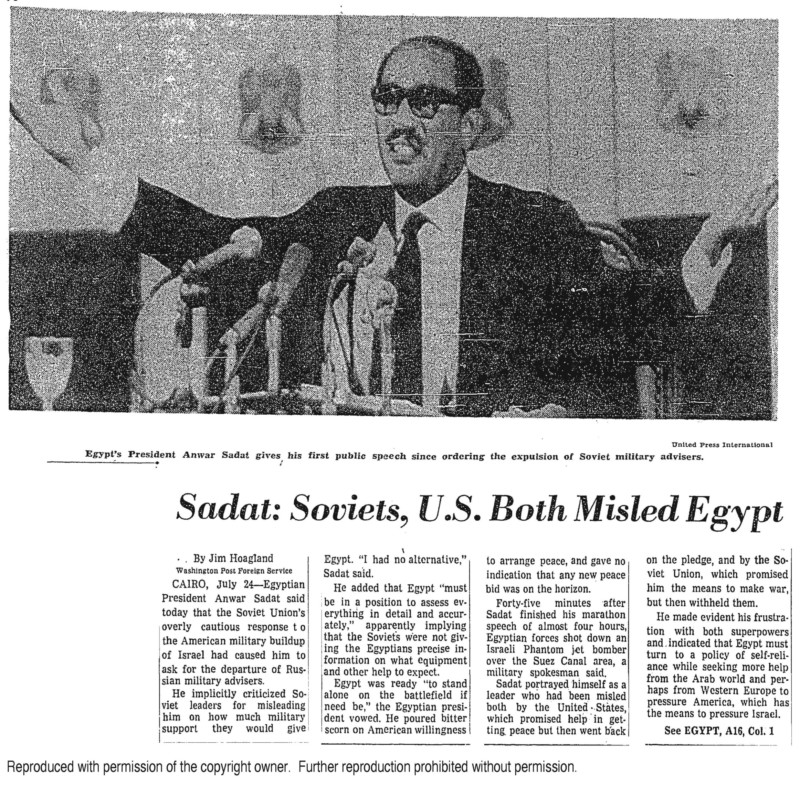
The intervention of former US Ambassador Mike Huckabee into this debate introduced an external catalyst, sparking immediate regional backlash. Huckabee’s interview remarks, suggesting US support for Israel controlling territory “from the Euphrates River to the Nile,” were met with strong condemnation. Saudi Arabia’s Foreign Ministry critically labeled these comments “extremist and unacceptable,” urging immediate clarification from the United States government. Consequently, the US Embassy issued a statement clarifying that Huckabee’s remarks were “taken out of context” and affirming no change in official US policy. This diplomatic exchange underscores the extreme sensitivity surrounding any discussion of Middle East regional control, particularly when touching upon established international boundaries and sovereign claims.