
Optimizing Pakistan’s Grid: A Strategic Imperative for Lower Electricity Bills
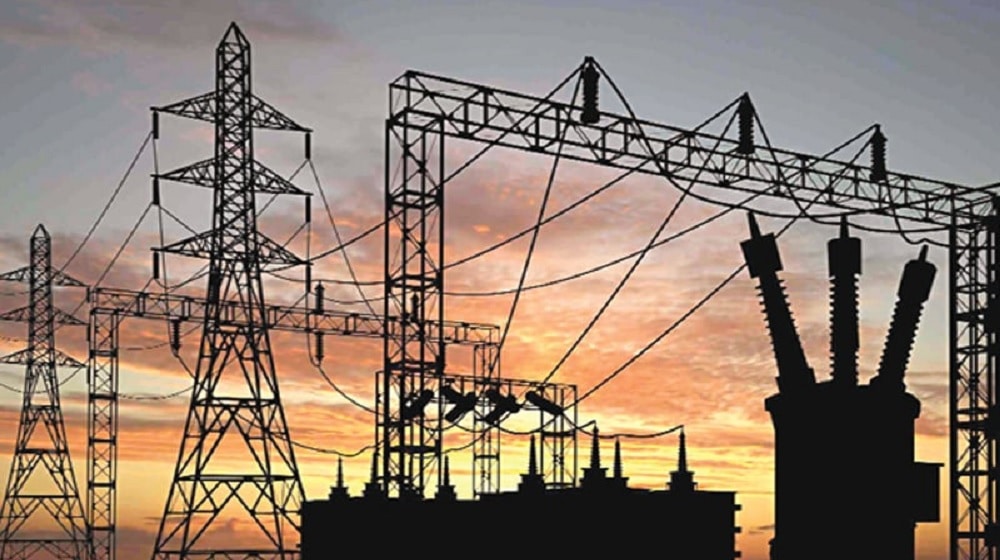
The National Electric Power Regulatory Authority (NEPRA) has issued a critical warning: Pakistan’s antiquated power transmission system is directly elevating national electricity costs. This structural inefficiency compels the nation to disproportionately rely on expensive generation sources, thereby increasing electricity bills Pakistan for both households and vital industries. Consequently, a calibrated approach is essential to stabilize energy pricing and secure economic advancement.
The Translation: Deconstructing Transmission Inefficiencies
NEPRA’s fiscal year 2025 performance evaluation precisely identifies key systemic vulnerabilities. Overloaded grid stations, protracted project delays, and suboptimal inter-utility coordination are primary culprits. These issues structurally impede the efficient distribution of more economical electricity. Furthermore, the report highlights a critical disruption to the economic merit order system, which dictates prioritizing cheaper power sources. Instead, transmission constraints force the activation of high-cost power plants, thereby escalating overall expenditures for the consumer.
A significant observation within the report underscores weak connectivity between K-Electric and the national grid. This specific gap further exacerbates distribution inefficiencies. Consequently, many grid stations and transformers are operating consistently above 80% capacity. Such elevated operational loads structurally increase the risk of voltage instability, potential equipment damage, and ultimately, system-wide breakdowns. This diagnostic clarifies the precise mechanisms driving higher energy costs.
The Socio-Economic Impact: Calibrating Daily Life for Pakistani Citizens
For the average Pakistani citizen, these transmission shortcomings translate directly into higher monthly electricity bills Pakistan, impacting household budgets and economic stability. Students face potential disruptions to online learning due to unreliable power, while professionals in urban centers experience increased operational costs for businesses reliant on consistent energy. In rural Pakistan, where economic margins are often tighter, the magnified burden of expensive electricity can significantly strain household finances, curtailing essential expenditures. Furthermore, industries grappling with these elevated power costs often pass them onto consumers, initiating a cascading effect of inflation across various sectors. This systemic inefficiency thereby constrains national productivity and individual financial autonomy.
The Forward Path: A Stabilization Move with Momentum Potential
This development represents a critical “Stabilization Move.” NEPRA’s comprehensive report provides precise data, establishing a baseline for targeted interventions. Addressing these structural deficiencies is not merely about cost reduction; it is about building a more resilient, efficient, and equitable energy infrastructure. Achieving a true “Momentum Shift” requires a strategic, multi-faceted action plan. This plan must prioritize timely infrastructure upgrades, enhance inter-utility coordination, and rigorously enforce project completion schedules. Only through such disciplined execution can Pakistan transform current liabilities into a robust energy future and a more stable energy landscape.








