

A critical analysis reveals a significant decline in Pakistan’s rice exports during the first half of the current fiscal year. This calibrated economic shift primarily stems from a nearly 50 percent drop in global rice prices. The market dynamics were fundamentally altered by increased global rice production and India’s strategic re-entry into the export arena following prior restrictions. Consequently, Pakistan now faces a price disparity of approximately $20 per ton compared to Indian rice, impacting its competitive position within the international market.
The Translation: Deconstructing Global Rice Market Forces
Understanding these market forces is crucial for agricultural planning. Initially, the decline in Pakistan’s rice exports was a direct consequence of an oversupply in the international market. The global landscape changed dramatically when India, a major rice producer, lifted its export restrictions from 2023-24. This action injected a substantial volume of rice into the market, driving prices down across the board. Furthermore, Pakistan currently maintains considerable rice stocks, valued at around $2 billion. Interestingly, a significant portion of these stocks was acquired by various stockists, including investors from the real estate sector, indicating diverse economic interests in the commodity.
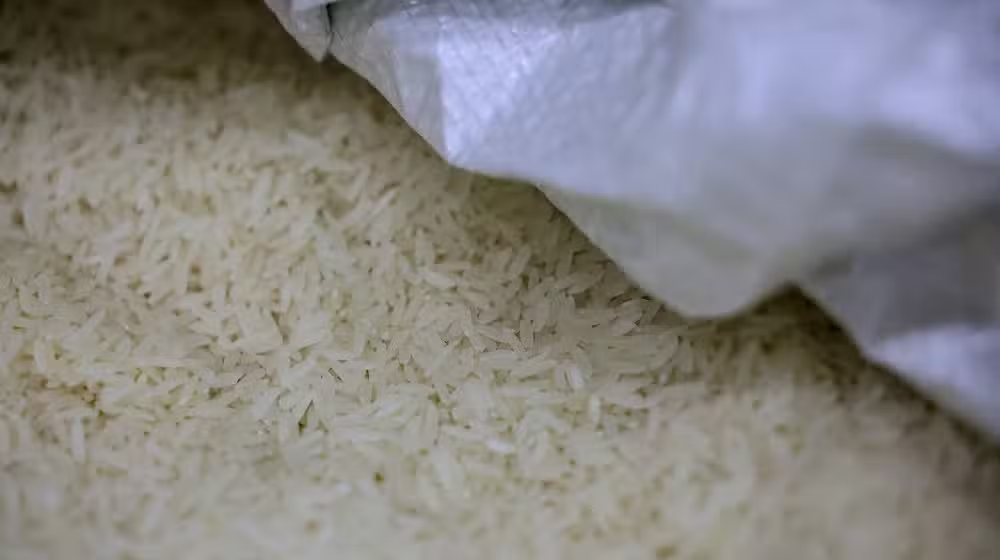
Moreover, recent revelations highlight an intriguing challenge: Pakistani basmati rice is being marketed in Iran under the designation of “basmati bread.” This mislabeling potentially obscures the origin and value of Pakistani produce. The National Assembly Standing Committee on Commerce was specifically informed about these intricate market conditions and the resultant pressures on the national export sector.

The Socio-Economic Impact: Daily Life Adjustments
This export adjustment has tangible implications for Pakistani citizens. For farmers, particularly those in rural areas, reduced global prices and demand translate into lower revenues, affecting their livelihood and investment capacity for future crops. Consequently, this could influence the availability and pricing of staple foods domestically. Households in both urban and rural Pakistan might observe stabilized or slightly reduced retail rice prices due to the national surplus, although the long-term economic stability of the agricultural sector remains a concern.
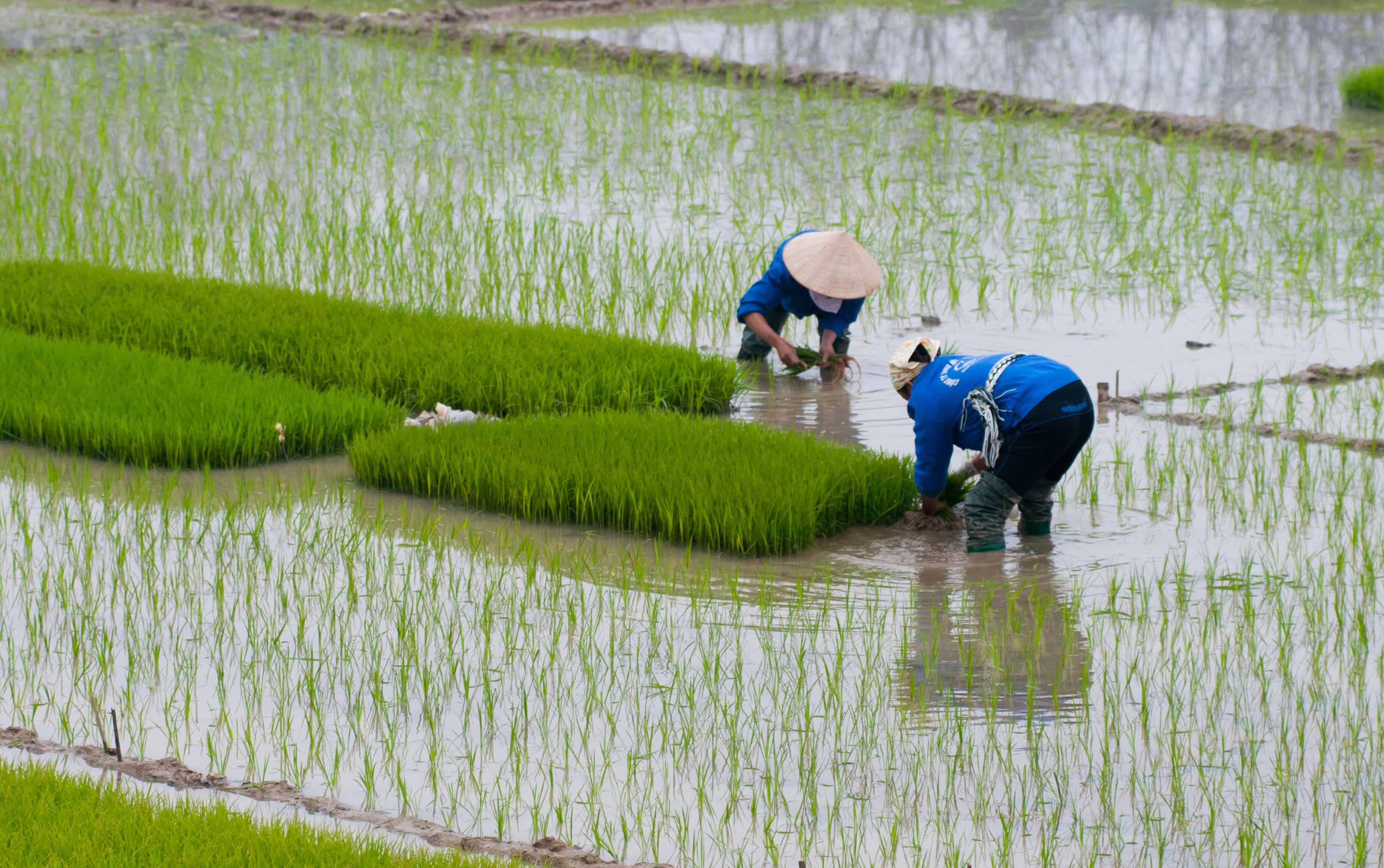
Professionals involved in the agricultural supply chain, from millers to exporters, are directly impacted by decreased international competitiveness. The committee’s discussion regarding the release of Rs. 15 billion from the Export Development Fund to rice exporters highlights a proactive measure. This financial intervention aims to provide targeted relief, ensuring the sector’s continuity. Previously, the textile sector frequently received similar support; therefore, this marks a new baseline for the rice industry, aiming to mitigate immediate economic shocks.
The “Forward Path”: Momentum Shift or Stabilization Move?
This development represents a Stabilization Move for Pakistan’s agricultural economy. While the decline in Pakistan’s rice exports poses a significant challenge, the government’s response, including the Rs. 15 billion relief package, indicates a calibrated effort to cushion the immediate impact. This strategy aims to prevent a deeper crisis rather than drive new growth. For a genuine Momentum Shift, a more structural re-evaluation of export strategies, market diversification, and value-added product development is essential. The current actions are crucial for maintaining the existing framework, yet innovation in international market penetration and product branding, especially concerning issues like “basmati bread,” will define Pakistan’s future competitiveness in the global rice trade.










