Precision Strike: Notorious Drug Kingpin El Mencho Killed
A calibrated military operation in Mexico has neutralized Nemesio Oseguera Cervantes, known as “El Mencho,” a pivotal figure in global drug trafficking and leader of the Jalisco New Generation Cartel (CJNG). This strategic intervention, confirming El Mencho killed in clashes within Jalisco state, marks a significant disruption to transnational illicit networks. The immediate aftermath saw localized volatility, yet the broader implications suggest a potential recalibration of regional security dynamics. This critical development impacts not just cartel operations but also influences public safety and international anti-narcotics efforts. The confirmed reports of El Mencho killed signal a critical turning point.
The Translation: Deconstructing Cartel Disruption
The elimination of “El Mencho” represents more than just a single arrest; it signifies a structural blow to a sophisticated criminal enterprise. He commanded the Jalisco New Generation Cartel, an organization with extensive reach in drug trafficking, notably in the distribution of fentanyl into the United States. This prominent Mexico cartel leader was a central target. Furthermore, the Mexican defense ministry reported that four suspected CJNG members were also killed during this targeted operation, with three soldiers sustaining injuries. This outcome underscores the high-stakes nature of such anti-narcotics interventions.
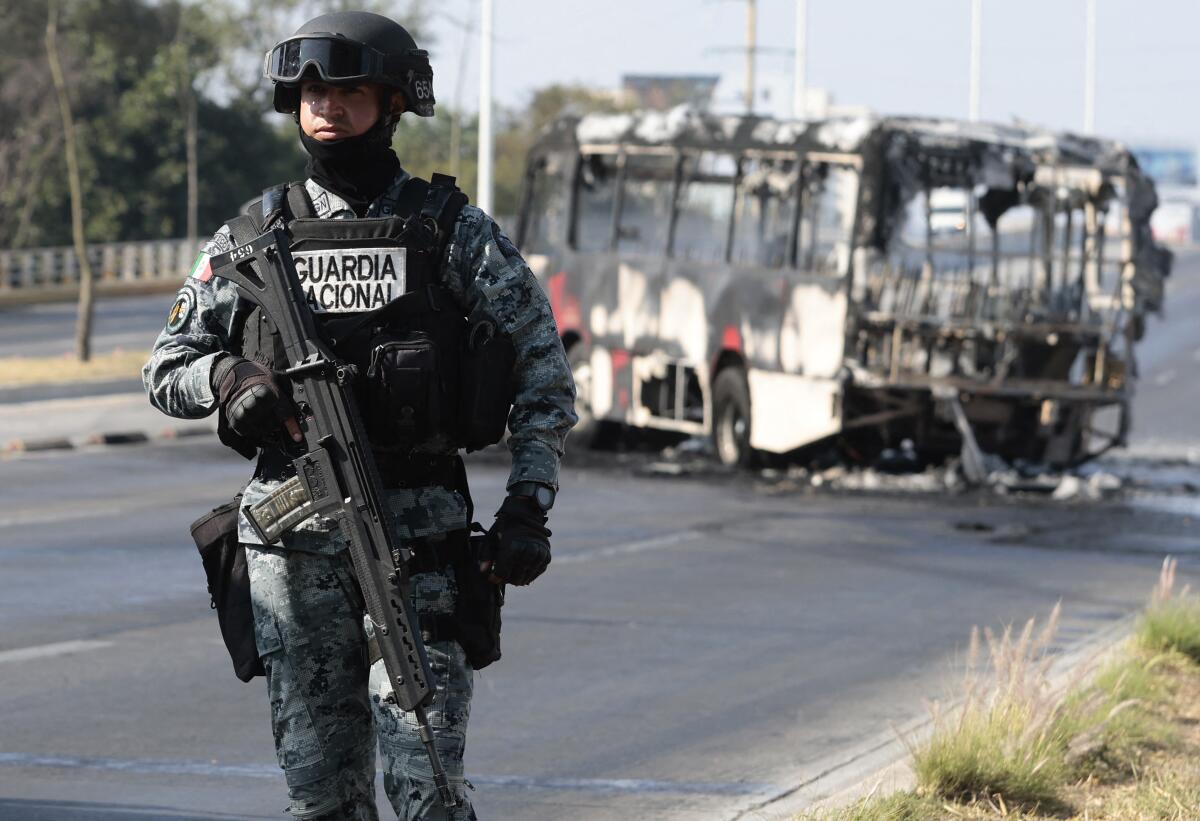
Following the operation, widespread retaliation actions commenced, predominantly in Jalisco and surrounding regions. Cartel-linked groups initiated roadblocks, torching vehicles to impede traffic flow. Reports indicated smoke visible over cities like Guadalajara, a planned host city for the upcoming FIFA World Cup. Consequently, Jalisco’s governor declared a state-wide “code red,” suspending public transport and in-person classes to mitigate risk to citizens. Such immediate, reactive violence highlights the intricate challenges associated with disrupting established criminal structures.

Socio-Economic Impact: Calibrating Citizen Security
How does the strategic targeting of a major cartel leader change the daily life of a Pakistani citizen, by analogy? This event directly impacts public safety and economic stability. For instance, the declaration of a “code red” in Jalisco meant halted public transport and suspended classes. This directly disrupted the routines of students and professionals, analogous to how security incidents in any nation can paralyze daily commerce and education.
The subsequent violence, including arson attacks on shops and assaults on bank branches, demonstrates the immediate economic toll. Small businesses face destruction, and financial institutions experience direct threats. Furthermore, the disruption to air travel, with flights cancelled to Jalisco, illustrates a broader economic ripple effect. This necessitates robust emergency response protocols and robust security infrastructure to safeguard citizens and maintain economic continuity, particularly in urban and rural areas where such disruptions can have severe consequences.
The “Forward Path”: A Momentum Shift in Anti-Narcotics
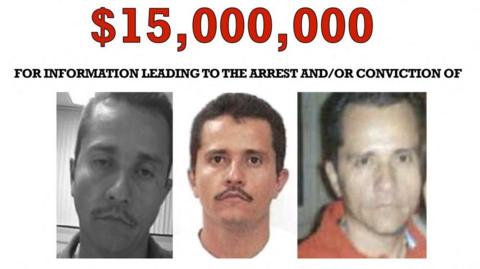
This development represents a Momentum Shift rather than merely a Stabilization Move. The targeted elimination of such a high-profile figure, especially one with a $15 million US bounty, indicates an escalated, precise anti-narcotics strategy. It underscores the enhanced intelligence capabilities and collaborative efforts between international partners, as evidenced by US intelligence support for the operation.
While immediate retaliatory violence is an expected operational consequence, the removal of a central command figure like El Mencho fundamentally disrupts cartel leadership and operational cohesion. This creates a strategic vacuum, potentially leading to internal power struggles or fragmentation. Consequently, it offers a critical opportunity for law enforcement agencies to further dismantle the broader drug trafficking infrastructure. This action could serve as a catalyst for long-term systemic efficiency in combating organized crime.

Strategic Insights: Data-Driven Security Enhancements
The national security cabinet’s rapid response and the reported arrest of 25 individuals demonstrate effective post-operation containment. These arrests, spanning from violent acts to looting, provide valuable intelligence. President Claudia Sheinbaum’s directive for coordinated state and federal agency action emphasizes a unified security posture. Relying on verified updates also combats misinformation, a crucial element in maintaining public order during crises.
Such incidents necessitate continuous investment in sophisticated surveillance, intelligence gathering, and rapid deployment capabilities. The transient nature of cartel operations demands an adaptive security framework. Therefore, the strategic outcome of this particular military operation Mexico extends beyond immediate arrests, aiming to establish a baseline for future deterrence and national advancement in security protocols.