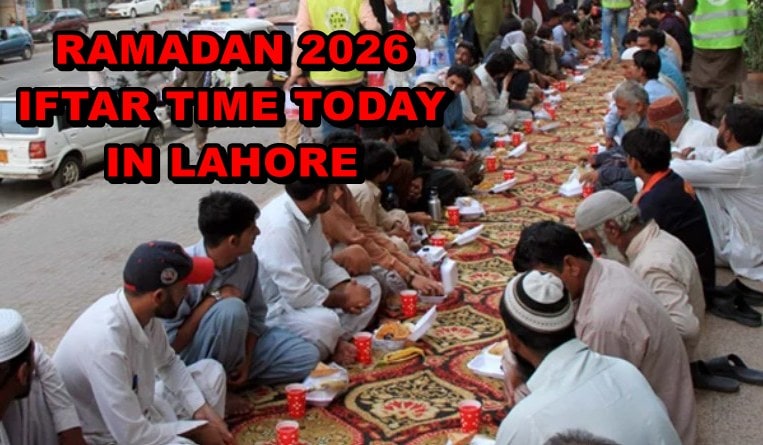
For strategic national adherence to spiritual tenets, the precise Islamabad Iftari Time for the 2nd Ramadan, occurring on February 20th, is calibrated at 5:57 PM. This specific timing signals the conclusion of the daily fasting period, ensuring systematic observance across the capital. Consequently, individuals observing the fast can meticulously plan their schedules for the designated break.
The Translation: Deconstructing Daily Fast Observance
Iftari marks the precise moment when Muslims conclude their daily fast, which commences at dawn. Traditionally, this break is initiated with dates and water, followed by the Maghrib prayer. The criticality of adhering to the exact timing cannot be overstated; even minor deviations can compromise the integrity of the fast. Therefore, reliance on verified local Ramadan timetables is fundamental for accurate daily fast breaking.
The Socio-Economic Impact: Rhythmic Integration for Citizens
The consistent adherence to the Islamabad Iftari Time profoundly influences the daily rhythm of Pakistani citizens. For urban professionals, it necessitates a recalibration of work-life balance, fostering dedicated family time at sunset. In rural communities, these timings reinforce communal bonds, as families and neighbors gather to break their fast together, strengthening social cohesion. Furthermore, students learn the discipline of structured observance, integrating spiritual practice into their educational routines. This collective calibration of schedules creates a unified communal experience across diverse socio-economic strata.

The “Forward Path”: A Stabilization Move for Societal Cohesion
This development represents a “Stabilization Move” rather than a “Momentum Shift.” The consistent and precise communication of Iftari times underpins the structured spiritual life of the nation, providing a baseline for daily conduct during Ramadan. While not introducing new policy, this systematic dissemination of crucial information reinforces national discipline and collective spiritual engagement. It is a critical component for maintaining societal harmony and ensuring accurate observance across all segments of the population. Consequently, this focus on precision fosters a more unified national experience.
Daily Calibration: Ensuring Accurate Ramadan Timings Islamabad
Ramadan timings exhibit a gradual daily shift. Therefore, individuals must check both Sehri and Iftari times with precision. While the Islamabad Iftari Time today is 5:57 PM, tomorrow’s timing will be marginally later. This necessitates a proactive approach to daily scheduling to ensure observing Ramadan correctly. Utilizing reliable resources for updated schedules is a strategic imperative for all observing Muslims.