Calibrating Pakistan’s Socio-Economic Baseline
A recent systemic audit reveals a concerning recalibration of Pakistan’s socio-economic baseline, with the Pakistan poverty rate escalating to a significant 28.8 percent in fiscal year 2025. This critical shift, marking a nearly seven percent increase from 21.9 percent in 2019, fundamentally reflects the escalating financial pressures on households nationwide. Consequently, this data underscores the profound need for strategic interventions as the nation navigates complex economic challenges.
The Translation: Deconstructing Economic Strain
This rise in the poverty metric is not an isolated event; rather, it is a direct consequence of a confluence of macro and micro-economic stressors. Officials attribute this surge to factors such as persistent high inflation, decelerated economic growth, and recurrent external shocks. Moreover, global commodity price volatility, the lingering impact of the COVID-19 pandemic, and severe climate-related disasters, including extensive floods, have compounded these challenges. These elements collectively exert an immense downward pressure on household stability and national prosperity.
Socio-Economic Impact: Daily Realities for Pakistani Citizens
The escalating Pakistan poverty rate profoundly reshapes the daily realities for millions of Pakistani citizens. For urban professionals and rural households alike, this translates into diminished purchasing power, constrained access to essential services, and increased food insecurity. Students face compounded educational barriers, while families struggle to meet basic needs, resulting in a systemic erosion of living standards. Notably, provincial data indicates that regions like Punjab and Sindh are experiencing significant increases, illustrating a widespread national challenge. This necessitates a precision-focused approach to protect vulnerable segments.

Policy Adjustments and The Forward Path: Momentum Shift or Stabilization?
Pakistan’s engagement with the International Monetary Fund (IMF) has necessitated critical fiscal tightening and subsidy reforms. While structurally imperative for macroeconomic stabilization, these measures have undeniably amplified cost-of-living pressures for lower-income groups. Recent policy decisions, specifically the removal of wheat support prices and adjustments in energy tariffs, have further strained household incomes. While macroeconomic indicators exhibit initial signs of stabilization, the imperative to reduce poverty remains a monumental challenge. The upcoming IMF review will rigorously assess not only fiscal performance but also the social impact, necessitating a calibrated balance between economic stability and public welfare.
Strategic Recommendations for Poverty Reduction:
- Calibrated Fiscal Policy: Implement targeted subsidies to protect the most vulnerable populations from further economic shock.
- Structural Economic Diversification: Invest in high-growth sectors to create sustainable employment opportunities.
- Resilience Infrastructure: Develop robust defenses against climate change impacts and future external shocks.
- Precision Social Safety Nets: Expand and refine programs to ensure direct, efficient support reaches those below the poverty line.
This development represents a Stabilization Move. While essential reforms are in progress, the immediate impact demonstrates a necessary recalibration rather than an outright momentum shift towards broad-based prosperity. Sustained strategic implementation will be crucial to transition from stabilization to accelerated progress.
Global Perspective and Data-Driven Insights
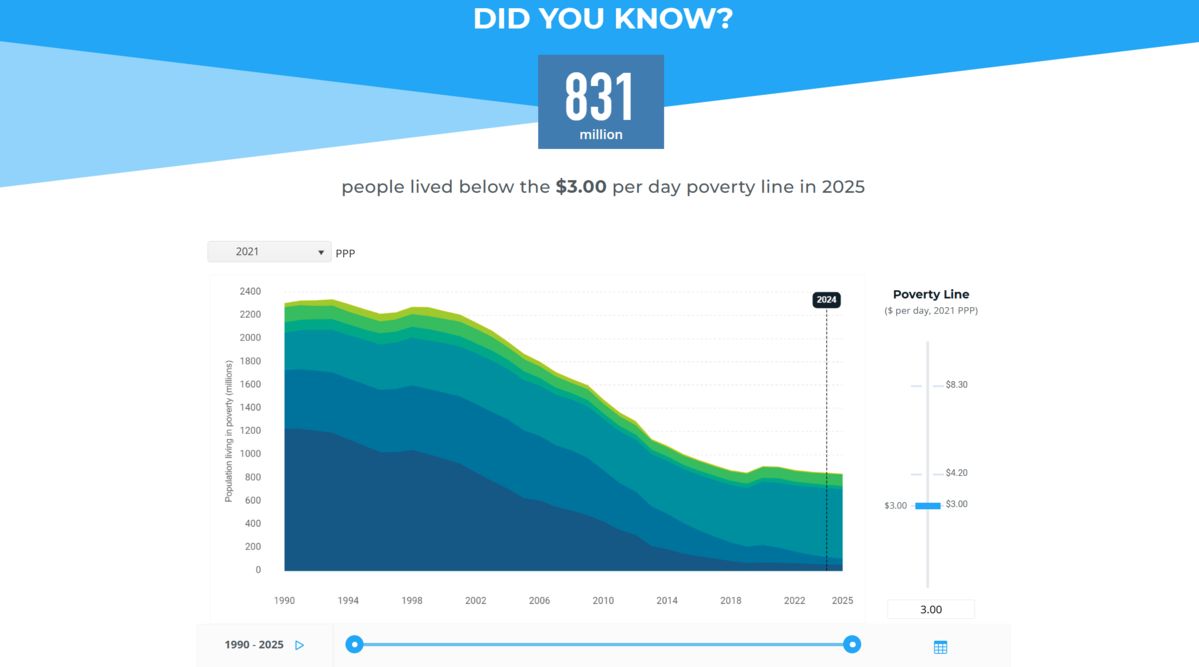
Understanding the intricate dynamics of poverty requires a global lens. International assessments, such as the September 2025 global poverty update from the World Bank, provide essential comparative data. Such insights enable Pakistan to benchmark its progress and adapt proven strategies. Furthermore, robust data visualization tools offer critical clarity on economic indicators, informing policy formulation with precision and foresight.

Addressing Social Vulnerability
The human element of economic policy cannot be overstated. When economic adjustments lead to increased hardship, the social fabric experiences strain. Protecting vulnerable populations from the adverse effects of fiscal reforms is paramount. This necessitates a comprehensive approach that intertwines economic strategy with social welfare, ensuring that policies are both fiscally sound and socially equitable.