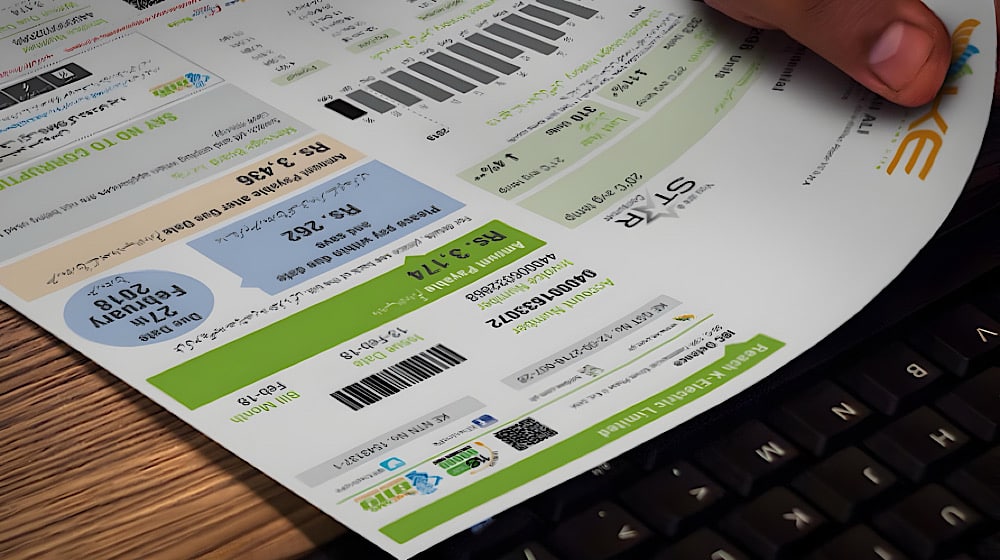
Pakistan’s federal government is strategically recalibrating its energy sector, shifting from traditional usage-based pricing to a dynamic income-based tariffs system for electricity and gas. This structural reform, aligned with IMF program commitments, aims to precisely target subsidies, ensuring only deserving households receive financial support. Consequently, higher-income consumers will pay rates closer to actual energy costs, fostering a more equitable and efficient energy economy.
Precision Pricing: Understanding Income-Based Tariffs
This critical reform fundamentally alters how energy prices are set across the nation. Previously, tariff slabs were solely linked to consumption levels. The new proposed model, however, establishes subsidies based on verifiable household income. Furthermore, this initiative represents a significant architectural shift in Pakistan’s energy policy, designed for enhanced fiscal responsibility and equitable resource allocation. Officials confirm this framework is being finalized as part of Pakistan’s commitments under the IMF’s Extended Fund Facility, which mandates restructuring to mitigate systemic inefficiencies.
The Translation (Clear Context): Decoding Pakistan’s Energy Overhaul
This policy pivot effectively means your electricity and gas bills will soon reflect your earning capacity rather than just your consumption volume. The government aims to integrate a robust mechanism to assess household income, potentially leveraging existing social protection databases. Consequently, this calibrated approach ensures that financial support for energy consumption is directed with greater precision. It moves beyond a one-size-fits-all model, directly addressing the core logic of targeted welfare: providing assistance where it is genuinely needed.
The Socio-Economic Impact: Calibrating Daily Life for Pakistani Citizens
This structural change carries profound implications for every Pakistani household, particularly students, professionals, and families in both urban and rural settings. For lower and middle-income groups, the promise of targeted subsidies could significantly alleviate the burden of rising energy costs, thereby enhancing disposable income for other essential needs. In contrast, higher-income households will contribute more equitably to the actual cost of energy, fostering a more self-sufficient energy sector. Ultimately, this system aims to stabilize household budgets and stimulate localized economic activity by freeing up resources.
- For students and families: Reduced energy bills can directly improve quality of life, allowing for greater investment in education and healthcare.
- For professionals and urban households: A transparent, income-linked system could lead to predictable energy costs, aiding personal financial planning.
- For rural communities: Fairer energy pricing can reduce economic disparities, fostering more inclusive national development.
The “Forward Path”: A Strategic Momentum Shift for Pakistan’s Energy Future
This initiative represents a definitive “Momentum Shift” for Pakistan’s energy sector. It moves beyond incremental adjustments, offering a fundamental re-architecture of pricing that is both equitable and fiscally responsible. Implementing income-based tariffs is a catalyst for long-term systemic efficiency, reducing the reliance on broad, untargeted subsidies. Consequently, this precision-driven policy lays a robust baseline for sustainable energy management, aligning Pakistan’s energy future with principles of national advancement and economic stability. This strategic move is critical for calibrating our path towards energy independence.
Implementing the New Tariff Structure
The proposed framework is designed to replace the current system, which ties tariffs exclusively to the number of units consumed. This new approach demands a meticulous mechanism to assess and verify household income, ensuring accurate subsidy allocation. Discussions with the IMF are ongoing, with a clear directive that these revised electricity tariffs must not disproportionately burden lower and middle-income demographics. Such careful implementation is paramount for maintaining social equity while advancing fiscal objectives.

Addressing Circular Debt and System Efficiency
Beyond the direct tariff adjustments, the reform agenda encompasses broader structural improvements. These include the crucial reduction of cross-subsidies within the power sector and a targeted strategy to dismantle circular debt, a long-standing economic impediment. This holistic approach signals a commitment to systemic efficiency, ensuring that the benefits of income-based tariffs are amplified by a more robust and financially stable energy infrastructure. Ultimately, these integrated reforms are poised to stabilize the national grid and foster long-term energy security.