
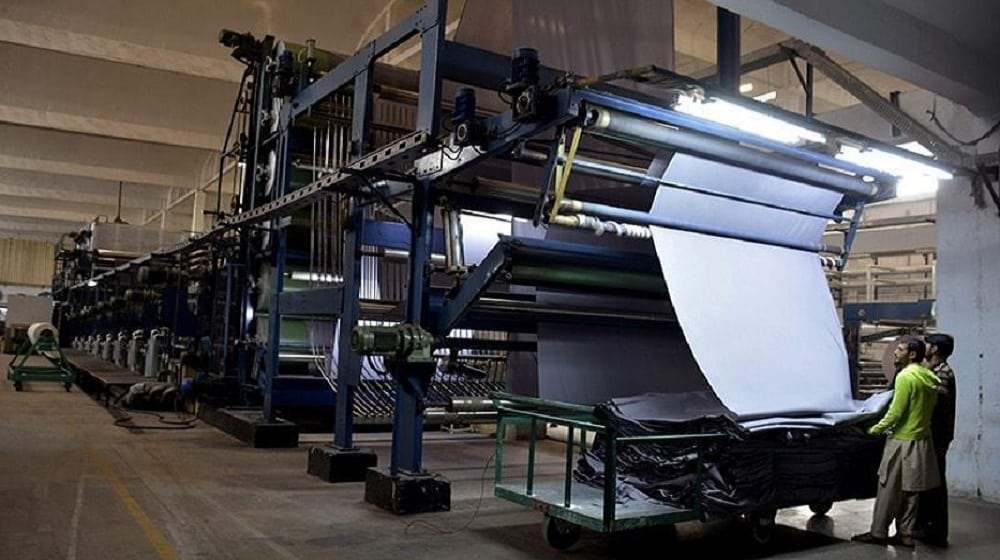
Strategic Imperative: Safeguarding Pakistan’s Gas Levy Export Target
A recent, sharp increase in the gas levy to Rs. 1,243 per MMBtu has ignited significant concern within Pakistan’s textile industry. This strategic financial adjustment directly impacts off-grid captive power plants, posing a formidable challenge to the nation’s ambitious Gas Levy Export Target of $60 billion. Consequently, industry leaders are warning that this policy could fundamentally undermine export growth and create systemic economic instability for one of Pakistan’s vital sectors.
The Translation: Unpacking the Energy Cost Escalation
The Pakistan Textile Council explicitly highlights the imposition of a substantial levy on energy inputs for export-oriented industries. Previously, the gas levy stood at Rs. 402 per MMBtu; it has now surged to Rs. 1,243 per MMBtu for December 2025, with further escalations structurally embedded. This represents a critical cost shock, directly impacting manufacturing profitability and global competitiveness. Furthermore, this unpredictability in energy pricing complicates long-term investment planning and operational budgeting for textile manufacturers.

The core issue lies in the application of this levy to all captive power plants, including those utilizing high-efficiency cogeneration systems. Globally, such energy-efficient systems are typically incentivized, given their role in reducing emissions and optimizing fuel utilization. In contrast, Pakistan’s current framework appears to penalize efficiency, creating a disincentive for sustainable industrial practices.
The Socio-Economic Impact: Ripple Effects on Pakistani Households
This escalating concern extends beyond corporate balance sheets, directly influencing the daily lives of Pakistani citizens. A constrained textile sector, which is a major employer, inevitably translates to reduced job security for thousands of professionals and laborers. Consequently, household incomes could face pressure, impacting purchasing power in both urban and rural Pakistan.

Moreover, the immediate impact is visible in declining export sector gas demand and domestic gas curtailment, reaching approximately 300 MMCFD. This reduction affects not only industrial output but also the operational stability of gas utilities. Uncertainty regarding energy costs also dissuades new foreign direct investment, thereby limiting avenues for economic growth and job creation for students entering the workforce. The financial burden shifted onto export-oriented sectors, rather than being broadly distributed, raises fundamental questions of economic fairness.
The Forward Path: Momentum Shift or Stabilization Move?
This development represents a Stabilization Move, but one calibrated with significant risk. While the levy aims to subsidize electricity tariffs for other consumer categories, the method of implementation risks decelerating the nation’s export momentum. The Pakistan Textile Council’s chairman, Fawad Anwar, precisely articulates that such unpredictability in energy pricing makes it arduous for investors to plan and for banks to finance industrial operations, escalating overall economic risk.
Therefore, a critical review of this policy is warranted. To achieve the stipulated Gas Levy Export Target, the government must restore regulator-based pricing transparency, actively protect efficient energy systems, and strategically align energy costs with global export competitiveness. This structural recalibration is essential to transform a potential impediment into a catalyst for sustained economic advancement.








