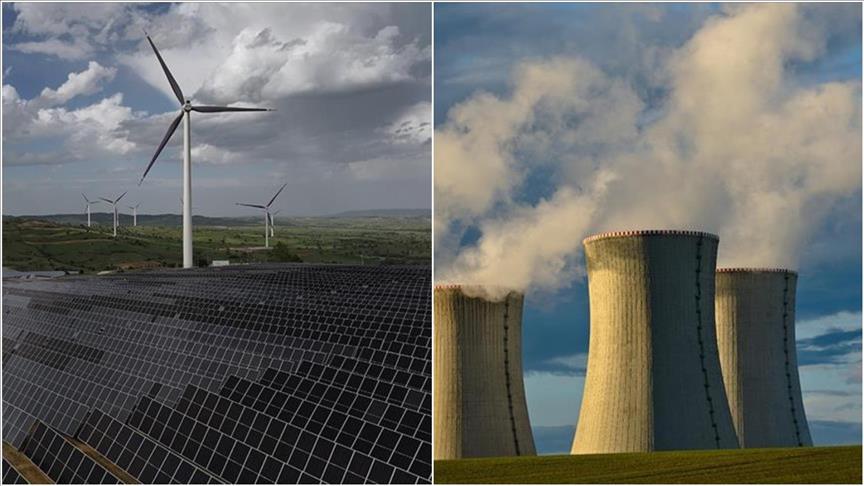
Pakistan’s power generation experienced a significant surge in January 2026, registering a 12.1% year-on-year increase to 9,140 GWh. This structural growth in Pakistan power generation indicates robust electricity demand and a calibrated supply recovery. Critically, this expansion occurred despite a decline in hydropower output, necessitating a strategic pivot towards thermal, RLNG, and nuclear sources, which consequently impacted monthly fuel costs. Furthermore, cumulative generation for the first seven months of FY2026 reached 76,495 GWh, marking a 2.3% increase compared to the previous year, demonstrating a consistent upward trajectory.
Unpacking the Energy Flux: A Structural Translation
This data reveals a critical recalibration within Pakistan’s energy architecture. The discernible rise in overall power output, despite reduced hydropower contribution, signifies an active management of the national grid. Specifically, the increase was strategically supported by higher outputs from RLNG, coal, and nuclear assets. These thermal and nuclear components served as vital compensatory mechanisms, effectively offsetting the seasonal decline in hydel generation. Consequently, this shift highlights the dynamic interplay between available resources and persistent demand, thereby shaping the operational baseline for energy supply. The nation’s energy mix, therefore, demonstrates a calculated adaptability.
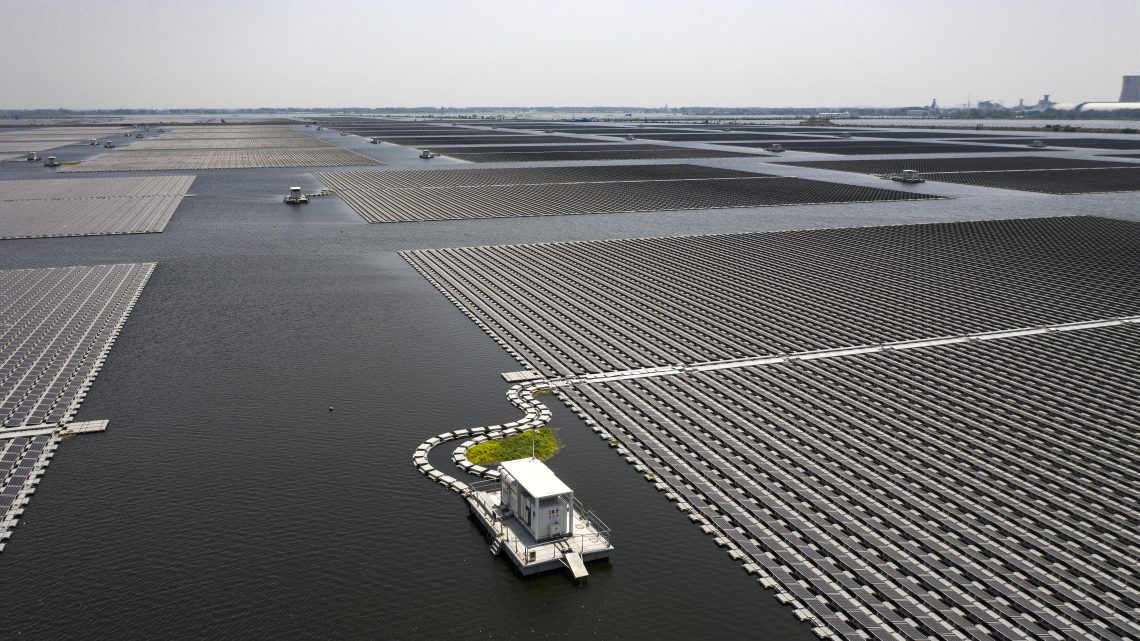
Furthermore, this transition underlines the inherent structural pressures within Pakistan’s existing energy framework. Hydropower, while a cornerstone of the grid, exhibits seasonal variability. Therefore, reliance on more consistent, albeit often costlier, thermal and nuclear alternatives becomes imperative during periods of lower water availability. This strategic diversification ensures energy stability but introduces complexities regarding cost management and resource allocation. The precision with which these alternative sources were integrated underscores a focus on maintaining operational efficiency.
Socio-Economic Resonance: Impact on the Pakistani Citizen
How does this nuanced shift in Pakistan energy mix directly influence the daily life of a Pakistani citizen? Primarily, a consistent increase in power generation ensures greater energy availability, directly impacting households, students, and professionals. Urban centers benefit from reduced load shedding, enabling uninterrupted productivity and access to essential services. For instance, students can pursue their studies without power interruptions, and businesses can operate with enhanced reliability. This stability fosters a more predictable economic environment.

However, the heightened reliance on imported and thermal fuels translates to an increase in production costs. Fuel cost escalated by 8% year-on-year and a significant 27% month-on-month in January 2026, reaching $0.04 per unit. This surge, primarily driven by costlier RLNG, nuclear, and furnace oil, can eventually translate into higher consumer tariffs. Conversely, the cumulative average fuel cost for 7MFY2026 declined by 5% year-on-year to $0.03 per unit, indicating some longer-term cost stabilization. Citizens must therefore calibrate their consumption patterns in alignment with these evolving energy economics. This complex interplay directly affects household budgets and the overall cost of doing business.
The Forward Path: A Moment of Strategic Stabilization
This development fundamentally represents a Stabilization Move for Pakistan’s energy sector. The robust increase in Pakistan power generation demonstrates a commendable capacity to meet escalating electricity demand, even when faced with seasonal constraints on hydel power. This agility is a critical structural improvement. While the reliance on costlier thermal sources temporarily elevates monthly fuel expenditures, the cumulative data for the fiscal year indicates a baseline of controlled costs. This strategic adaptation ensures grid stability, preventing widespread disruptions that could impede national advancement.

Moving forward, the emphasis must shift towards an accelerated integration of indigenous, low-cost energy solutions to mitigate future cost volatility. This includes further investment in renewable energy projects and enhancing the efficiency of existing thermal plants. Such a calibrated approach will not only stabilize tariffs but also propel Pakistan towards greater energy independence. Ultimately, this January data reflects a disciplined response to immediate energy requirements, providing a solid foundation for future strategic energy infrastructure enhancements.