
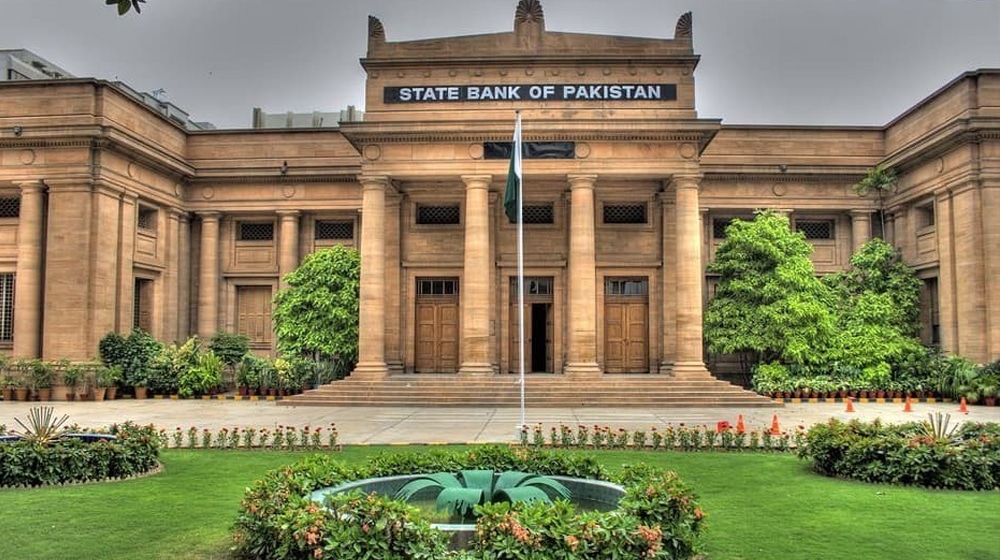
In a calibrated move, the State Bank of Pakistan (SBP) has formally declared the 1st of Ramadan-ul-Mubarak, 1447 A.H., as a designated Pakistan Bank Holiday. This closure specifically impacts public dealing. Its strategic purpose is to enable the precise deduction of Zakat, a foundational pillar of Islamic finance. This ensures systemic efficiency across all banking operations. Consequently, all commercial banks, Development Financial Institutions (DFIs), and Microfinance Banks (MFBs) will suspend public transactions on this date. However, employees maintain regular working hours for internal functions.
Strategic Financial Adjustment: The Upcoming Bank Closure
The Translation: Operationalizing Islamic Finance Principles
The State Bank of Pakistan (SBP) has issued a clear notification. All financial institutions will suspend public interaction on the initial day of Ramadan-ul-Mubarak, 1447 A.H. This includes commercial banks, Development Financial Institutions (DFIs), and Microfinance Banks (MFBs). This directive establishes a specific annual bank holiday. It primarily allows for the mandated deduction of Zakat. This annual mechanism ensures the structured collection of Zakat, directly supporting community welfare initiatives across the nation.
Furthermore, while public services are temporarily paused, all banking personnel are explicitly required to report for duty. This maintains operational continuity for internal processes. It ensures that critical backend functions proceed without disruption. The SBP’s action streamlines the Zakat deduction process. This is a vital component of the nation’s financial framework. It allocates a dedicated day for this significant undertaking.
Socio-Economic Impact: Calibrating Public Expectations
How This Changes Daily Life for Pakistani Citizens
For the average Pakistani citizen, this strategic closure necessitates a minor adjustment to financial planning for the day. Individuals planning immediate banking transactions must execute these operations either before or after the designated holiday. Such transactions include cash withdrawals, deposits, or utility bill payments. Consequently, this measure primarily impacts those requiring direct public-facing services. However, digital banking platforms and ATMs will likely remain operational, offering alternative transaction channels for urgent needs.
Professionals and students may experience minimal direct impact. This holds true provided their financial activities are managed through online portals. This structured approach to Zakat deduction ultimately contributes to transparent philanthropic efforts. It potentially benefits numerous households through various social programs. Thus, while a brief inconvenience for some public dealings, the underlying purpose serves a broader societal welfare objective.
The Forward Path: A Structural Enhancement
Momentum Shift or Stabilization Move?
This designated bank closure represents a stabilization move within the national financial infrastructure. It is not a dramatic momentum shift. The SBP is systematically optimizing an existing annual requirement. This ensures the efficient and consistent execution of Zakat deductions. By formalizing a dedicated day, the institution minimizes potential disruptions across the banking sector. These disruptions might otherwise arise from staggered or ad-hoc processing. This precision in administrative execution reinforces the structural integrity of Pakistan’s financial system, demonstrating a disciplined approach to core responsibilities.








