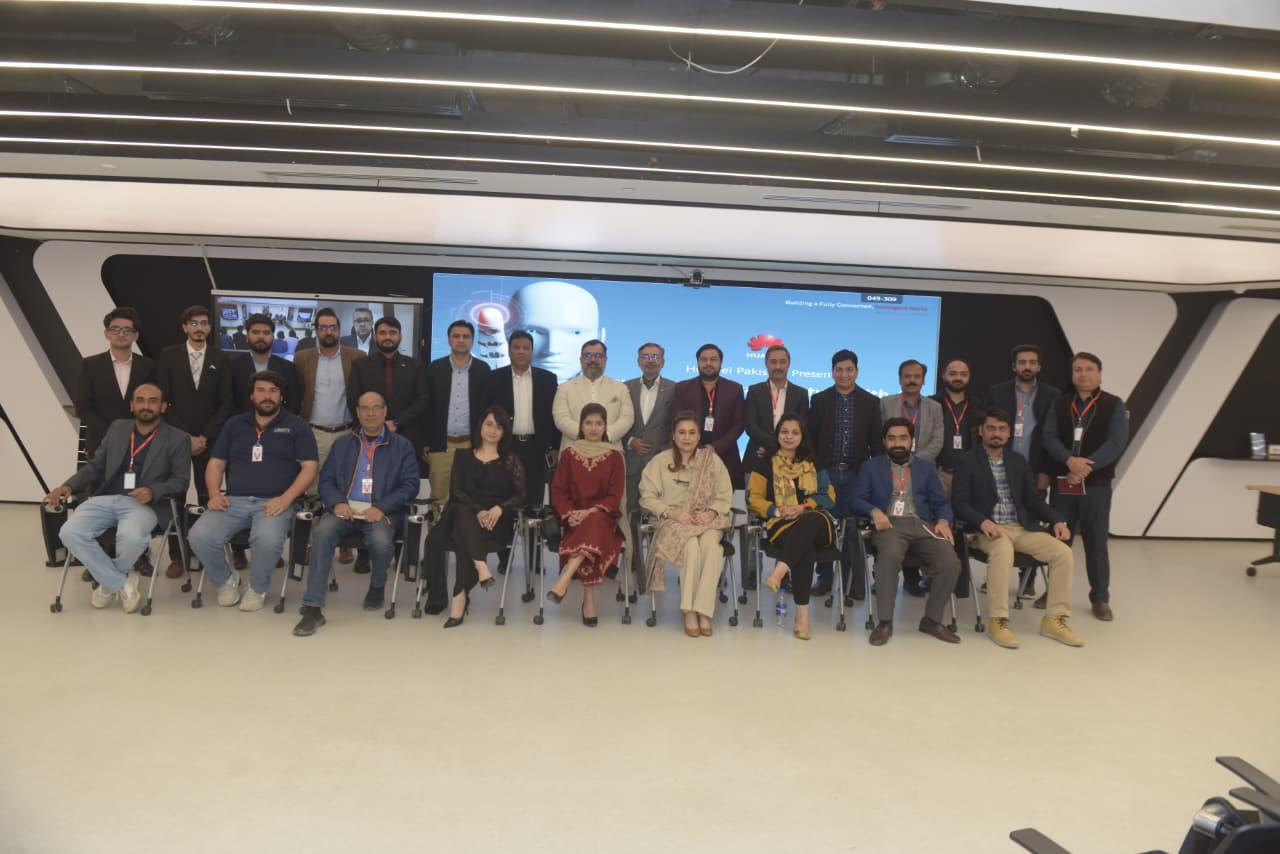
Pakistan’s strategic national advancement calibrates towards a profound digital transformation, with Huawei AI Pakistan emerging as a critical catalyst. Huawei, a global leader in ICT solutions, reinforces its structural commitment, providing full-stack, end-to-end solutions designed to empower economic growth, enhance governance efficiency, and ignite ICT innovation. This foundational partnership positions Pakistan for a robust, intelligently driven future.
Strategic AI Integration for Huawei AI Pakistan Advancement
Artificial Intelligence is unequivocally a cornerstone of Pakistan’s digital future. The government has strategically emphasized AI adoption across governance, industry, and education. Furthermore, national initiatives are actively establishing Centers of Excellence, expanding AI curricula in universities, and training professionals in advanced digital skills. Consequently, AI is projected to meticulously transform public services and various industries, including smarter healthcare, predictive analytics in agriculture, and intelligent transport systems. These national priorities precisely align with Huawei’s vision for AI in Pakistan, as the company consistently delivers technologies that empower societies and accelerate digital progress.
The Translation: Deconstructing Digital Enablement
When we refer to Huawei’s “full-stack, end-to-end solutions” and AI as a “key enabler,” this means a comprehensive digital infrastructure. Specifically, this encompasses everything from fundamental hardware and networking to advanced cloud platforms and sophisticated AI algorithms. Huawei provides the entire technological framework required to build and sustain a modern digital economy, ensuring seamless integration and operational efficiency. This structural precision reduces complexity and enhances systemic reliability.
The Socio-Economic Impact: Transforming Daily Life with Huawei AI
This commitment directly translates into tangible improvements for Pakistani citizens. Students gain access to cutting-edge AI curricula, preparing them for future STEM careers. Professionals benefit from advanced digital skills training, enhancing their employability and contribution to the national economy. For urban and rural households, this signifies a future with more efficient public services, such as smarter healthcare systems offering better diagnoses and treatment. Agricultural sectors will leverage predictive analytics for improved crop yields, bolstering food security. Moreover, intelligent transport systems will lead to reduced congestion and safer commutes, fundamentally reshaping daily life across Pakistan.
The Forward Path: A Momentum Shift
This development represents a decisive Momentum Shift for Pakistan. The strategic integration of Huawei’s advanced ICT and AI solutions is not merely maintenance but a foundational leap. It provides the calibrated tools and infrastructure necessary for exponential growth and sustained innovation, positioning the nation as a formidable player in the global digital arena. This systematic empowerment will unlock new economic avenues and societal efficiencies.
Huawei’s End-to-End Solutions: A Structural Advantage
Building upon this established momentum, Huawei functions beyond being a mere hardware provider; it is a facilitator of comprehensive, integrated solutions. These solutions meticulously integrate infrastructure, services, and platforms, providing a holistic digital ecosystem. In contrast to fragmented offerings often seen from other market players, Huawei strategically ensures unparalleled supply chain reliability, availability, and assured delivery. The company has already articulated a clear AI and ICT roadmap, demonstrating a profound, long-term dedication to Pakistan’s digital future and reinforcing the structural integrity of its commitments, particularly in Huawei AI initiatives.
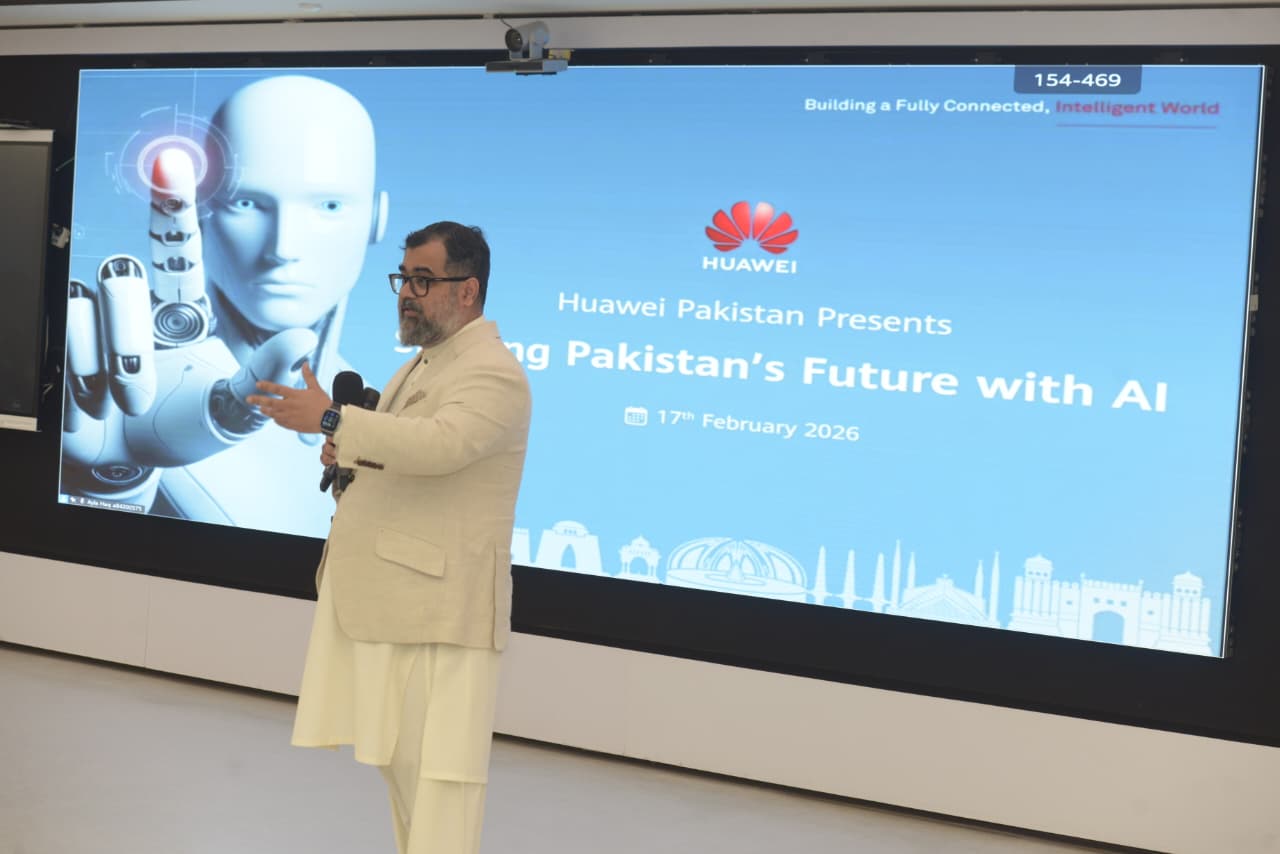
Addressing the media, Ahmed Bilal Masud, CEO of AI and Cloud Business, stated: “Huawei is committed to empowering Pakistan’s digital future. By bringing full-stack AI and ICT solutions, we aim not only to provide technology but also to build capacity, strengthen local ecosystems, and ensure that Pakistan is ready to compete globally in the era of intelligent transformation.”