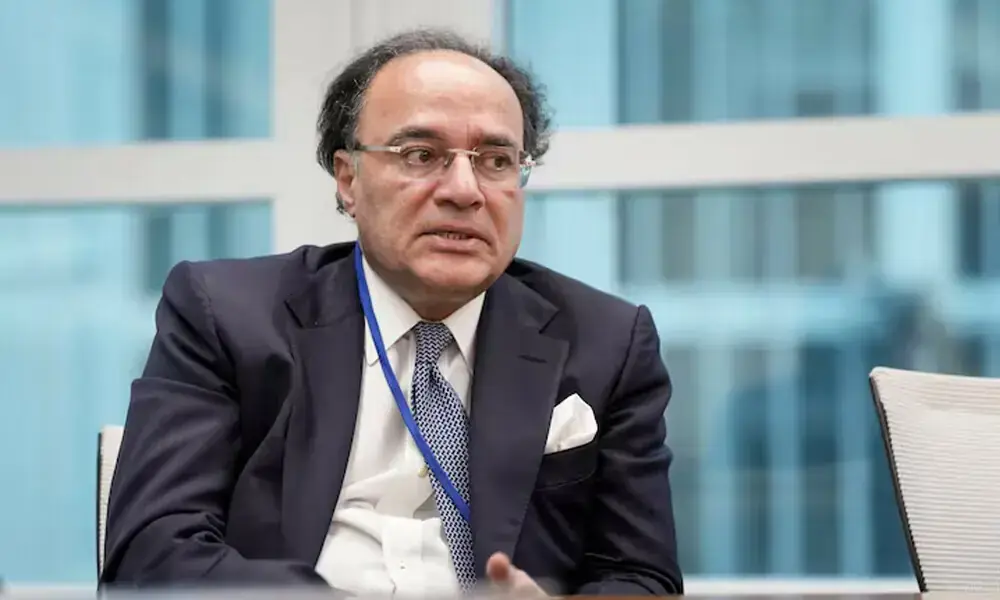
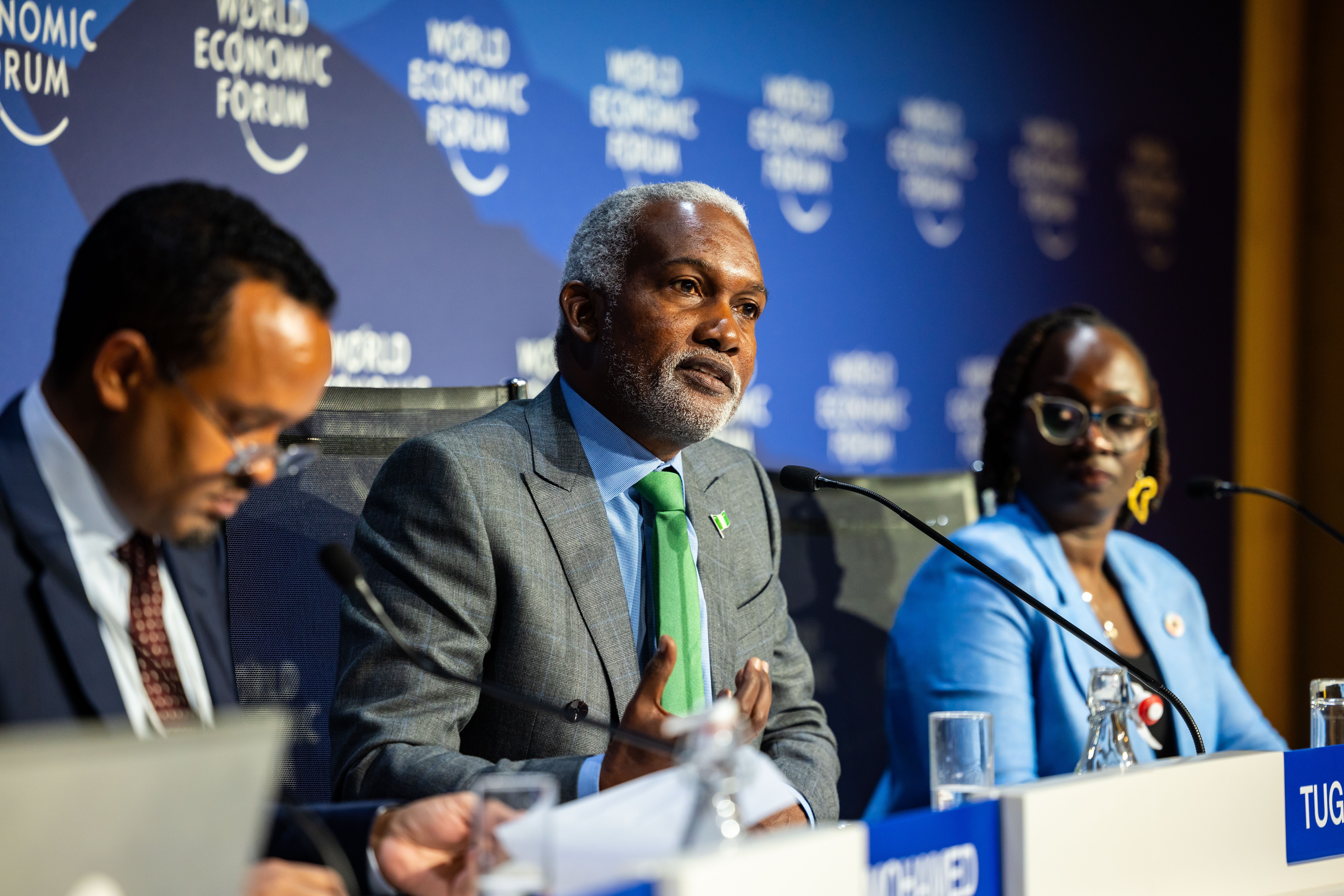
The structural advancement of global financial systems necessitates a recalibration of influence. Senator Muhammad Aurangzeb, Federal Minister for Finance and Revenue, recently asserted that emerging economies global governance participation must expand to accurately reflect their escalating contributions to worldwide growth and GDP. This strategic imperative, articulated at the AlUla Conference for Emerging Market Economies, underscores the critical need for coordinated policy responses amidst escalating geopolitical complexities and rapid technological shifts, particularly in artificial intelligence.
The Translation: Strategic Imperatives for Global Cohesion
Deciphering the Call for Equitable Representation
Minister Aurangzeb’s pronouncement extends beyond mere advocacy; it represents a data-driven call for structural reform. Historically, global economic governance has been largely shaped by developed nations. However, emerging economies global governance participation is now critical as they collectively contribute a substantial and growing share to global output. Consequently, their voices require a commensurate increase in influence within international financial institutions and decision-making forums. This rebalancing is not merely about fairness; it is about establishing a more resilient and representative global economic order capable of addressing multifaceted challenges effectively.

The Socio-Economic Impact: Reshaping Pakistan’s Future Trajectory
Direct Benefits for Pakistani Citizens and Professionals
For the average Pakistani citizen, a stronger voice for emerging economies global governance means direct benefits. Increased influence in global financial structures can translate into more favorable trade agreements, greater access to international funding for infrastructure projects, and policies that are better tailored to the specific needs of developing nations. Consider a student pursuing a STEM degree: enhanced global collaboration could lead to more opportunities for international scholarships or participation in cutting-edge research. Furthermore, professionals in various sectors could see improved access to global markets and fairer competition, fostering a more robust and dynamic domestic economy. In urban centers, this could mean better public services, while in rural Pakistan, it could facilitate investments in agricultural technology and sustainable development.


The Forward Path: A Momentum Shift for Strategic Implementation
From Dialogue to Decisive Action
This development signifies a decisive Momentum Shift rather than a mere Stabilization Move. Minister Aurangzeb’s emphasis on translating deliberations into concrete policy actions is a critical aspect. The AlUla Conference, by providing a structured platform, enables emerging economies to align strategies and strengthen cooperation. The objective is not simply to voice concerns but to collectively engineer solutions that foster an inclusive and resilient global economic order. Pakistan’s proactive engagement in such forums positions it as a key contributor to this necessary evolution, reinforcing its commitment to a more equitable international financial architecture.