The Translation: Deconstructing Pakistan’s Energy Shift
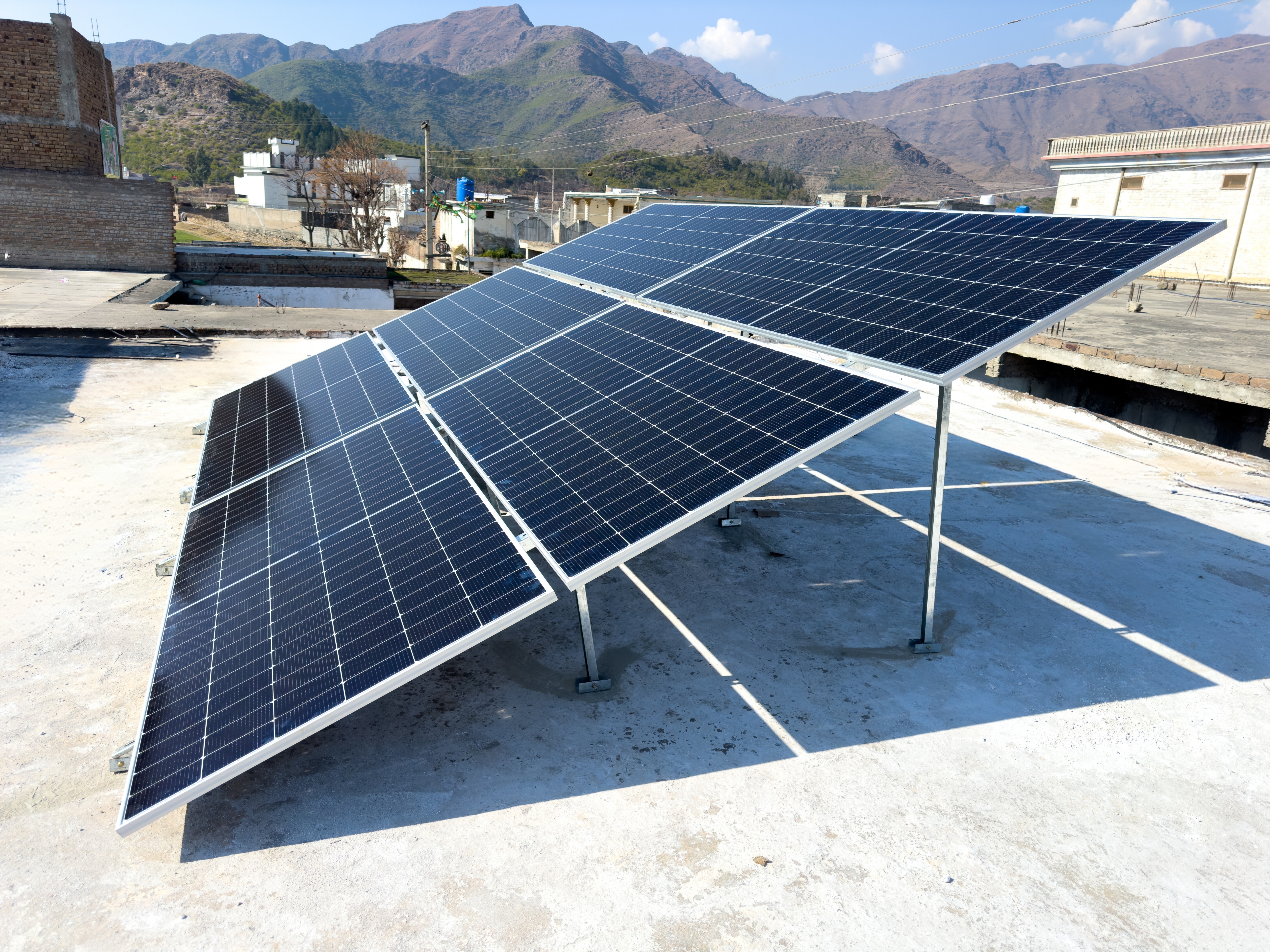
Pakistan is undergoing a profound energy transformation. Driven by significant Pakistan Solar Growth, this strategic pivot is projected to generate over $100 billion in calibrated fuel cost savings for the national economy. A recent policy analysis highlights how widespread adoption of distributed solar capacity, primarily rooftop systems, is structurally reshaping the nation’s energy landscape and systematically reducing reliance on volatile fossil fuel imports.
Specifically, the “Electrons In, Hydrocarbons Out: Pakistan’s Quest for Economic and Resource Efficiency” study by Renewables First reveals a critical baseline. By June 2025, Pakistan had already integrated approximately 48 gigawatts of solar photovoltaic capacity. This massive deployment, largely through household, farm, and business installations, establishes a parallel energy infrastructure often uncaptured by conventional energy metrics. Consequently, this capacity is set to circumvent an estimated $100 billion to $120 billion in future fossil fuel import expenditures over its operational lifespan. Furthermore, this shift profoundly impacts the national balance of payments, liberating substantial capital that can be reinvested into critical infrastructure and technological advancement, rather than being spent on volatile global fuel markets.

The research unequivocally demonstrates a stark structural shift in Pakistan’s energy consumption patterns. Historically, the nation depended heavily on expensive imported oil, gas, and coal for electricity generation. However, consumers are increasingly turning to localized, distributed solar power solutions. The solar panels imported over the past decade represent long-term energy assets, designed to produce electricity for decades. This inherently reduces Pakistan’s susceptibility to global fuel price fluctuations and strengthens energy sovereignty.
Socio-Economic Impact: Calibrating Daily Life
This structural shift directly impacts the daily lives of Pakistani citizens, students, and professionals across both urban and rural landscapes. For urban households, the transition to solar offers a strategic hedge against escalating electricity prices and recurrent grid unreliability. Families experience reduced monthly utility burdens, enabling redirection of funds towards education, healthcare, or essential needs. Furthermore, small businesses gain unprecedented energy autonomy, allowing for consistent operation and reducing losses due to power outages, thereby fostering economic stability at a grassroots level.
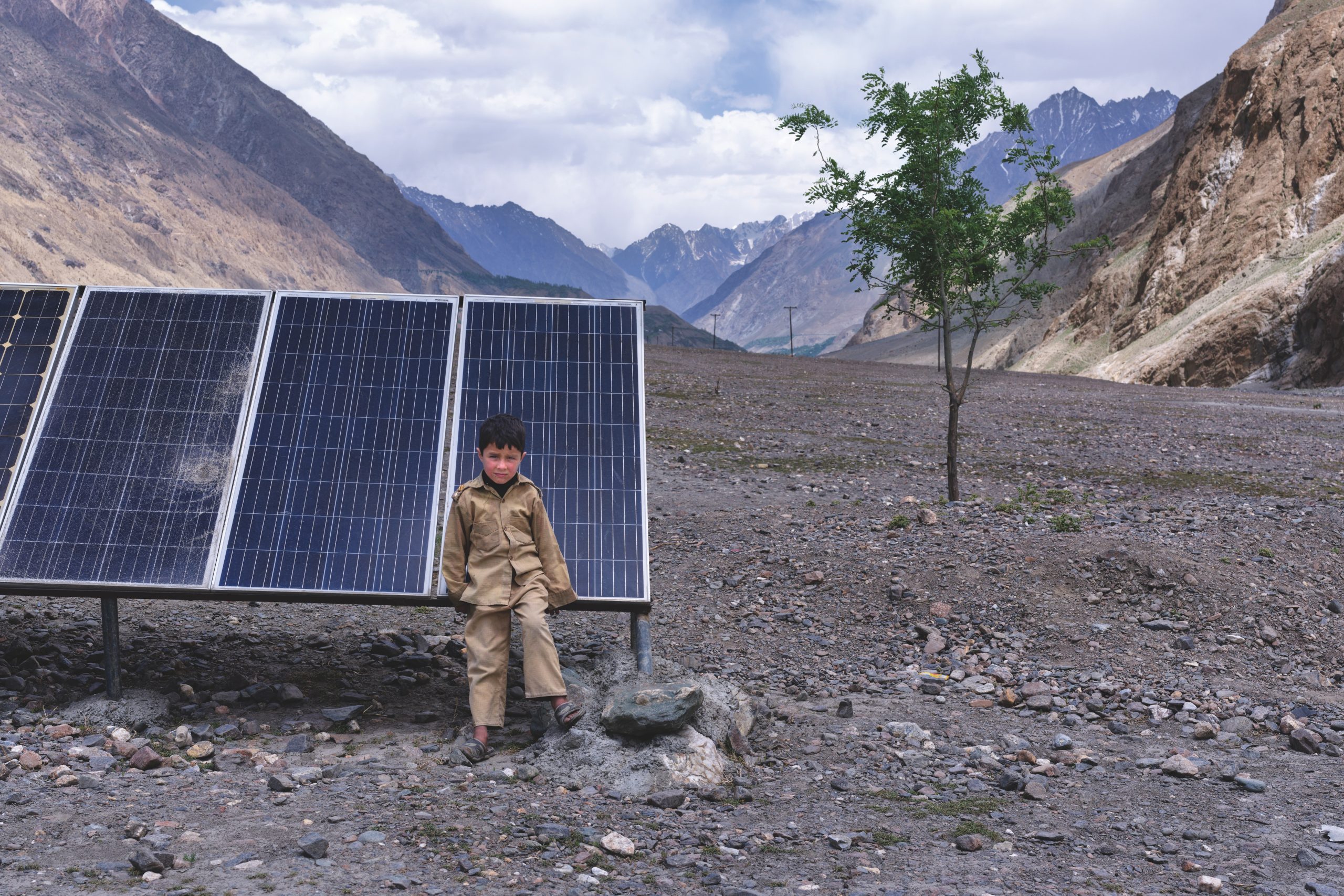
In rural communities, particularly for agricultural enterprises, energy independence becomes a catalyst for growth. Reliable solar power ensures consistent energy for irrigation pumps and processing units, stabilizing agricultural output and increasing farmer incomes. Students benefit from more consistent electricity supply, crucial for digital learning and access to educational resources, bridging the digital divide. Ultimately, the cumulative effect of these individual installations is a nation gaining greater control over its energy destiny, fostering economic resilience and improved quality of life for millions. This broad adoption marks Pakistan’s commitment to energy efficiency.
The Forward Path: Sustaining Pakistan Solar Growth Momentum
This development signifies a definitive “Momentum Shift” for Pakistan’s energy sector. The rapid, distributed adoption of solar power represents more than just a cost-saving measure; it is a fundamental re-architecture of national energy supply. The fiscal year 2023-24 alone saw distributed solar systems potentially generate 19 terawatt-hours of electricity, displacing approximately five million tonnes of oil equivalent in fossil fuels. This robust output nearly constituted one-fifth of the country’s entire grid supply for that period, underscoring the calibrated impact of this energy transition.
This rapid uptake is a strategic response to persistent challenges: high electricity prices, unreliable grid supply, and the increasing affordability of solar panel imports. Consequently, Pakistan has emerged as one of the fastest-growing solar markets globally, with distributed solar now contributing a progressively larger share to the nation’s overall electricity generation mix. While critical challenges remain in integrating this parallel system with the national grid infrastructure, the current trajectory is a clear catalyst for sustainable energy independence and enhanced economic stability. The nation is strategically repositioning itself from a vulnerable fossil fuel importer to a proactive leader in renewable energy deployment, building a more robust and efficient energy system for future generations.