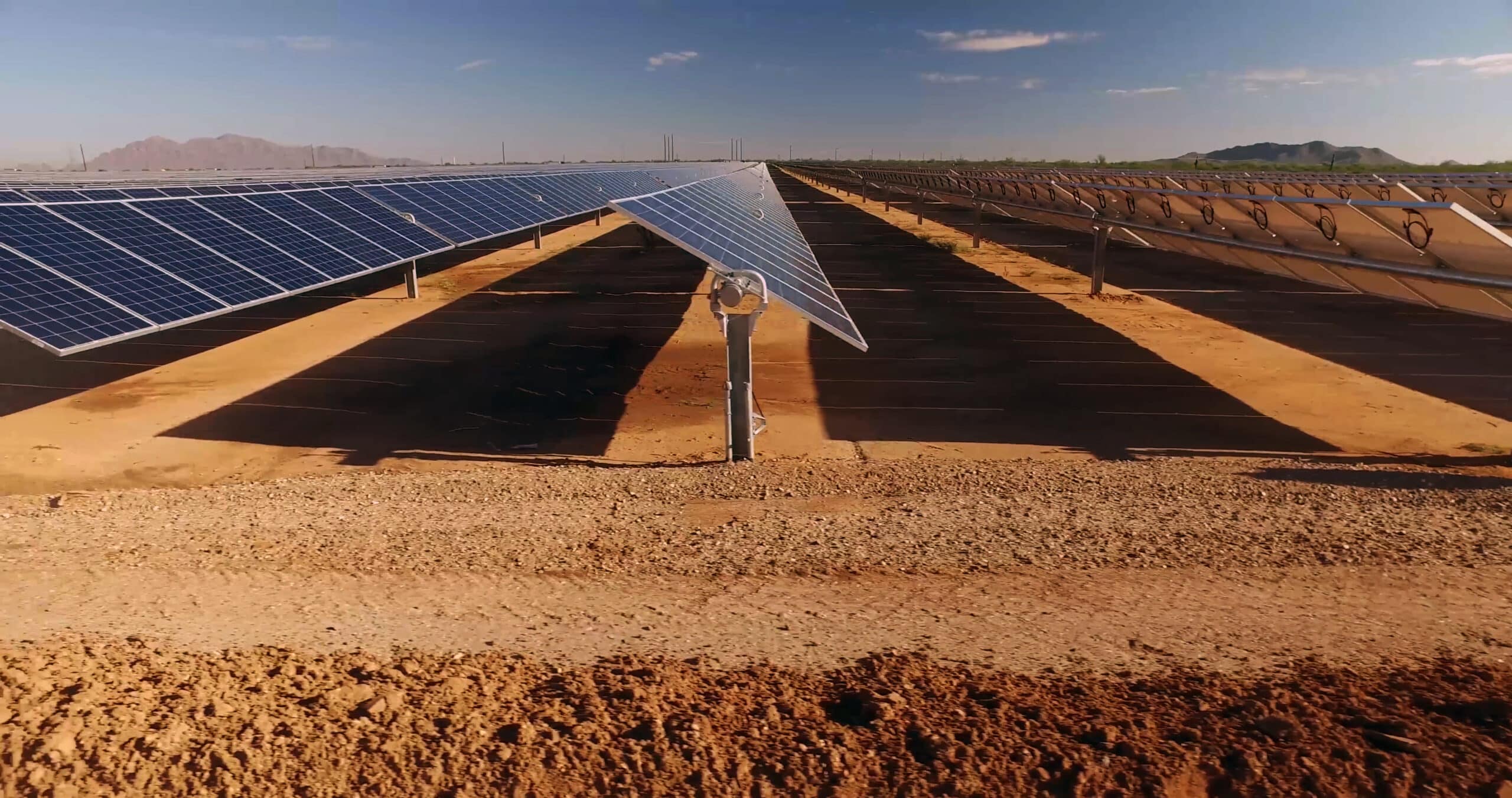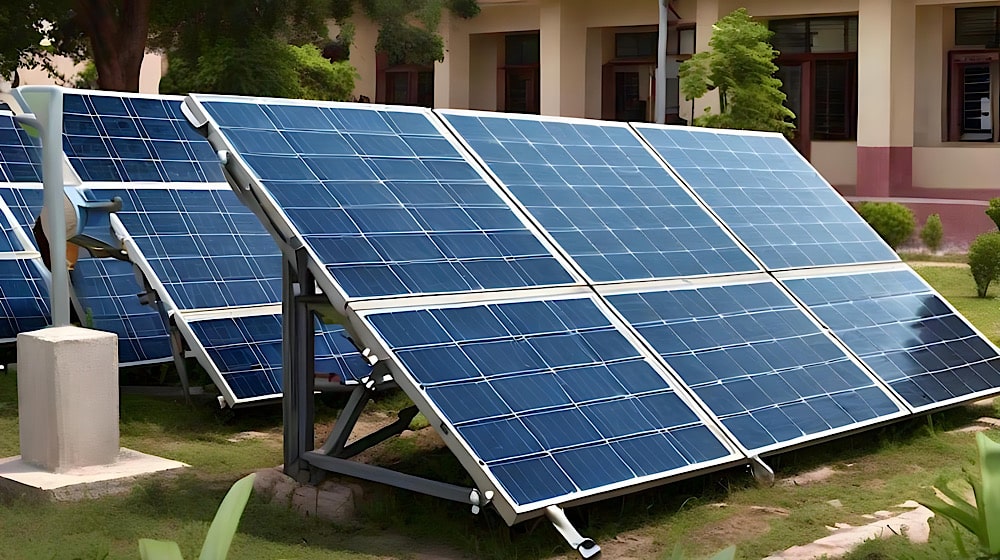
Pakistan’s energy infrastructure experienced a significant, strategic shift in December 2025 as the share of solar net metering Pakistan in total power generation precisely increased by 14 basis points year-on-year. This upward trajectory reflects a robust national commitment to renewable energy adoption and a calibrated reduction in reliance on the conventional national grid. Consequently, this data underscores a pivotal moment for sustainable energy integration, affirming the nation’s progress towards energy independence.
The Translation: Deconstructing Pakistan’s Energy Trajectory
The term “14 basis points year-on-year” translates to a measurable and direct increase in the contribution of solar net metering systems to Pakistan’s overall electricity supply compared to the previous year. This metric is a crucial indicator of the distributed generation model’s escalating efficiency and its structural integration into the national energy framework. Essentially, more households and businesses are generating their own electricity from solar panels and feeding surplus back into the grid, diminishing the burden on central power plants.
Furthermore, while the overall power generation across Pakistan observed an 8.8 percent year-on-year rise in December, as reported by Arif Habib Limited (AHL), the month-on-month data presents a nuanced picture. A 56.3 percent decline in net metering units during December indicates a temporary deceleration in new system installations or activations compared to November. This could be attributed to seasonal factors, supply chain dynamics, or procedural processing times, rather than a fundamental shift in adoption rates.


Socio-Economic Impact: Empowering Citizens with Solar Net Metering Pakistan
This expansion of solar net metering Pakistan directly impacts the daily lives of Pakistani citizens across urban and rural landscapes. For households, net metering translates into significantly reduced electricity bills, fostering economic relief and predictable energy costs. Professionals and small businesses benefit from enhanced operational stability and lower overheads, allowing for greater investment into growth and innovation. Students, particularly in regions prone to power outages, gain from more consistent access to electricity for remote learning and digital resources, bridging critical educational gaps.
Moreover, the strategic shift towards solar power cultivates energy independence at a micro-level. It mitigates the effects of fluctuating international fuel prices and reduces the national reliance on imported fossil fuels. Consequently, this leads to a more stable energy ecosystem, benefiting both the individual consumer and the national economy through saved foreign exchange. This localized energy production acts as a catalyst for economic resilience.
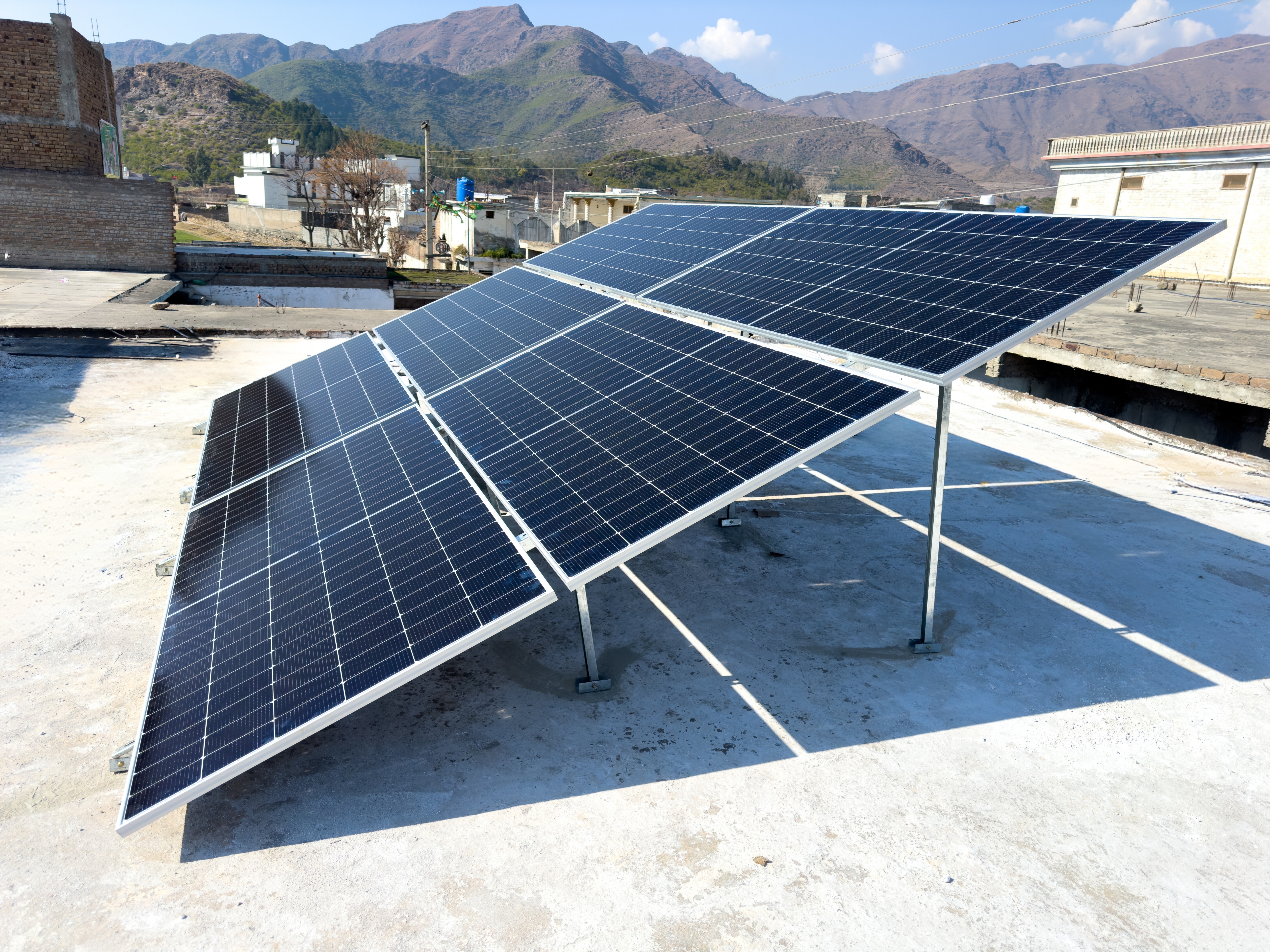
The Forward Path: A Momentum Shift Towards Energy Autonomy
The consistent year-on-year growth in solar net metering’s contribution unequivocally represents a “Momentum Shift” for Pakistan’s energy sector. Despite the month-on-month fluctuation, the underlying structural trend points towards an accelerated adoption of renewable energy technologies. This is not merely a stabilization move; it is a decisive pivot towards a decentralized, sustainable, and economically robust power generation model. The National Electric Power Regulatory Authority (NEPRA) anticipates a 1.0 percent year-on-year growth in power demand for calendar year 2026. Therefore, the strategic expansion of solar capacity is imperative to meet this projected demand efficiently and sustainably.
This trajectory positions Pakistan to significantly enhance its energy security, reduce its carbon footprint, and empower its citizens with greater control over their energy consumption. It is a baseline for future calibrated expansions in green energy infrastructure, ensuring long-term national advancement.