Strategic Economic Review: The Impending IMF Pakistan Visit
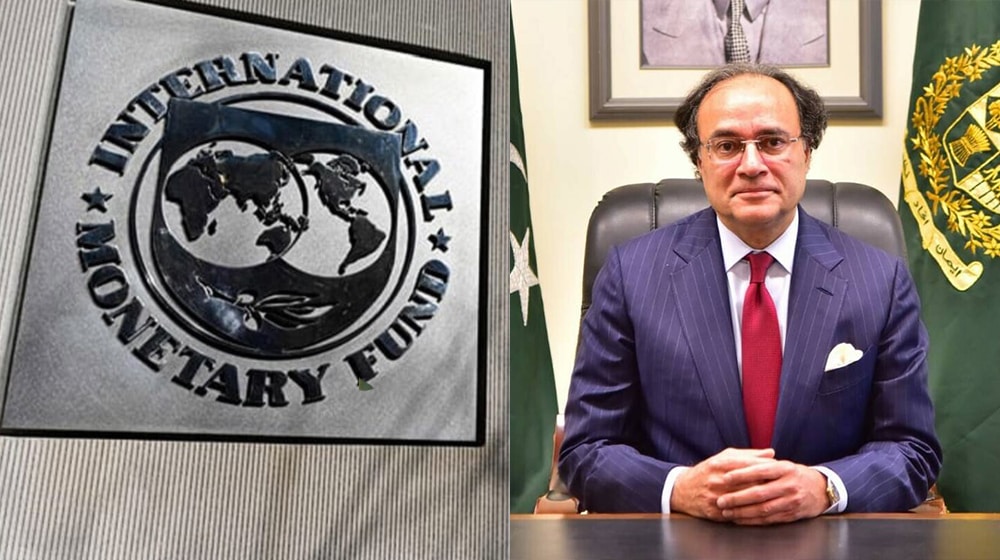
Pakistan anticipates a crucial economic assessment this month as an International Monetary Fund (IMF) delegation prepares for its third program review. This **IMF Pakistan Visit** marks a baseline event, underscoring the nation’s calibrated commitment to fiscal discipline and structural reform. Finance Minister Muhammad Aurangzeb confirmed the impending arrival of the team, emphasizing that Pakistan’s shared economic blueprint projects no external financing gaps. Consequently, this review will systematically assess program progress, solidifying the trajectory for national economic advancement.
The Translation: Decoding Pakistan’s Financial Dialogue
The scheduled visit by the IMF delegation signifies a pivotal stage in Pakistan’s engagement with international financial architecture. Finance Minister Aurangzeb has articulated that the team’s primary objective is to conduct a thorough evaluation of the country’s ongoing economic program. Furthermore, discussions are proactively advancing with the United Arab Emirates concerning the rollover of existing financial facilities. These strategic maneuvers demonstrate Pakistan’s commitment to self-sustaining economic management rather than external dependency, despite historical challenges.
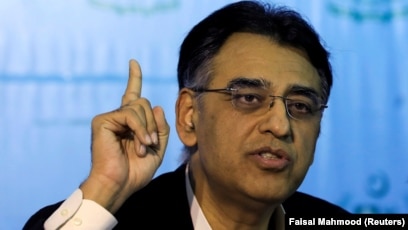
Crucially, the government refutes any premise that recent fiscal recalibrations are a direct consequence of IMF exigencies. The Finance Minister precisely asserted Pakistan’s robust financial capacity, highlighting that even amidst significant national adversities, such as recent floods, emergency international assistance was not sought. This perspective frames the current reforms as internally driven, designed for long-term systemic efficiency, rather than reactive measures.
The Socio-Economic Impact: Calibrating Daily Life
For the average Pakistani citizen, the implications of this economic review are substantial. A successful program adherence, following the **IMF Pakistan Visit**, translates directly into enhanced macroeconomic stability. This stability is the bedrock for predictable inflation rates, more stable currency valuations, and ultimately, greater confidence for local businesses and foreign investors. Consequently, students can anticipate a more stable educational future, professionals can plan with greater economic certainty, and households, both urban and rural, benefit from a more predictable cost of living. The government’s emphasis on improving the **tax-to-GDP ratio** also implies a gradual shift towards a more equitable and self-funded national infrastructure, potentially improving public services over time.

The Forward Path: A Strategic Momentum Shift
This phase of engagement with the IMF represents a **Momentum Shift** for Pakistan’s economic architecture. The proactive management of external financing, coupled with an unequivocal commitment to structural reforms and an improved tax-to-GDP ratio, signifies a strategic pivot. It underscores a national resolve to transcend transient fiscal challenges and establish a sustainable economic framework. The Finance Minister’s statements indicate a measured, analytical approach, positioning Pakistan not merely as a recipient of aid, but as an active participant in its own economic destiny, charting a course towards long-term prosperity and calibrated growth.