
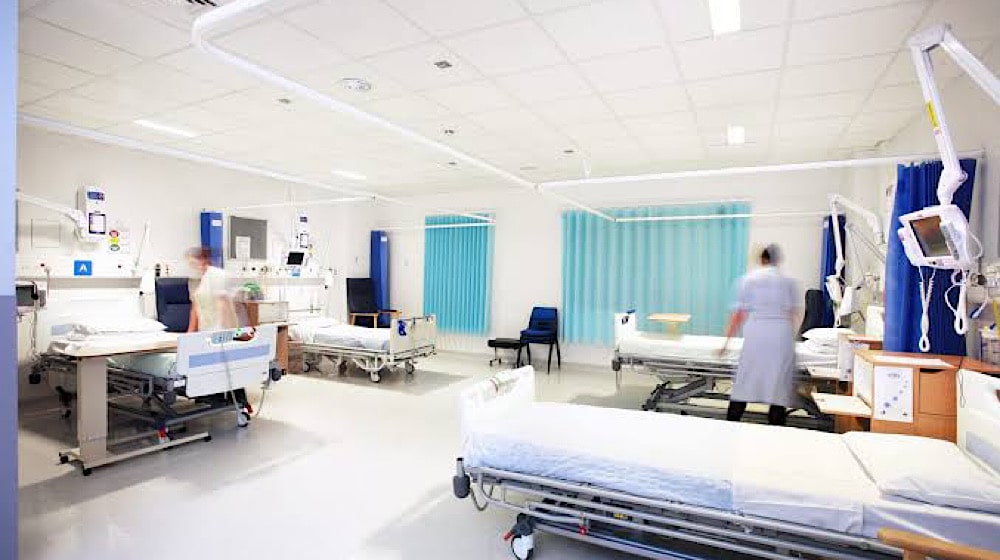
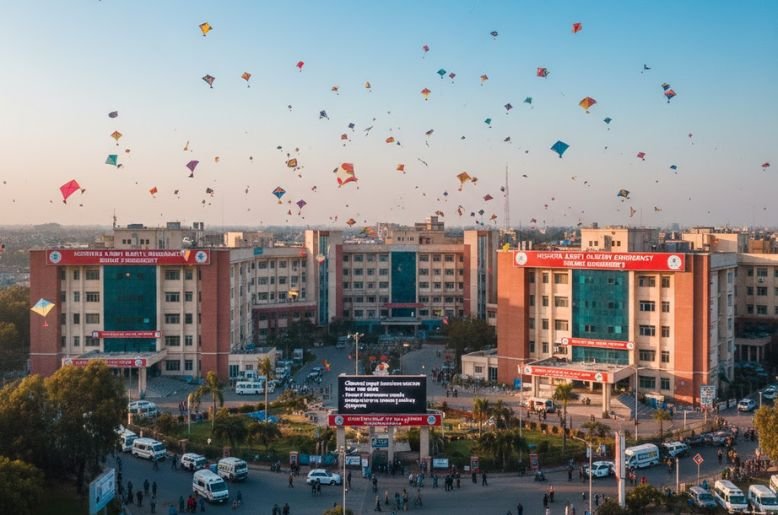
In a strategic move to preemptively bolster public safety, the Punjab Health Department has initiated a comprehensive Lahore hospital alert, placing 13 government medical facilities on high readiness from February 6 to 8. This calibrated directive ensures optimal response capabilities during the Basant festival, safeguarding citizen well-being through meticulous resource allocation and operational vigilance. This immediate action aims to mitigate potential risks and maintain systemic efficiency.
The Translation: Deconstructing Operational Readiness
This directive is not merely a procedural announcement; it represents a structural enhancement of Lahore’s emergency medical framework. Specifically, hospitals are mandated to ensure absolute availability of essential medical, nursing, and paramedical personnel. Furthermore, a full complement of medicines, intravenous drips, vaccines, and surgical equipment must be readily accessible. Proactively, blood banks are preparing crucial supplies, alongside verified lists of voluntary blood donors, establishing a robust support matrix. Designated beds are also allocated for festival-related emergencies, streamlining patient flow.
Critical diagnostic infrastructure, including X-ray, ultrasound, CT scan, and MRI machines, will operate at peak efficiency. Moreover, uninterrupted mobile and landline connectivity is a baseline requirement, ensuring rapid communication channels. Hospital administrations are currently submitting detailed preparedness blueprints, establishing a transparent accountability loop with the Punjab Health Department. This operational precision aims to provide immediate medical support and uphold public safety standards.
The Socio-Economic Impact: Calibrating Citizen Assurance
This proactive Lahore hospital alert directly influences the daily lives of Pakistani citizens, particularly those in urban and rural areas contemplating Basant celebrations. For students and professionals, this translates into a heightened sense of security, knowing that critical medical infrastructure is robustly prepared for unforeseen incidents. Households can engage in festivities with greater confidence, understanding that rapid emergency response is a guaranteed baseline. Moreover, this preparedness minimizes potential strain on individual families, as the healthcare system is fortified to absorb increased demand. Consequently, it reinforces trust in public health services, underscoring the government’s commitment to citizen welfare beyond routine operations.
The Forward Path: A Stabilization Move
This measured response by the Punjab Health Department is undeniably a Stabilization Move. While it does not represent a transformative shift in healthcare policy, it is a critical reinforcement of existing protocols, optimizing system efficiency under anticipated stress conditions. The strategic allocation of resources and the insistence on detailed preparedness plans demonstrate a disciplined approach to public health management. This ensures that while cultural festivities proceed, the foundational medical safety nets are not only present but are also calibrated for peak performance. It establishes a robust precedent for future large-scale public gatherings, focusing on preventative operational excellence.









