
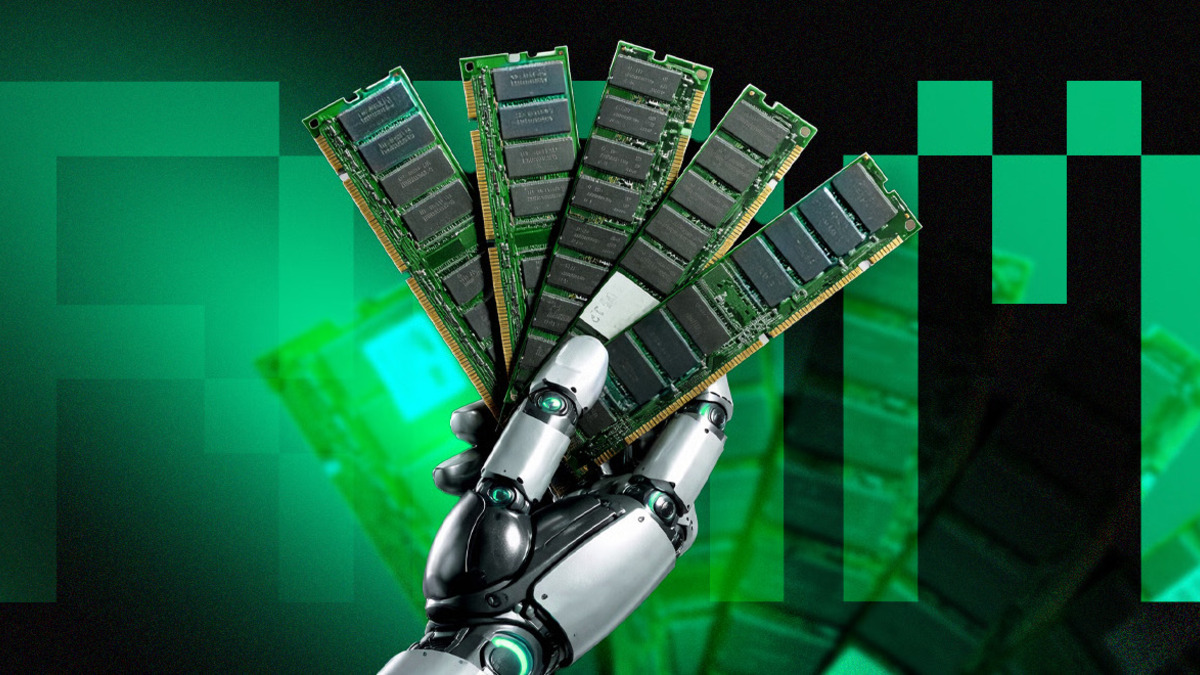
The global semiconductor landscape faces a structural bottleneck as the entire 2027 RAM supply has reportedly reached full allocation years ahead of production. Industry leaders Samsung, SK Hynix, and Micron have calibrated their output to meet massive pre-orders from AI conglomerates, leaving traditional hardware sectors in a precarious position. Consequently, this early exhaustion of capacity suggests that the global memory shortage will persist, influencing pricing across the digital ecosystem through the end of the decade.
Strategic Allocation: Why the 2027 RAM Supply is Gone
Data indicates that AI-driven enterprises are securing the 2027 RAM supply through aggressive, long-term purchasing agreements. These strategic contracts allow major players to reserve high-bandwidth memory (HBM) and conventional DRAM before the manufacturing process even commences. While this guarantees stability for AI infrastructure, it creates a precision deficit for the consumer market.
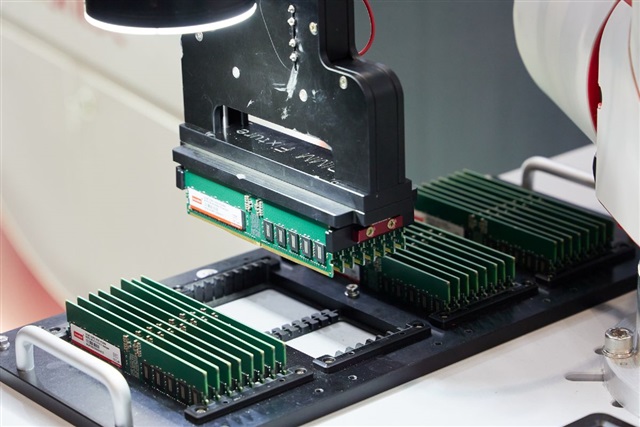
Unless manufacturers initiate a significant expansion of production facilities, components will remain expensive and scarce. Furthermore, the pressure extends to NAND flash memory used in SSDs. Although more manufacturers produce NAND, prices for consumer drives, such as the Western Digital SN7100, have already surged from a baseline of $110 to nearly $189 for 1TB units.
The Displacement of Consumer Computing
The impact of the tightening 2027 RAM supply is already visible in the gaming and console sectors. Microsoft recently adjusted Xbox Series pricing after reporting that memory and storage component costs escalated by 250%. Similarly, Valve’s Steam Machine launched at a calibrated price point of $1,049—significantly higher than the initial $750 projection—due to these rising material overheads.
The Translation
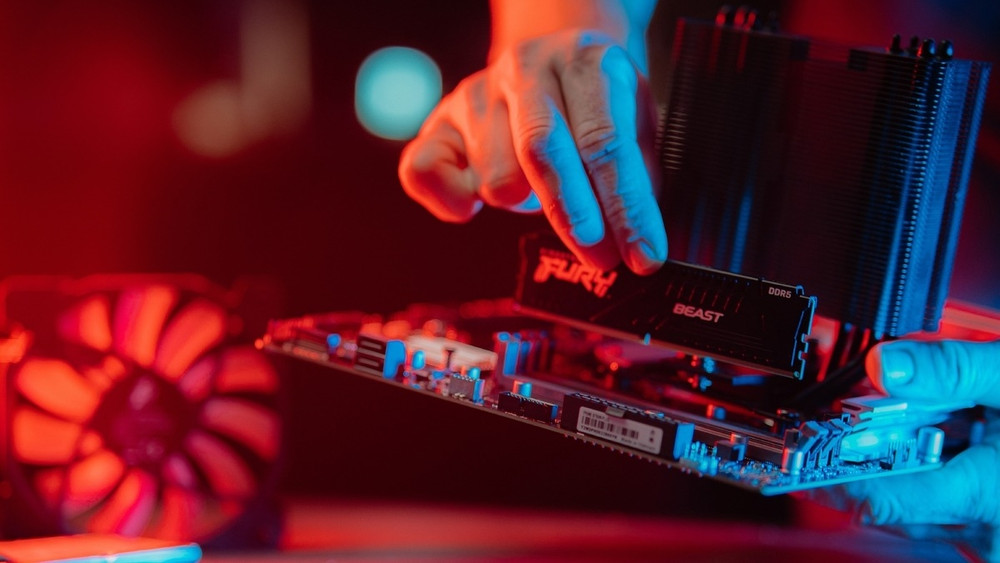
In technical terms, the “sell-out” represents a shift from “Just-in-Time” manufacturing to “Secure-at-All-Costs” procurement by AI giants. High-Bandwidth Memory (HBM) is the catalyst here; it is essential for the processors that run AI models. Because HBM and standard PC RAM (DRAM) often share the same production lines, the surge in AI demand physically displaces the memory needed for everyday laptops and smartphones.
The Socio-Economic Impact
For the average Pakistani citizen, this development translates to a direct increase in the cost of digital literacy and professional tools. Students and freelancers in urban centers like Lahore and Karachi will likely face higher barriers to entry as entry-level laptop prices climb. Moreover, as the IT sector remains a pillar of Pakistan’s economic growth, the rising cost of hardware infrastructure could slow down the operational scaling of local startups and software houses.
The Forward Path
This development represents a Momentum Shift in the global supply chain. We are moving toward a tiered hardware market where industrial AI requirements dictate the baseline cost of consumer electronics. To maintain progress, Pakistan must focus on optimizing existing hardware life-cycles and potentially exploring sovereign strategic reserves for critical IT infrastructure to buffer against these global price shocks.








