
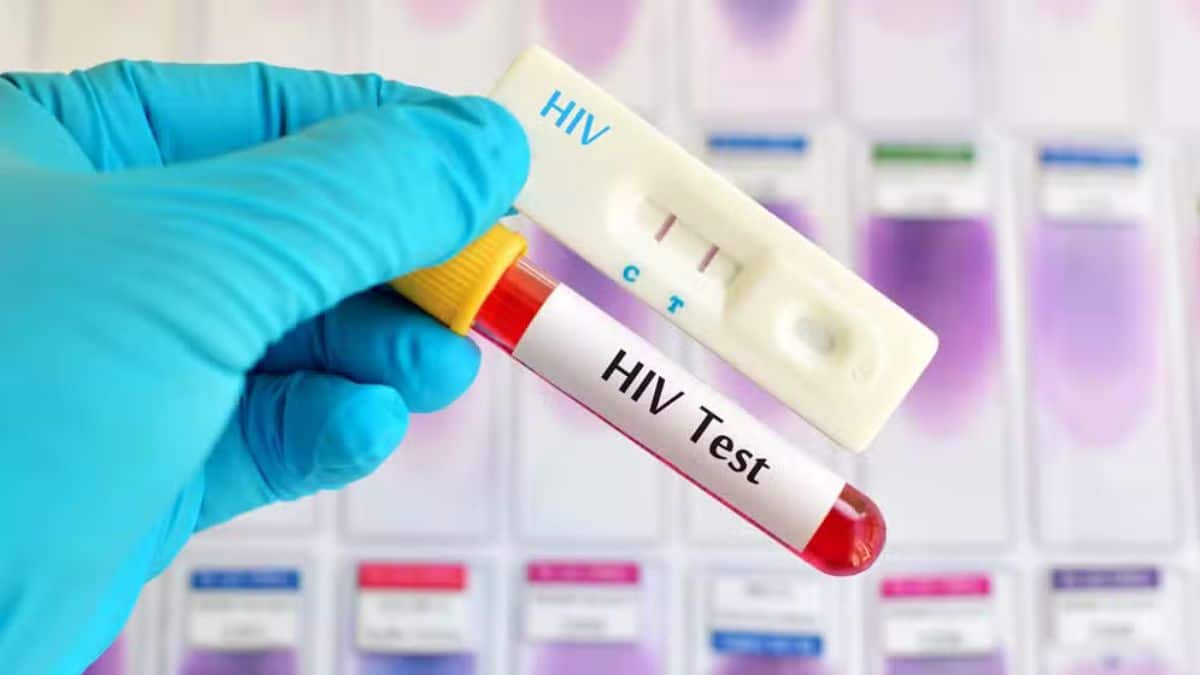
Pakistan’s public health infrastructure faces a critical baseline shift as official records confirm that more than 25,000 individuals have succumbed to illnesses related to HIV in Pakistan since the first case emerged in 1987. This figure represents a significant diagnostic challenge, as health officials acknowledge that weak reporting systems and social stigma likely obscure the true scale of the epidemic. Currently, only 62,000 of the estimated 370,000 people living with the virus are accessing necessary antiretroviral treatment, leaving a vast majority without medical intervention.
Analyzing the Geographic Distribution of HIV in Pakistan
The data reveals a concentrated impact across various provinces, demanding a calibrated regional response. Punjab serves as the epicenter of this crisis, accounting for over 15,000 fatalities. This heavy toll underscores the urgent need for structural healthcare reforms in the country’s most populous region. Consequently, the provincial authorities must prioritize precision-driven surveillance to mitigate further loss.
- Sindh: 6,373 deaths, with a high concentration of pediatric cases.
- Khyber Pakhtunkhwa: 1,950 recorded fatalities.
- Islamabad Capital Territory: 1,132 deaths registered.
- Balochistan: 656 fatalities within the reporting period.
Sindh presents a particularly alarming trend in pediatric health. Hundreds of children have contracted the virus through unsafe medical practices, including reused syringes and unregulated blood transfusions. Outbreaks in Ratodero and Karachi act as a catalyst for renewed calls to regulate the informal healthcare sector.
The Translation (Clear Context)
While HIV is a manageable chronic condition in many parts of the world, the logic behind Pakistan’s high fatality rate lies in “systemic leakages.” These leakages include late diagnosis, treatment interruptions, and a lack of regulatory oversight in private clinics. When we speak of 25,000 deaths, we are looking at a failure of healthcare precision—specifically in the domains of infection control and mandatory blood screening.
The Socio-Economic Impact
How does this crisis change the daily life of a Pakistani citizen? For the average household, it introduces a layer of medical insecurity. Families in rural and urban areas alike face the risk of “iatrogenic” transmission—getting sick from the very providers meant to heal them. Economically, the loss of 25,000 citizens, many in their most productive years, drains the national human capital. For students and professionals, this necessitates a culture of high-vigilance regarding medical safety and hygiene standards.
The Forward Path (Opinion)
This development represents a Momentum Shift toward a national health emergency. To stabilize the system, the government must move beyond passive reporting. We recommend a strategic enforcement of safe injection practices and the mandatory regulation of informal healthcare providers. Precision in blood screening and a catalyst for public awareness campaigns can transform HIV from a fatal stigma into a manageable public health metric. National advancement depends on the health of our human baseline.








