
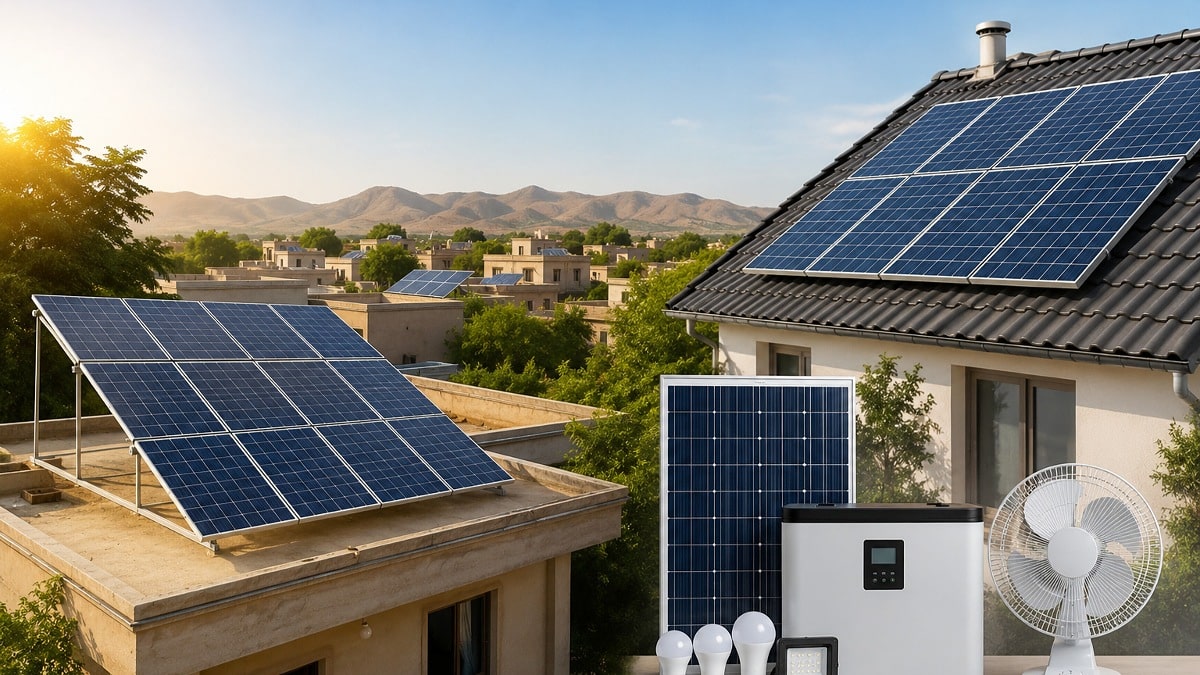
Pakistan’s energy landscape is undergoing a structural reconfiguration as citizens pivot toward solar battery storage to achieve true energy autonomy. Following recent calibrated adjustments to net billing rules, consumers are increasingly opting to store their surplus generation rather than exporting it back to an inefficient national grid. This transition represents a significant catalyst for decentralized power in the region.
Analyzing the Surge in Solar Battery Storage Adoption
The statistical baseline for this shift is staggering. According to the Pakistan Battery Import Market Report, the nation imported a combined storage capacity of 6.004 gigawatts between January 2024 and August 2026. Specifically, April 2026 served as a precision indicator of market demand, with imports peaking at 652.2 megawatts. During this single month, Pakistani households and businesses invested a calculated Rs. 126 billion in battery systems.

The Precision Logic of Declining Costs
A primary driver for this adoption is the strategic decline in Lithium Iron Phosphate (LFP) battery prices. Average battery pack prices fell from $151 per kilowatt hour in 2022 to approximately $70 per kilowatt hour by 2025. Consequently, the financial barrier to entry has diminished, allowing a broader demographic to bypass the 18 percent transmission losses inherent in the national distribution system.
The Translation (Clear Context)
Previously, solar owners sold their excess electricity back to the grid through “net billing.” However, recent policy changes reduced the value of these exports. Resultantly, the economic logic shifted: it is now more cost-effective to “hoard” your own electricity in a solar battery storage unit for nighttime use than to sell it cheap and buy it back expensive. This is not just a trend; it is a calculated response to shifting utility economics.

The Socio-Economic Impact
For the average Pakistani citizen, this development offers a shield against grid instability and rising tariffs. Students in urban centers can rely on uninterrupted power for digital learning, while rural households gain a baseline of security previously unavailable. Economically, the massive private investment of Rs. 126 billion reduces the immediate load on the state to build new power plants, although it creates a new challenge for grid revenue sustainability.
The Forward Path (Opinion)
This development represents a definitive Momentum Shift. The government’s move to prepare a National Battery Framework confirms that the era of centralized energy dominance is fading. To maintain system efficiency, the state must now pivot from being a “sole provider” to a “grid manager.” This decentralization is the structural catalyst Pakistan needs to bridge the gap between its 39,000 MW capacity and its distribution inefficiencies.








