
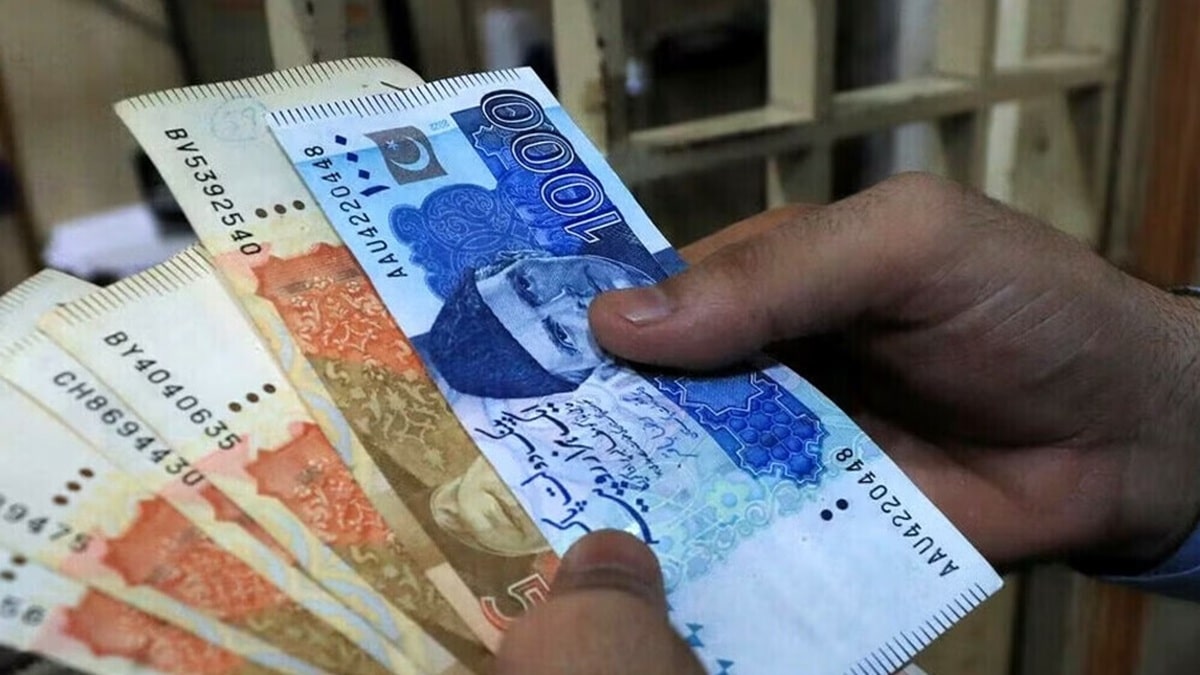
Pakistan’s Pakistan money supply witnessed a calibrated contraction of 6 percent during the opening weeks of fiscal year 2027. This structural shift, documented by the State Bank of Pakistan (SBP), signifies a strategic recalibration within the nation’s financial architecture. Specifically, the broad money supply (M2) decreased from Rs. 46.46 trillion in June to Rs. 43.57 trillion by late July, representing a precision cooling of liquidity.
The Structural Drivers of M2 Contraction
The decline in the Pakistan money supply stems from a synchronized reduction in both domestic and foreign banking assets. Consequently, net domestic assets fell as net budgetary borrowing decreased by 1 percent. Furthermore, heightened geopolitical uncertainty acted as a catalyst for a 4 percent contraction in private sector credit, as businesses adopted a defensive posture in an unpredictable global climate.
- Broad-based Lending Slowdown: Credit across private, public, and non-bank financial sectors declined.
- Prudent Federal Spending: Government borrowing from commercial banks fell 5.3% due to disciplined tax collection.
- SBP Direct Intervention: The government borrowed Rs. 1.7 trillion from the central bank to bridge immediate funding gaps.

The “Situation Room” Analysis
The Translation (Clear Context)
In “Next Gen” terms, the Pakistan money supply contraction indicates that the total volume of currency and liquid assets circulating in the economy is tightening. When M2 drops, it usually reflects a “mopping up” of excess liquidity. This reduction is primarily driven by the government spending more within its means and the private sector hesitating to take on new debt due to external regional risks. It is a transition from an expansionary phase to a targeted, disciplined fiscal baseline.
The Socio-Economic Impact
How does this impact the daily life of a Pakistani citizen? For the urban professional and rural small business owner, this tightening suggests that bank loans may become harder to secure in the short term. However, the reduction in money supply is a strategic move to stabilize the rupee’s value and curb long-term inflation. While immediate credit is scarce, the structural result is a more predictable cost of living for households across the nation.
The Forward Path (Opinion)
This development represents a Stabilization Move. While a 6% drop in the Pakistan money supply might appear alarming, the underlying data shows it is supported by “stronger-than-expected tax collection.” This indicates a shift toward fiscal maturity rather than a systemic crisis. If the expected Rs. 1.4 trillion dividend from the SBP materializes next month, the system will achieve a necessary equilibrium, setting a stable stage for mid-year growth.








