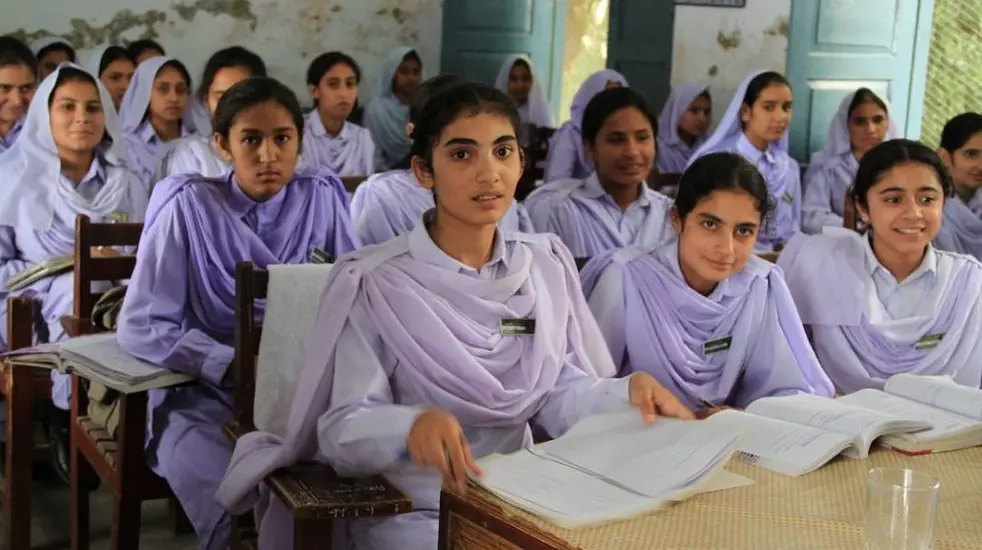
The federal government has initiated a strategic calibration of the nation’s technical training by introducing a unified TVET curriculum. Consequently, all federal institutions must now adopt standards approved by the National Vocational and Technical Training Commission (NAVTTC). This precision-driven move eliminates the fragmented educational landscape that previously hindered workforce scalability. By aligning curriculum with the NAVTTC Act of 2011, the state establishes a baseline for excellence in technical and vocational education.
Calibrating Quality: The Unified TVET Curriculum Framework
The Ministry of Science and Technology (MoST) recently issued directives to its affiliated organizations. These instructions mandate registration and curriculum alignment with NAVTTC protocols. Furthermore, premier institutions such as NUST, COMSATS, and NUTECH are now integrating these national standards into their frameworks. A specialized Curriculum Experts Committee conducted the primary review, ensuring all trade curricula meet National Occupational Skills Standards.

The Translation: Breaking Down the Silos
This directive shifts Pakistan’s educational infrastructure from institutional silos toward a singular, national standard. Previously, technical colleges operated under varying frameworks, leading to inconsistent graduate quality. The new structural mandate forces a synchronization of trade and technology curricula across the board. Consequently, every graduate from a federal institution will possess a certification that carries equal weight and merit across the industrial landscape.

The Socio-Economic Impact: Empowering the Pakistani Worker
Standardization serves as a catalyst for upward economic mobility for the average citizen. For a Pakistani student, it means their technical skills are now globally recognizable and locally validated. Furthermore, employers no longer need to navigate the uncertainty of varied degree qualities. This efficiency reduces recruitment friction and ensures that households in both urban and rural areas can access a reliable path to high-skilled employment.
The Forward Path: A Momentum Shift
This development represents a significant Momentum Shift for Pakistan’s industrial sector. We are moving from a chaotic educational landscape toward a streamlined engine of growth. By integrating modern occupational skills into a singular framework, the state is building the structural infrastructure required for a competitive 21st-century workforce. Consequently, the precision of our labor force will finally match the rigorous demands of global industry.